A single year can shatter decades of assumption. It can give a face to a ghost species, freeze a moment of profound human tragedy in time, and preserve a brain as glittering glass for two millennia.
2025 was not just a good year for archaeology. It was a revolutionary one. Across continents, from the ash-preserved ruins of Roman towns to windswept plains in China, discoveries emerged that did more than add to history.
They fundamentally altered it. They forced us to see our ancient kin not as abstract concepts, but as complex, feeling beings. Join us on a global tour of the year’s most stunning, poignant, and mind-blowing finds.
Deep Dive: The Discoveries That Defined 2025
The Face of a Ghost: The Denisovan Skull
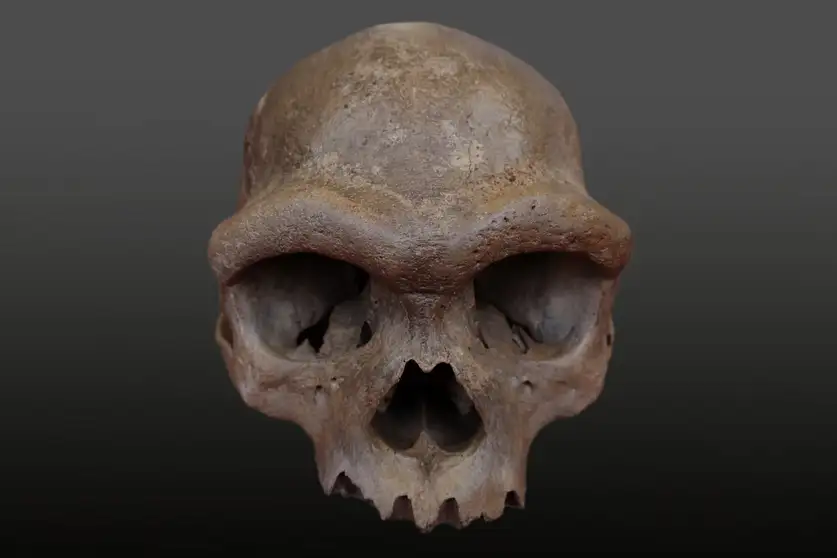
For 15 years, the Denisovans were genetics’ greatest ghost. We knew them only by the DNA they left in our own genomes and in a few fragmented bones. In 2025, the ghost gained a face.
A 146,000-year-old skull from China, embedded with Denisovan DNA, was revealed. The reconstruction was startling. It showed a mosaic face with surprisingly modern features alongside a robust, heavy brow.
This was no brutish “caveman.” This was the visage of a sophisticated sister species to the Neanderthals. A people whose legacy lives on in the high-altitude adaptations of modern Tibetans.
The discovery ended a long-standing mystery. It began a new era of understanding human diversity in the ancient world.
The Eternal Embrace: An Anglo-Saxon Tragedy
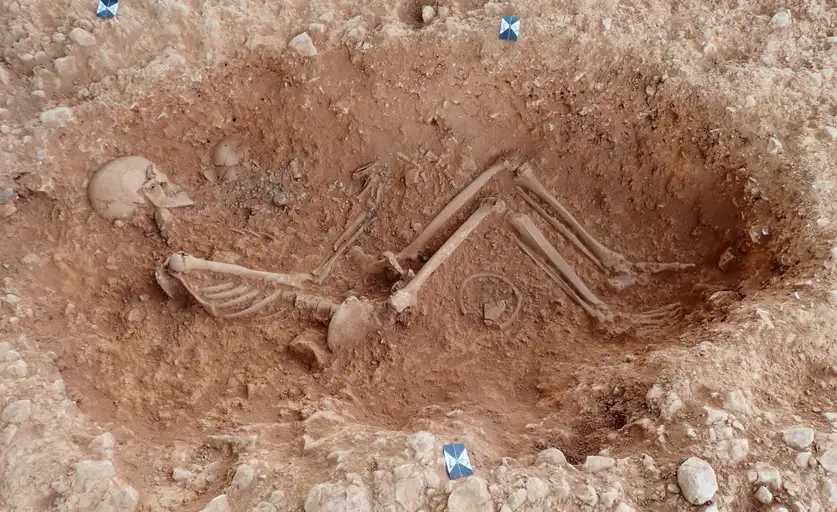
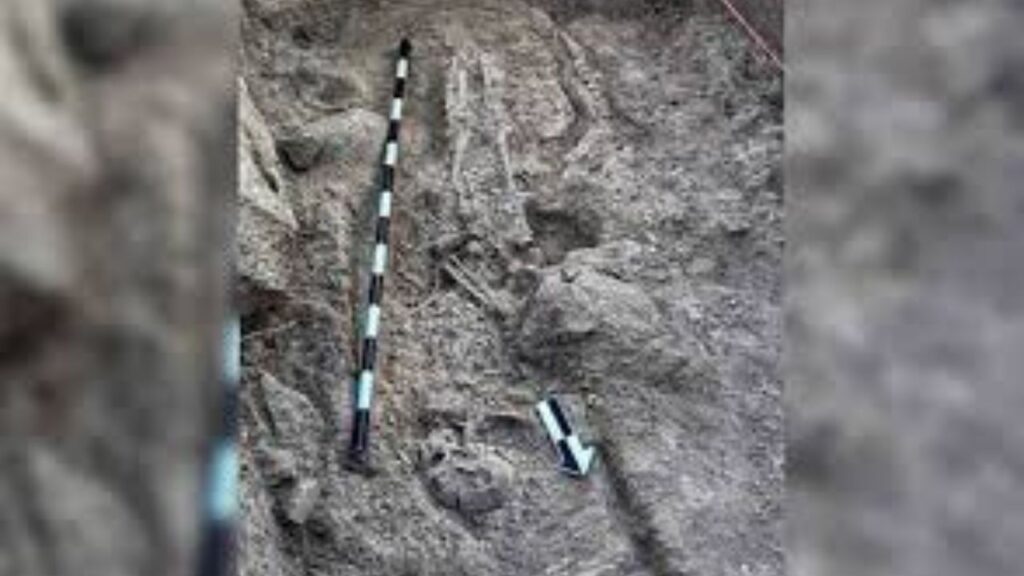
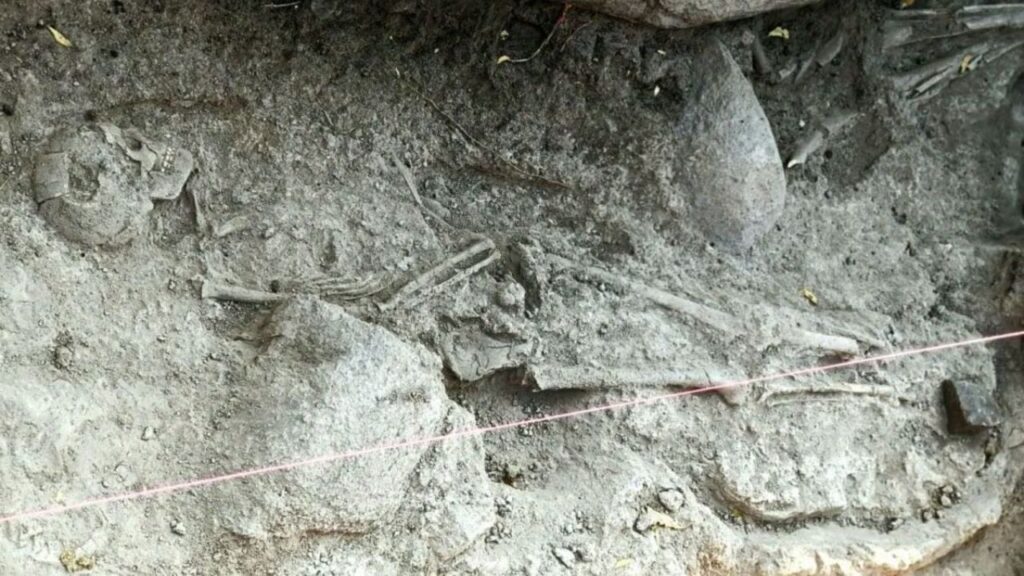
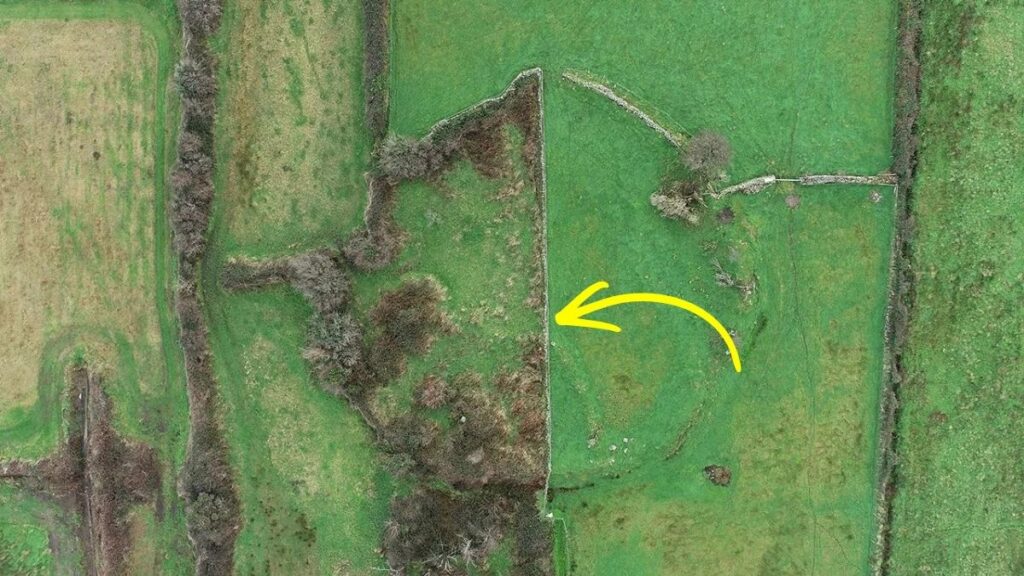
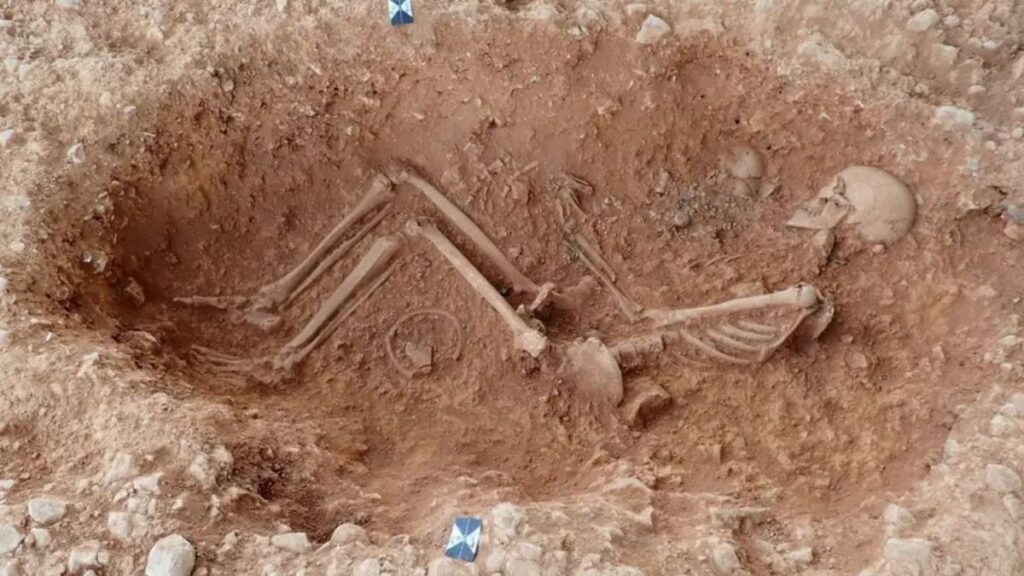
At the Scremby cemetery in the UK, soil was brushed away to reveal one of archaeology’s most heartbreaking scenes. A woman, buried in the 5th or 6th century, lay cradling an infant in her arms.
Her rich grave goods spoke of status. The intimate, protective posture spoke of a profound, personal loss—likely during childbirth. This frozen moment transcends time.
It forces a visceral connection across 1,500 years. Researchers are now pioneering methods to detect pregnancy hormones in ancient bone. This mother and child may help science identify similar, silent tragedies.
Their story is no longer a statistic. It is an achingly human snapshot.
The Ice Age Toolkit: A Hunter’s Last Kit
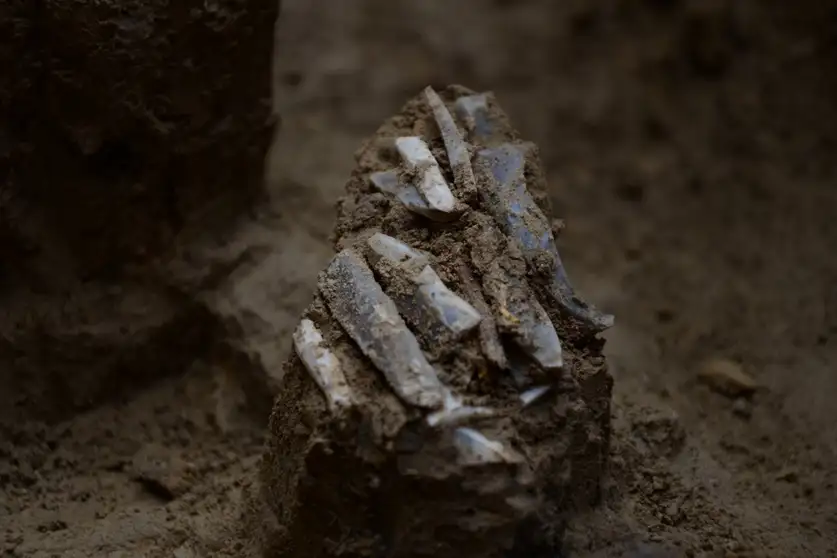
In the Czech Republic, archaeologists found a lump of earth that seemed unremarkable. Analysis revealed it was a collapsed leather bag—a prehistoric survival kit from 30,000 years ago.
Inside was a curated set of stone tools: spear points, blades, scrapers. Each showed heavy use, resharpening, and recycling. This was not a cache of new gear. It was a well-worn companion.
It belonged to a Gravettian hunter, likely on a long-range expedition far from fresh resources. The kit’s intentional discard suggests a planned renewal. It offers an unprecedented look at Ice Age logistics.
This is the Paleolithic equivalent of a soldier’s well-mainished rifle. A testament to skill, foresight, and survival in a harsh world.
The Smoking Mummies: A 9,000-Year-Old Tradition
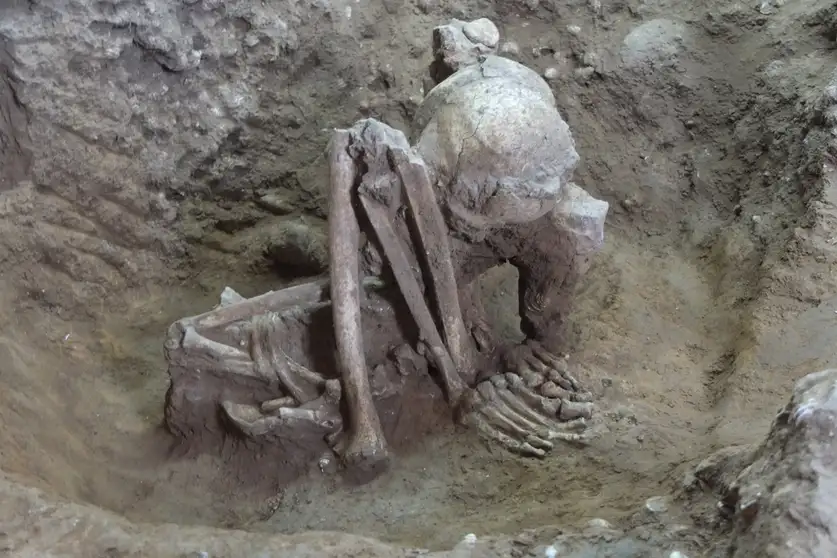
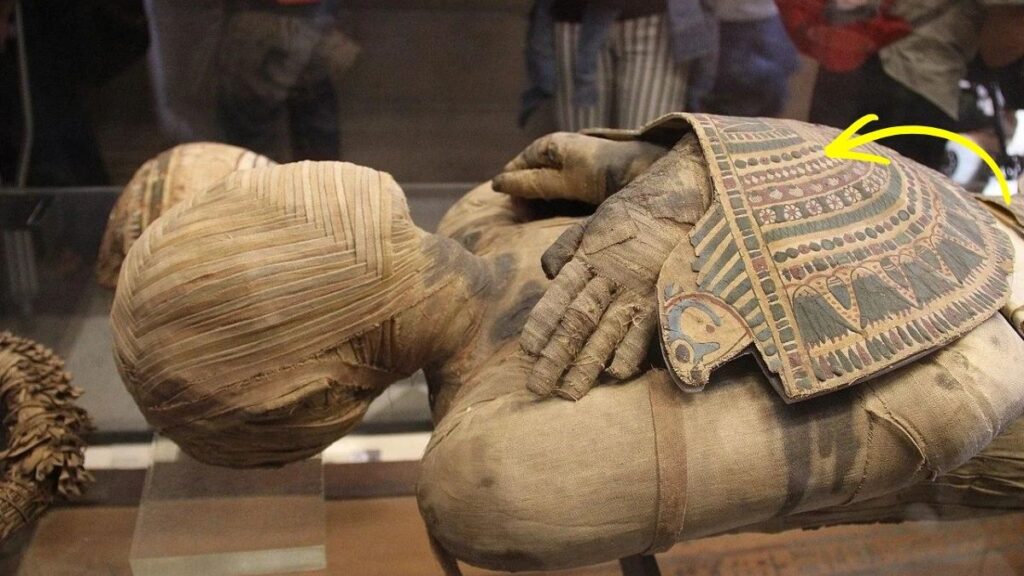
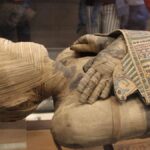
In southern China, a 9,000-year-old burial held a shock. The skeleton was found in a tightly flexed position, with evidence of deliberate mummification through slow smoking.
This practice, known from modern-day Indonesia, was far older and more widespread than imagined. It suggests a vast, ancient cultural tradition across Southeast Asia.
Families would have tended to their dead for weeks or months, preserving them for display or transport. This find rewrites the history of mortuary science. It shows a deep, spiritual desire to keep the departed present.
It was an act of love and memory, frozen in time for millennia.
The Glass Brain: Vesuvius’s Bizarre Preservation
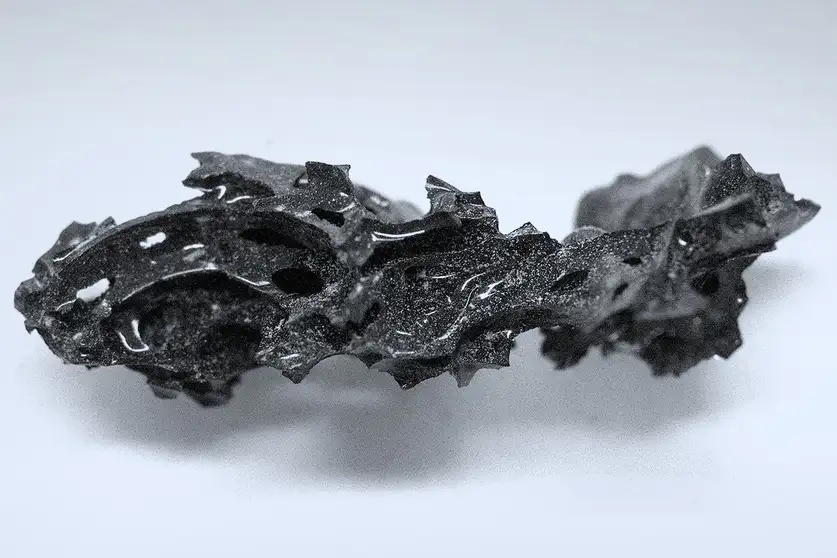
The eruption of Vesuvius in 79 AD is famous for its casts of the dead. In 2025, it yielded something even stranger from Herculaneum: a human brain turned to glittering, black glass.
A victim was hit by a pyroclastic surge of extreme heat, estimated at 500°C. His brain vitrified—instantly transforming into a glassy substance—while the soft tissue around it vaporized.
Under the microscope, the structure is phenomenally preserved. Intricate networks of neurons and axons are visible. This is not just a unique preservation event.
It is a tragic, yet spectacular, window into the very fabric of a Roman citizen’s mind, captured in a single, catastrophic second.
The Tattooed Hand: Art and Controversy
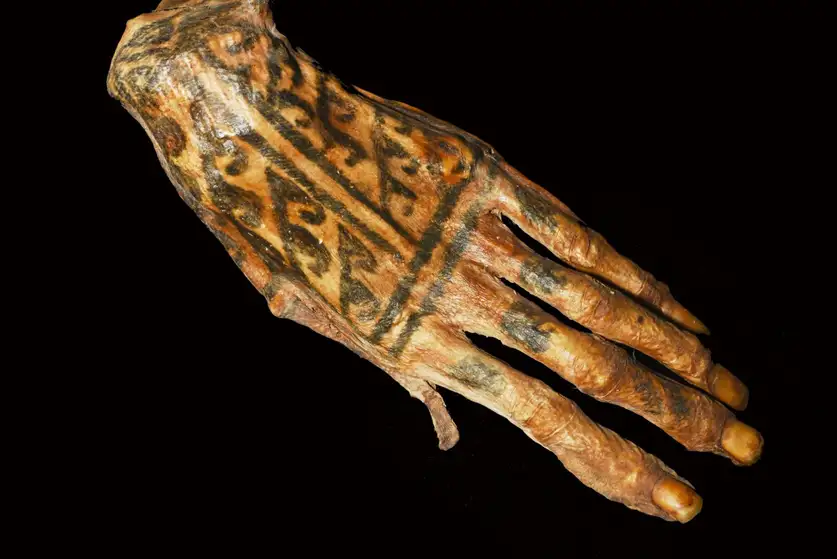
A 1,200-year-old mummified hand from the Chancay culture of Peru resurfaced in the news. Its intricate, dark blue tattoos are masterpieces of pre-Columbian art.
A 2025 study applied advanced imaging, claiming to reveal new, unseen details. This sparked immediate debate. Other experts argued the “new” details were already documented by Peruvian scholars.
The controversy highlights a vital, ongoing issue in global archaeology. It underscores the tension between new technologies and the deep, often overlooked, expertise of local researchers.
The hand remains a stunning artifact. The debate around it is a reminder that discovery includes respecting established knowledge.
What This Means for History
2025 taught us that the past is not a static tableau. It is a dynamic story, constantly refined with each new fragment unearthed.
These discoveries connect us on a profoundly human level. We see a mother’s love, a hunter’s preparation, a culture’s reverence for ancestors, and the sudden, shocking end of a life in Pompeii’s shadow.
They blur the line between “them” and “us.” The Denisovan gains a familiar face. The Anglo-Saxon woman’s grief is universally understood.
This is the true power of archaeology. It doesn’t just fill museums. It fills in the emotional and biological landscape of the human journey. 2025 was a landmark year for peering into that deep, shared mirror.
In-Depth FAQs
1. Why is the Denisovan skull discovery so significant?
Before 2025, Denisovans were a genetic fingerprint without a clear physical identity. The skull provides the first comprehensive look at their cranial anatomy. It allows scientists to reinterpret other fossil fragments and understand how traits were shared or diverged among ancient human species.
2. How can researchers detect pregnancy in ancient skeletons?
Pioneering biomolecular techniques are being used. Researchers can now look for specific hormonal biomarkers, like placental lactogen, that can become incorporated into dental enamel or bone during pregnancy. The Anglo-Saxon burial provides a potential “positive control” for developing these sensitive methods.
3. What does the “glass brain” actually tell us?
Beyond its phenomenal preservation, it provides a unique biological snapshot. Scientists can study the microstructure of a 2,000-year-old nervous system. It also offers precise data on the thermal dynamics of the Vesuvius eruption, as vitrification requires very specific, extreme conditions.
4. What is the broader importance of the 9,000-year-old Chinese mummy?
It pushes back the evidence for sophisticated mummification practices by thousands of years and far north of where it was previously documented. This suggests complex ritual practices and potentially shared cultural beliefs across a vast region of Asia much earlier than believed.
5. Why is there controversy over the tattooed hand study?
The controversy centers on academic credit and methodology. Critics argue the 2025 study used flashy new technology but failed to properly cite decades of prior work by local archaeologists who first documented the tattoos. It raises important questions about ethics, collaboration, and recognizing the stewardship of source communities.