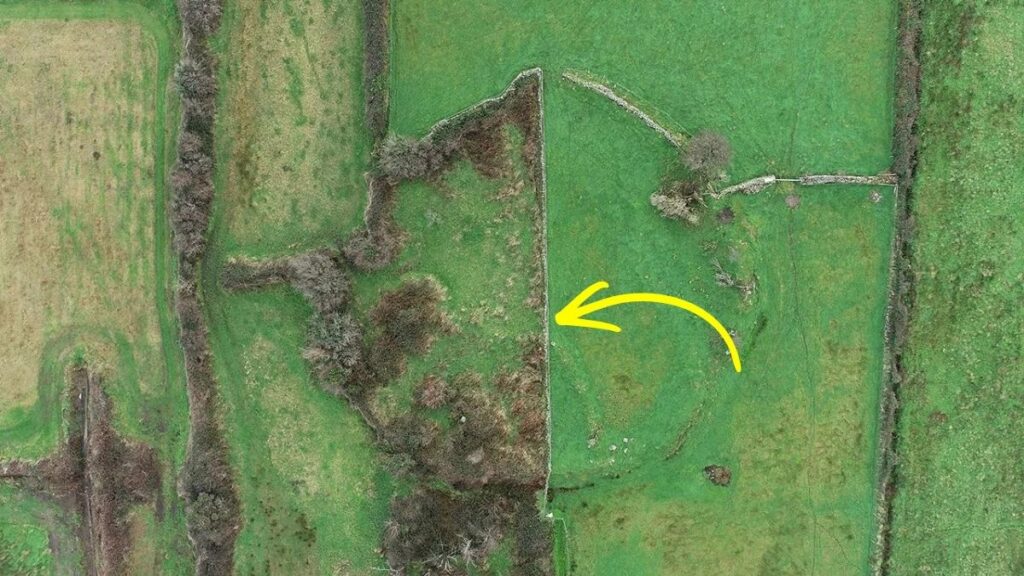
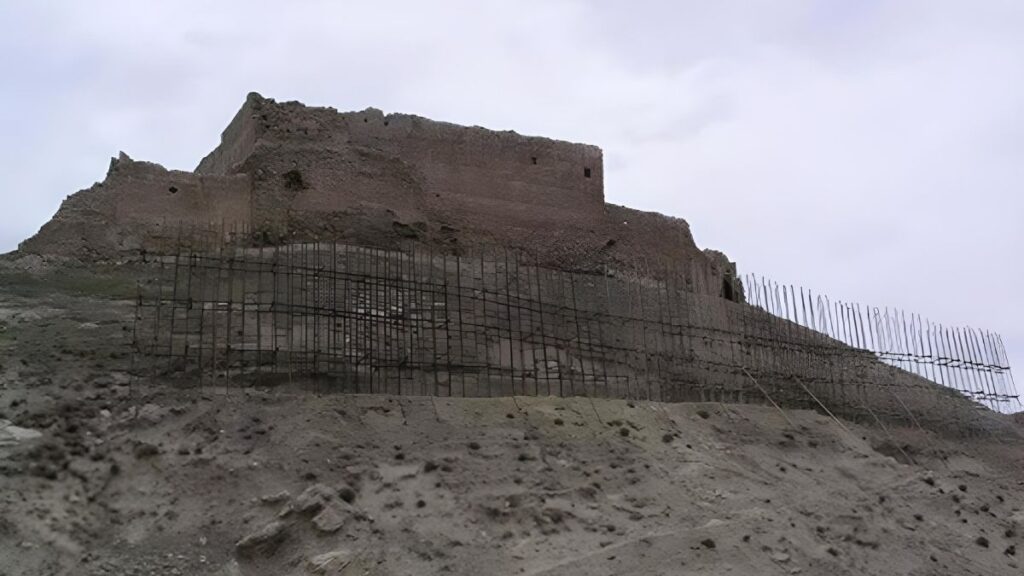
A solitary mound rises from the plains of western Iran. For centuries, local farmers tilled its soil, unaware of the empires sleeping beneath their feet. This is Qaleh Goli—the “Castle of Goli.”
Now, the first trowels have struck earth. Archaeologists are peeling back layers of time here. Their goal is audacious: to resurrect a forgotten narrative of power, trade, and resilience that could force us to redraw the map of ancient Near Eastern influence.
This is not just another dig. It is a direct probe into the heart of the Elamite civilization. A rival and contemporary of Babylon and Assyria. The whispers from the ground suggest Qaleh Goli may hold keys to understanding a superpower lost to history.
The Astonishing Find – More Than Just a Hill
Qaleh Goli is no accidental pile of earth. It is a tepe—an artificial mound built by generations of human settlement. Each layer is a chapter in a millennia-old book.
The site’s national heritage listing in 2003 was a clue. But only now has a full archaeological investigation begun. The initial mission is methodical and critical. The team must decode the site’s stratigraphy.
This is the science of reading the soil. It will create a precise timeline of occupation. It will separate the prehistoric foundations from the glorious historic peaks and the later Islamic periods.
The potential is staggering. We are looking at a continuous story of human habitation. A story spanning possibly 5,000 years.
The Crown Jewels – Inscribed Bricks of a Lost Language
The first season of study is already fueled by a tantalizing prior discovery. It is the kind of find that makes archaeologists’ hearts race.
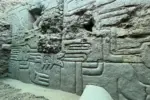
Inscribed bricks. Bearing the intricate, wedge-shaped markings of Elamite cuneiform script.
These are not mere artifacts. They are direct messages from the Middle Elamite period (c. 1500–1100 BCE). This era marked the zenith of Elamite power. Their capital, Susa, was a metropolis of immense wealth and influence.
Finding such bricks at Qaleh Goli, far from the known capital, is revolutionary. It suggests this was no remote outpost. This was a significant administrative or religious center. A place important enough to warrant royal inscriptions and monumental architecture.
What do the bricks say? Do they record the deeds of a king? The dedication of a temple to a forgotten god? Each translated wedge could shatter our assumptions.
The Global Implications – Rethinking the Ancient World Map
The excavation at Qaleh Goli promises mind-blowing implications far beyond Iran’s borders. The Elamites were a linchpin of the ancient world.
They controlled vital trade routes between Mesopotamia, the Iranian plateau, and the Indus Valley. Their culture was a unique fusion of Mesopotamian and indigenous Iranian traditions.
Understanding Qaleh Goli means understanding a key node in this global network. What commodities flowed through here? Lapis lazuli from Afghanistan? Tin from Central Asia? The site could reveal the economic engine of an empire.
Furthermore, the Elamites were the formidable rivals of Babylon and Assyria. They sacked Babylonian cities and battled Assyrian kings. This mound may hold military secrets or records of conflicts that shaped the Old Testament world.
It offers a rare, non-Mesopotamian perspective on the dawn of civilization. It is a view from the other side of the historical mirror.
The Whispered Theories – A Bridge Between Eras
The sheer timescale of Qaleh Goli invites bold theories. Evidence spans from prehistoric times through the Islamic period. This indicates a place of persistent strategic importance.
Could it have been a sanctuary that survived conquests? A sacred site whose significance transcended empires?
The presence of Islamic layers atop Elamite foundations is particularly captivating. It shows a thread of continuity. Did later inhabitants sense the ancient power of this place? Did they repurpose its stones and legends?
Some experts whisper about the possibility of finding a “ziggurat” or stepped temple. Elam was famous for them. Others hope for sealed archives of clay tablets. These could be the equivalent of a lost library, detailing law, trade, and myth.
Every theory hinges on the stratigraphy now being uncovered. The soil will have the final say.
What This Means for History: A New Chapter for an Old Empire
The spade work at Qaleh Goli is more than a regional study. It is a mission to rebalance history. For too long, Elam has lived in the shadow of its Mesopotamian neighbors, known mostly from the records of its enemies.
This excavation seeks to give the Elamites their own voice. To let them tell their story through their bricks, their bones, and their city plans.
It promises to transform Elam from a mysterious, shadowy empire into a fully realized civilization. One with its own heartland cities, provincial capitals, and far-reaching connections.
The secrets of Qaleh Goli could redefine our understanding of power, resilience, and cultural exchange in the ancient world. A forgotten capital of a forgotten empire is beginning to speak. We must listen.
5 In-Depth FAQs: Your Questions Answered
1. How was the Qaleh Goli site discovered and why start digging now?
Local knowledge of the mound’s antiquity has existed for generations, leading to its heritage listing in 2003. The current, formal archaeological study is driven by a new, proactive push by Iranian authorities to investigate key provincial sites. Advanced satellite imagery and ground surveys also likely highlighted its untouched potential, making it a priority for systematic research.
2. What exactly is “stratigraphy” and why is it the first goal?
Stratigraphy is the analysis of sequential soil layers. Each layer represents a distinct period of human activity. By meticulously documenting this “layer cake” of history, archaeologists can build an absolute chronology. They can tell if an Elamite temple was built on a prehistoric village, or if an Islamic town reused Bronze Age materials. It is the essential framework for all future interpretation.
3. The article mentions “Middle Elamite” period. What are the key dates and significance?
The Middle Elamite period (c. 1500–1100 BCE) was the empire’s classical age. This is when Elam projected major military and cultural power, most famously under kings like Untash-Napirisha (builder of the ziggurat at Chogha Zanbil). Finding evidence from this era at Qaleh Goli directly links it to Elam’s golden age, suggesting it was part of the core imperial infrastructure.
4. How could a site in Iran affect our understanding of global history?
The ancient Middle East was the world’s first “globalized” system. Elam was a critical hub. Discoveries here can illuminate:
Trade Networks: Revealing sources and routes for materials that fueled entire civilizations.
Diplomatic & Conflict History: Providing Elam’s side of wars and treaties known only from Babylonian or Assyrian records.
Cultural Diffusion: Showing how ideas in technology, writing, and religion moved between Mesopotamia, Iran, and beyond.
5. What are the biggest dangers or challenges facing this excavation?
Beyond typical logistical hurdles, key challenges include:
Site Preservation: Safeguarding fragile artifacts like unfired mudbrick and delicate cuneiform tablets as they are exposed.
Interpretive Complexity: Deciphering a site used for millennia, where one era’s rubble is another’s foundation.
Contextualization: Integrating Qaleh Goli’s findings with the broader, still-emerging picture of Elamite civilization, much of which remains unexcavated. The greatest challenge—and opportunity—is to piece together a coherent story from fragments silent for 3,000 years.