
Secret Beneath the Streets: 7,000-Year-Old Settlement Rewrites the History of Ancient Iran
What lies beneath your feet? For the modern residents of Dehdasht, Iran, the answer is now a revolutionary secret from the dawn of civilization. Archaeologists have peeled back the layers of time to reveal a stunning truth: beneath the mediaeval lanes and modern buildings lies a prehistoric settlement dating back an astonishing 7,000 years. This isn’t just a forgotten village. It is a missing chapter in the human story, silently waiting through millennia.
The First Cut: Unearthing a Lost Millennium
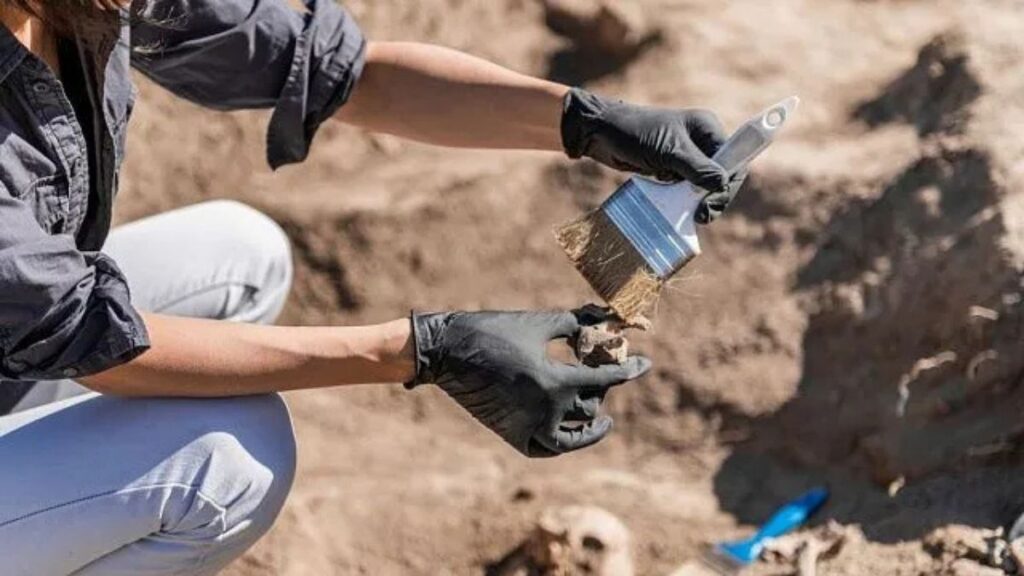
The historic city of Beladshapur, within Iran’s Dehdasht region, was always known for its later history. But no systematic archaeological work had ever pierced its soil. That changed when a team, led by archaeologist Zabihollah Masoudinia, began the first official excavation.
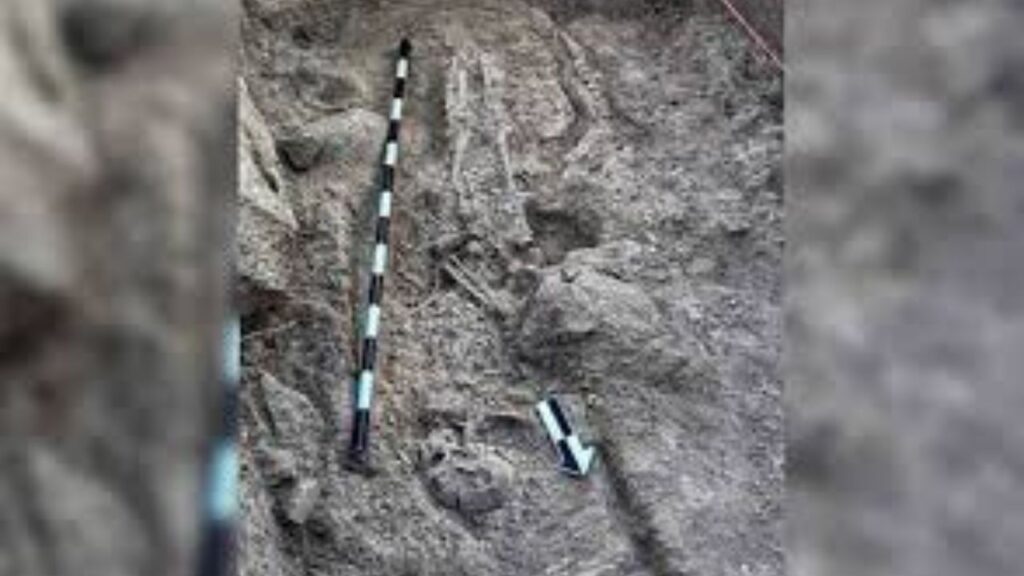
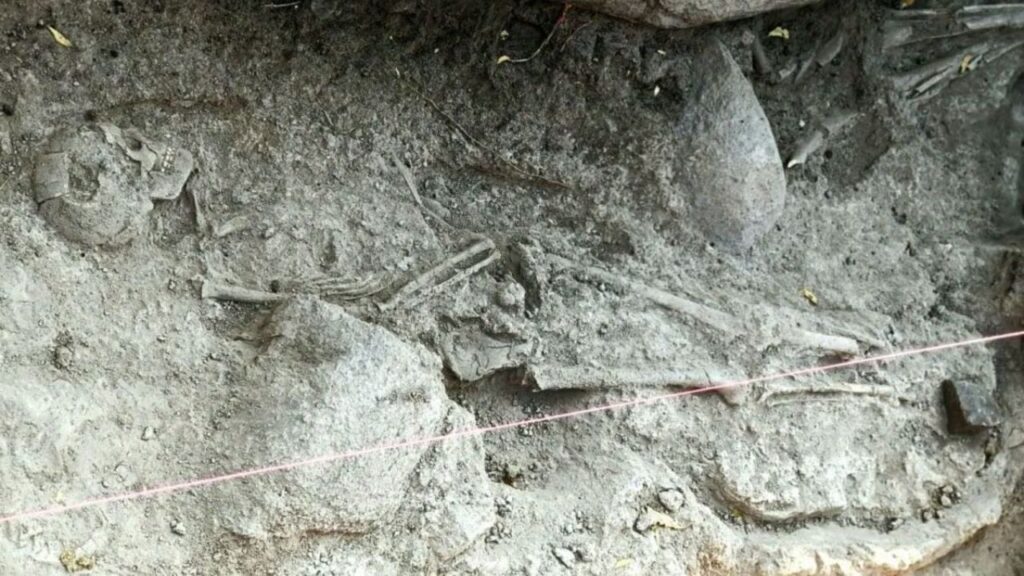
Their initial finds were expected: remnants from mediaeval and late Islamic periods. Then, their tools struck deeper. The soil changed. The artifacts grew older. Suddenly, they were not in the Middle Ages anymore. They had tunneled back to the 5th and 6th millennia B.C.—a leap into the profound depths of the Neolithic era.
This single discovery has transformed the region’s historical map. Dehdasht is no longer just a mediaeval hub. It is now one of the oldest continuously significant locations in the area, with a legacy stretching back to the very foundations of settled human life.
Artifacts of Dawn: Reading the Lives of the First Settlers
The soil of Beladshapur began to yield priceless treasures. Not gold or jewels, but the humble, profound objects of daily existence from a forgotten age.
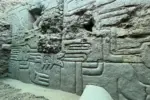
The team uncovered fragmented pottery from the Neolithic period. Each sherd is a data point. Its clay composition, temper, and decoration style will trace cultural connections across ancient Persia. These are the broken dishes of a society taking its first steps into permanence.
Then came a rare and intimate find: heated stones. Archaeologists believe these stones were used to warm liquids—water or perhaps milk—a simple yet mind-blowing glimpse into early domestic technology. Imagine a family group, 7,000 years ago, using fire-heated stones to warm a drink. This is not grand architecture; it is the heartbeat of prehistoric home life.
The Aerial Ghost: A Mound Lost to Time
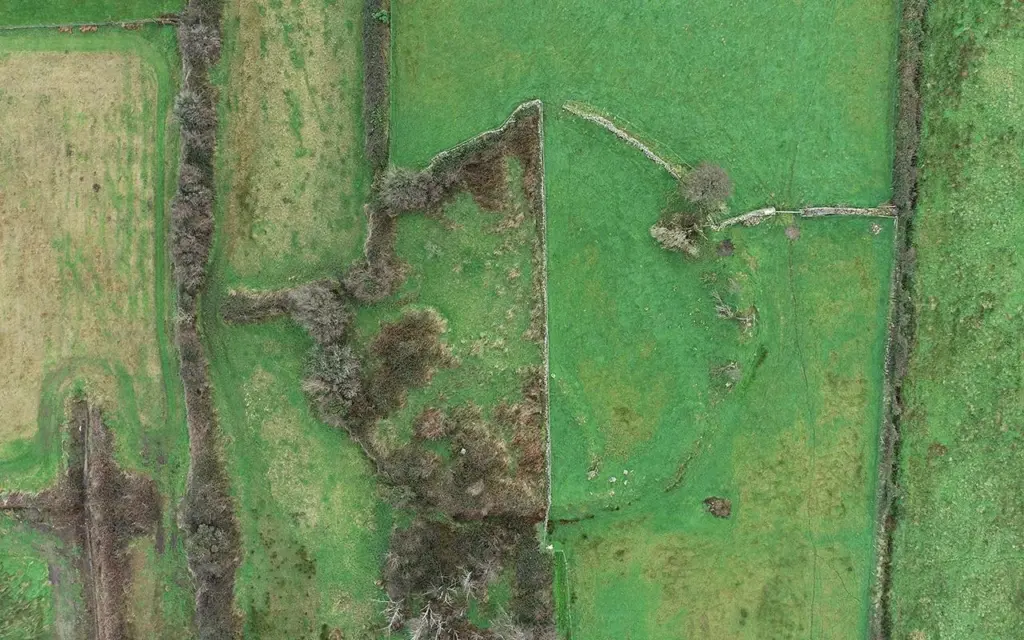
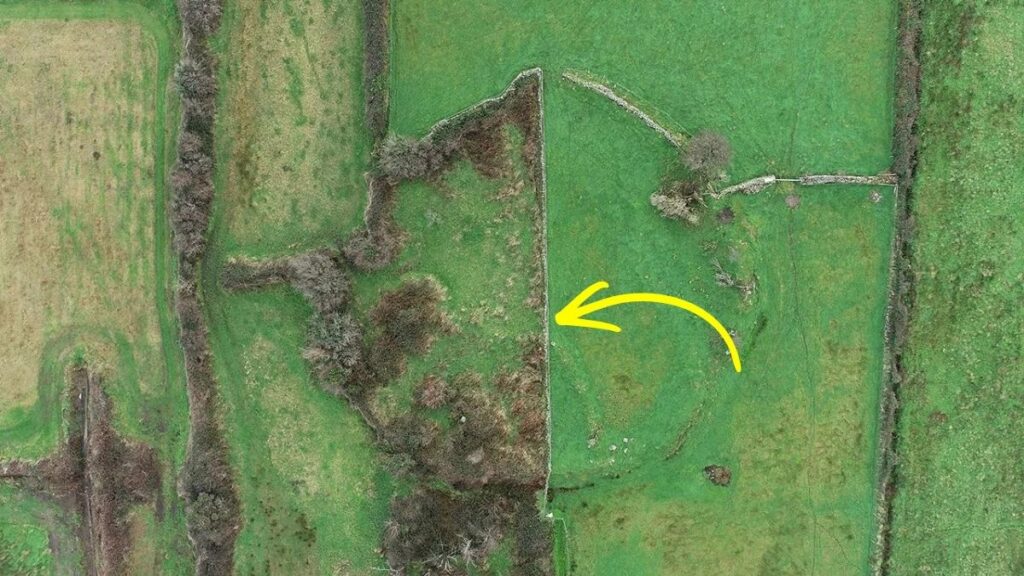
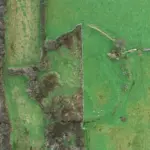
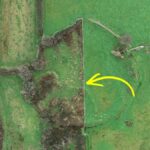
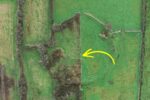
The discovery adds a layer of tragedy to its triumph. Aerial photographs from 1956 reveal a tell—a classic historic mound—standing proudly near the Dehdasht Caravanserai. This mound was the physical archive of millennia.
Much of it was later leveled by urban development. The modern city expanded, unaware of the ancient world it was entombing. This story is a global crisis in archaeology: the race against progress to read the earth before it is paved over.
Yet, the core of the settlement survived. The excavation proves that present-day streets and buildings directly overlay this ancient metropolis-in-miniature. The past is not just nearby. It is the literal foundation of the modern city.
Engineers of Antiquity: The Qanat Systems
Further north in Dehdasht, archaeologists made another critical discovery: remnants of **qanat** systems. These are not mere wells. They are sophisticated, gravity-fed underground canals that tap into aquifers at the base of mountains, channeling water across vast distances to arid settlements.

Finding qanat remnants in context with a 7,000-year-old settlement is potentially revolutionary. It suggests these early settlers were not just surviving. They were mastering their environment with ingenious early water management. This technology would become a hallmark of Persian civilization for thousands of years. Its roots may be far deeper than we knew.
Global Implications: Connecting Prehistoric Worlds
This Iranian discovery resonates powerfully with other recent, mind-blowing finds. Consider the 7,000-year-old stone wall just discovered off the coast of France. On opposite ends of the ancient world, societies were reaching similar milestones in social organization and environmental engineering at the same time.
In France, hunter-gatherers built monumental coastal defenses. In Iran, early farmers or pastoralists were creating permanent settlements with advanced hydrology. This was not an isolated “cradle” of civilization. This was a planet-wide awakening.
The Dehdasht settlement sits in a crucial corridor between the Mesopotamian plains and the Iranian plateau. It could have been a cultural and trade conduit. Every artifact found here will help map the spread of Neolithic ideas, technologies, and people across Asia.
What This Means for History: A Palimpsest of Humanity
The Beladshapur site is a historical palimpsest—a parchment written, erased, and written over again. It reveals a continuous chain of habitation: from Neolithic pioneers to mediaeval traders to modern citizens.
This continuity is its greatest lesson. Human history is not a series of disconnected eras. It is a continuous, layered story. Each generation builds, literally and figuratively, upon the foundations of the last, often without knowing what lies beneath.
The discovery forces a reevaluation of Iran’s prehistory. It highlights the northern regions of the Persian Gulf as hotspots of early development. It promises to clarify the transition from nomadic lifeways to settled, complex societies in a key part of the ancient world.
Finally, it is a urgent call for preservation. For every site saved and studied, a dozen are lost to plows, foundations, and neglect. The heated stones of Dehdasht have waited 7,000 years to tell their story. They remind us that our future cities are built atop the archives of our deepest past. We must learn to read the ground before we pave it over forever.
—
5 In-Depth FAQs
**1. How was this 7,000-year-old date determined?**
The dating is based on the stratigraphic layer in which the Neolithic artifacts were found and comparative analysis of the pottery styles. The pottery typology—its form, decoration, and manufacturing technique—is a primary dating method for the Neolithic period in the region. Future scientific methods like radiocarbon dating on organic remains can provide even more precise dates.
2. What is a “tell” or “mound,” and why is it important?
A tell (or mound) is an artificial hill formed by the accumulated debris and mudbrick ruins of centuries or millennia of human habitation. Each layer represents a distinct period. They are the most valuable and visible archives of ancient settlement in the Middle East. The 1956 photo confirmed Beladshapur was such a site before it was damaged.

3. What exactly are qanats, and why is their discovery significant here?
Qanats are gently sloping underground tunnels that bring water from an aquifer to the surface without need for pumps. They are a masterpiece of ancient engineering. Finding evidence of them this early suggests the settlers had advanced knowledge of hydrology and communal organization to build and maintain such systems, indicating a complex, coordinated society.
4. How does this discovery relate to other Neolithic sites like Çatalhöyük or Jericho?
While likely smaller than those famous “mega-sites,” Beladshapur represents the same global Neolithic phenomenon: the shift to settled life. Its importance lies in its specific location. It helps fill a geographic gap, showing how Neolithic technologies and lifestyles spread between the major heartlands of Mesopotamia and the Iranian highlands.
5. What are the next steps for this archaeological site?
The immediate steps are analysis and preservation. Artifacts like pottery and stones will be cleaned, studied, and compared. The team will work to define the exact boundaries of the ancient settlement. A critical long-term goal will be to negotiate with urban planners to protect any undisturbed portions of the site from future development, potentially creating an archaeological preserve beneath the modern city.