






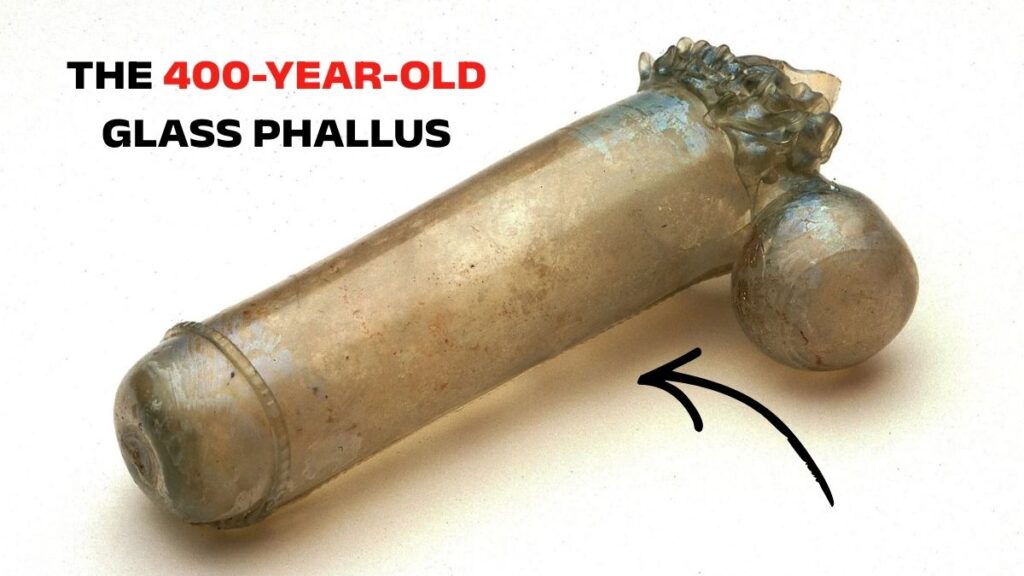
Imagine the scene: archaeologists sifting through the muck of a two-meter-deep latrine, the last place one expects a revelation. They are excavating a former noblewomen’s convent in the quiet German town of Herford. The finds are typical—pottery shards, animal bones, the detritus of daily life.
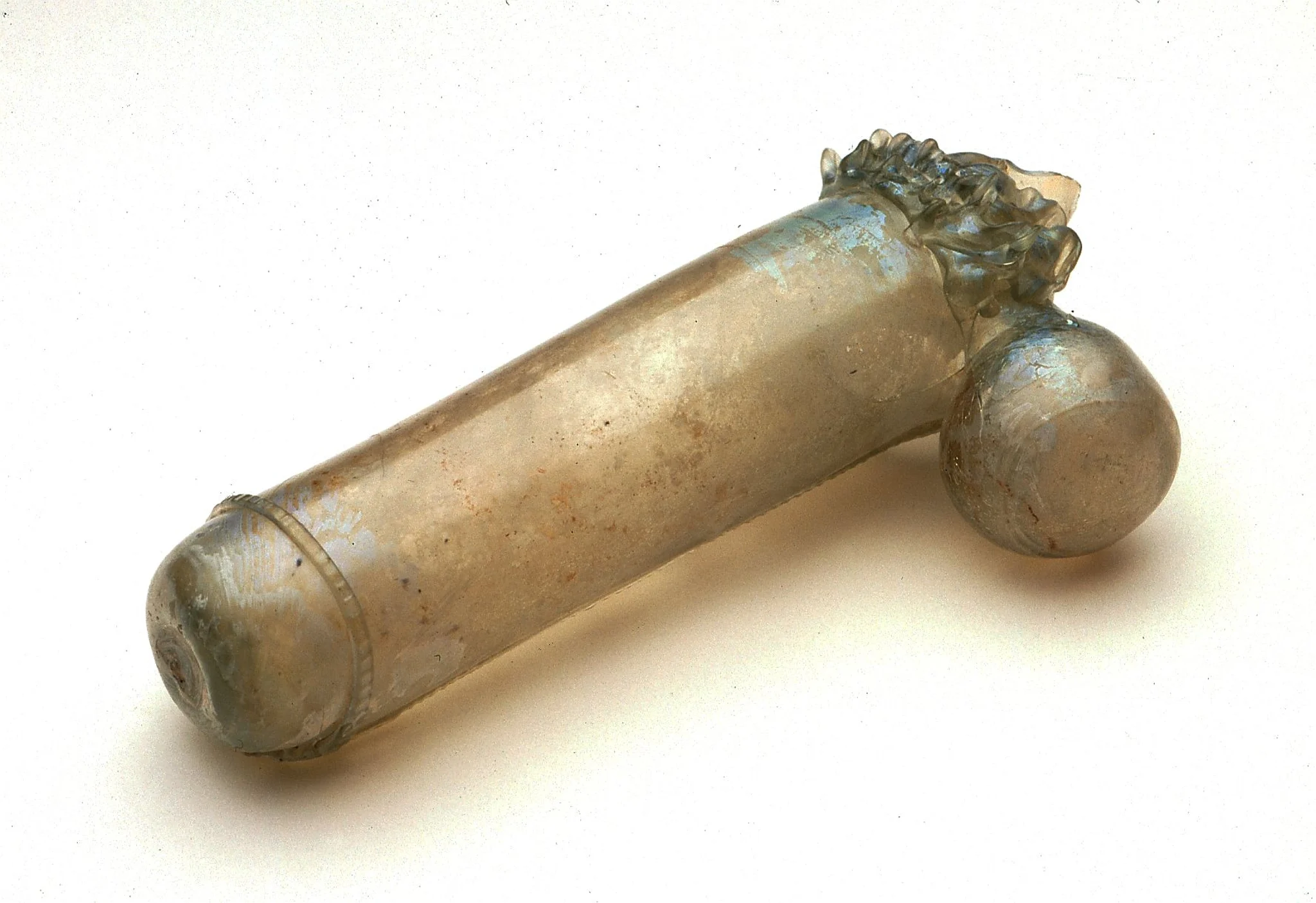
Then, their hands close around an object of exquisite, baffling craftsmanship. It is 20 centimeters of cool, greenish glass. Unmistakably phallic. Perfectly preserved. And utterly, profoundly out of place.
This is the “Glass Phallus of Herford,” a 400-year-old artifact that has ignited the imaginations of historians and the public alike. Far from a tale of hidden vice, this discovery is a master key. It unlocks a forgotten truth about the Renaissance world: that piety and playfulness, devotion and wit, could—and did—coexist behind the cloister’s high walls.
The Astonishing Find: A Deliberate Deposit
The context is crucial. This was no casual loss. The object was found in a latrine shaft directly connected to the living quarters of a Damenstift—a religious foundation for noblewomen. These were not nuns in a strictly cloistered, austere order. They were often daughters of aristocracy, living in a semi-courtly environment focused on education, music, and intellectual exchange.
The latrine itself is a significant clue. In early modern Europe, privies were not just waste disposal units; they were private spaces, sometimes used for the discreet disposal of sensitive or ritual objects. The deliberate placement of such a finely made glass item suggests it was not discarded in shame, but perhaps retired from use in a manner that ensured it would not be casually found.

Beyond Scandal: Reinterpreting the “Renaissance Mind”
The immediate, modern assumption might lean toward the scandalous. Yet, researchers firmly steer us away from anachronistic judgment. In the symbolic and often theatrical culture of the 16th and 17th centuries, such objects carried a kaleidoscope of meanings.
Most experts now posit it was a novelty drinking vessel or ceremonial cup. Imagine it at a festive gathering within the convent’s elite circles—filled with wine, passed among women of high birth and learning, inciting not shock but laughter and witty discourse. It was a conversation piece, a manifestation of Humor and Ironic that was a recognized part of aristocratic social play.
This object fits a known category: the lustige Trinkgefäße (humorous drinking vessels) popular among the European elite. Such items deliberately blended the sacred and profane, using shock and humor to provoke thought and celebration. Its presence in a convent doesn’t reveal hypocrisy; it reveals humanity.
A Window into a Lost Social World
The Herford phallus forces us to demolish monolithic stereotypes of convent life. These institutions were micro-societies with their own complex cultures. They could be places of vibrant intellectual exchange, artistic patronage, and nuanced social ritual.
The glass object may have been used in ritualized performances or seasonal festivities, where the inversion of norms was permitted. It could have been a gift, a satirical comment, or a tool in a private theatrical play. Its symbolism—of fertility, vitality, or good fortune—may have been abstracted from the purely sexual, transformed into a token of jest or even blessing.

Dark Secrets: The Bigger Archaeological Picture
The Herford phallus is not an isolated oddity. It is a star exhibit in a constellation of strange finds explored in journalist Guido Kleinhubbert’s book, Düstere Geheimnisse (“Dark Secrets”). This collection reveals how singular artifacts illuminate the shadowy corners of the past.
Kleinhubbert pairs the phallus with other enigmatic discoveries: the “Blood Glass of Stade,” linked to a grim 19th-century ritual; ritual figurines from a Roman camp that may be curse dolls; and a 7,000-year-old skull fragment hinting at Neolithic violence. Each item is a puzzle piece.
Together, they paint a picture of past societies grappling with fear, faith, power, and humor in ways that often defy our modern categorizations. Archaeology, in this light, is not about confirming what we know. It is about confronting the wonderfully strange complexity of what we don’t.
What This Means for History: Embracing Ambiguity
The Glass Phallus of Herford’s greatest lesson is the necessity of historical humility. We cannot project our modern sensibilities onto the past. An object that seems purely transgressive to us may have been a multifaceted tool for social bonding, intellectual play, or symbolic ritual for them.
It reminds us that the people of the past were not two-dimensional figures defined solely by their faith or station. They were full, complicated humans who laughed, crafted beautiful jokes, and appreciated the theatrical blurring of lines. The convent wall was not a barrier to culture; it was a canvas for it.

This single, fragile glass artifact, rescued from the dark, does more than spark curiosity. It shatters preconceptions. It invites us to listen more carefully to the whispers of history—whispers that often carry the clear, ringing sound of laughter.
5 In-Depth FAQs
1. Could this truly have been a devotional or religious object?
While possible, experts consider it unlikely in a traditional sense. However, in folk traditions, phallic imagery was sometimes associated with apotropaic magic (warding off evil) or fertility blessings. Its use could have blended folk belief with aristocratic humor, existing in a grey area between devotion and satire.
2. Why was it made of glass, a valuable material at the time?
Glass of this quality in the 16th/17th centuries was a luxury item. This confirms its status as a prestige object for an elite setting. Its material means it was designed to be seen, handled, and admired—not hidden. The choice of glass, over cheaper pottery or wood, underscores its role as a special conversational centerpiece.
3. What does its discovery in a latrine actually signify?
In archaeology, latrines are time capsules. They often contain deliberately deposited items beyond mere trash. Disposal in this private shaft may have been a way to “retire” the object from use without destroying it, perhaps because its specific social function had ended, or as part of a cleansing or closure ritual for a space.

4. How does this compare to other similar archaeological finds?
Phallic artifacts are found across many cultures and eras, from Roman fascinum amulets to Mesopotamian figurines. The Herford piece is distinctive for its high-status context and exquisite craftsmanship. It is less a crude folk item and more a refined piece of Renaissance material culture, aligning it with known humorous luxury goods from period inventories.
5. What are the prevailing scholarly theories on its specific use?
The leading theory remains the “funny drinking cup” for toasts at gatherings. Another compelling idea is that it was a “Bride’s Cup” or part of matrimonial festivities for a noblewoman entering or connected to the convent. A third, less supported, theory suggests a medical or anatomical teaching aid, though its ornate, non-clinical design makes this less likely.