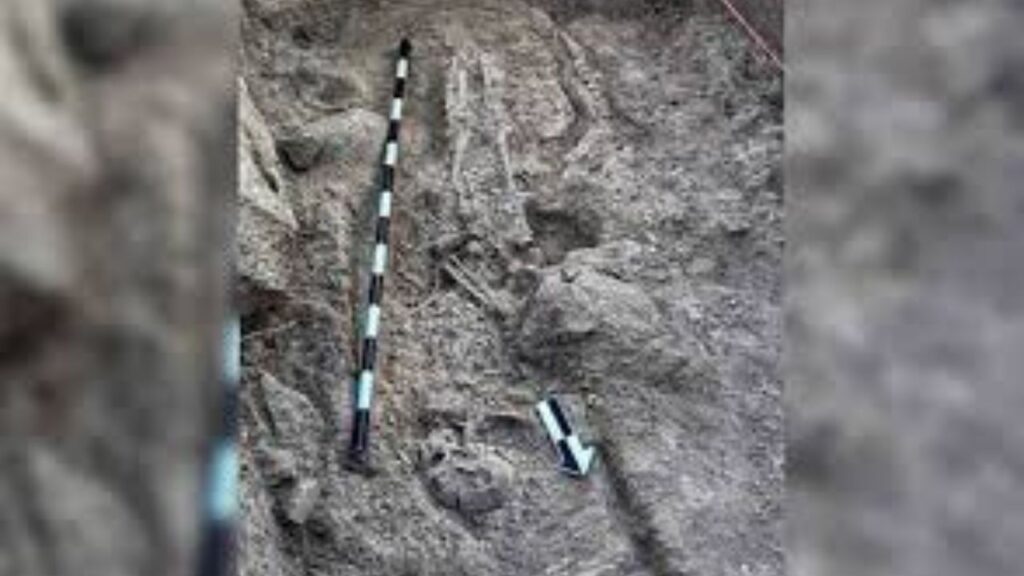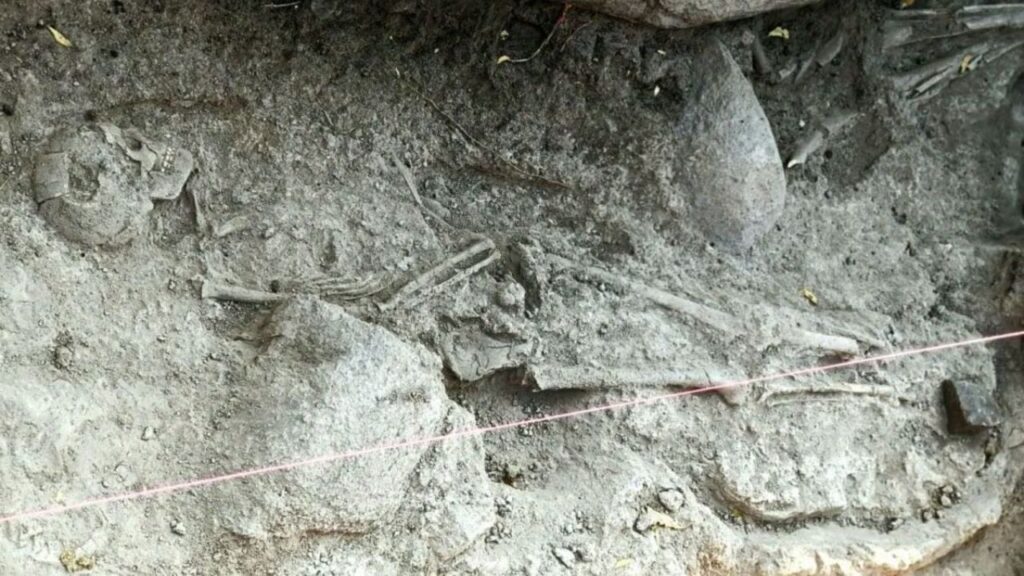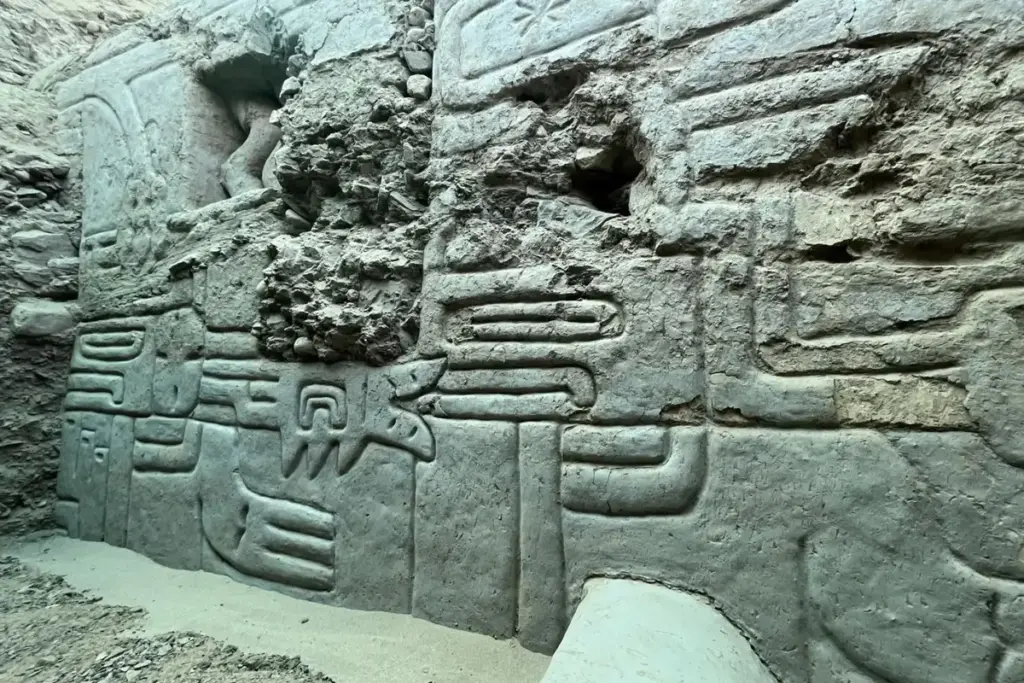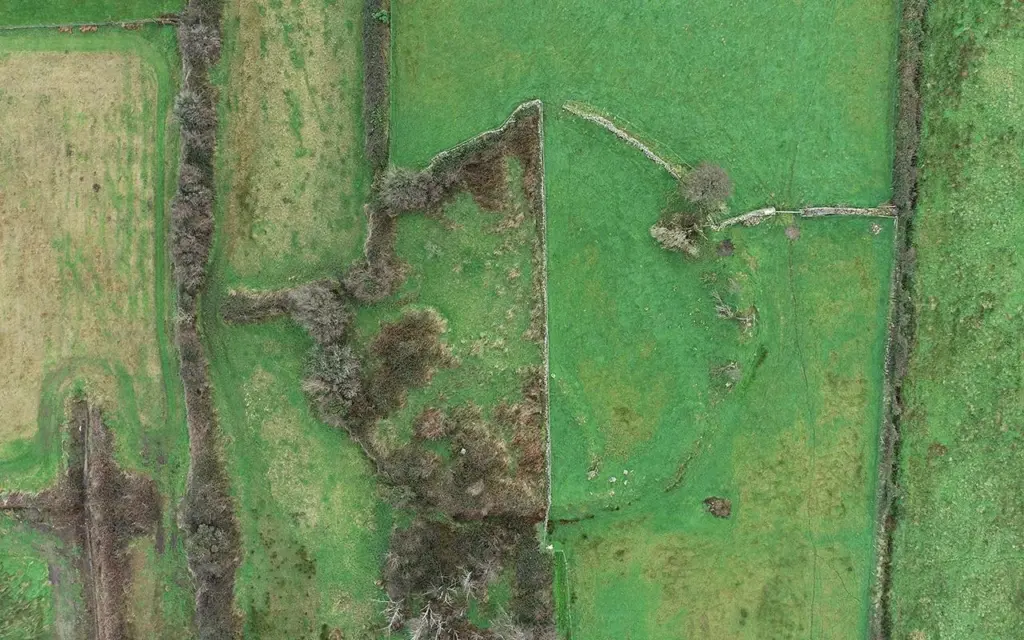

Canada’s History and Future: A new highway promises economic revival. A pipeline project pledges energy security. A subdivision aims to solve a housing crisis. But beneath the soil lies another story—one written in stone tools, ancient hearths, and ancestral remains.
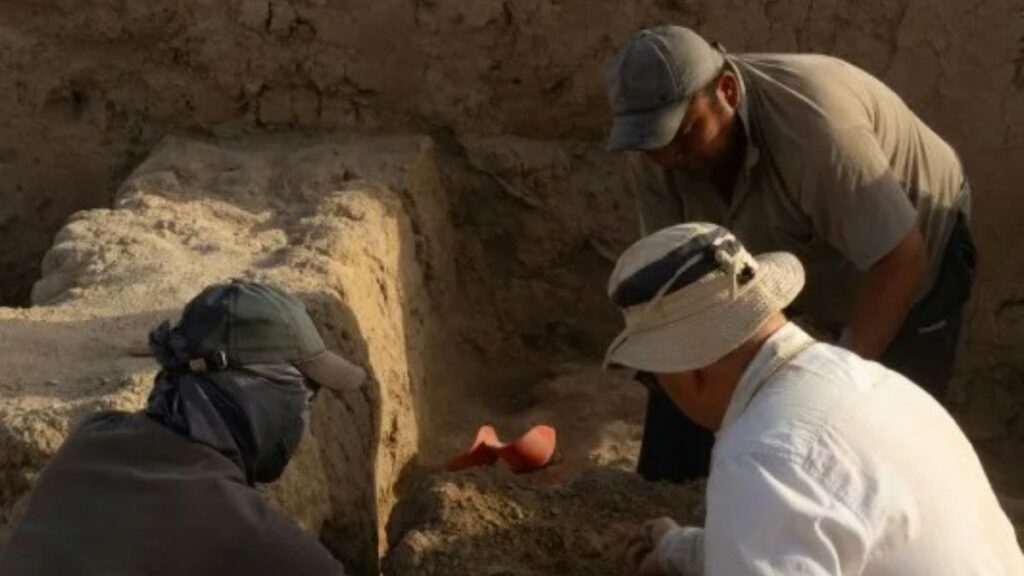
In Canada, every major development has a silent, scientific partner: the Cultural Resource Management (CRM) archaeologist. They are the guardians at the gate of progress. Now, a perfect storm is brewing.
A critical workforce shortage collides with heightened Indigenous rights and controversial new laws. The very systems designed to protect a millennia-old heritage are straining to the breaking point. The consequences? Irreparable loss of history, deepened conflict, and ultimately, more project delays.
This isn’t just about archaeology. It’s about who we are as a nation and what we choose to preserve.
The Quiet Crisis: A Vanishing Workforce
Canada is running out of qualified archaeologists. Demand is exploding, driven by endless infrastructure projects. Yet the supply pipeline is running dry.
A startling study reveals the scale of the problem. Estimates suggest only 419 to 713 CRM archaeologists work nationwide. This number is dangerously low. Across the country, 55 firms report unfilled positions.
They need everything from field technicians to project managers. The labor market simply hasn’t kept pace with industrial growth. This shortage isn’t just a human resources issue.
It becomes a direct threat to our shared heritage. Without enough professionals, assessments cannot be completed thoroughly or timely.

The Academic Disconnect: Educating for a Ghost Town
Why does this shortage exist? Look to our universities. Post-secondary institutions are failing the next generation of stewards.
Most archaeology and anthropology programs prepare students for one path: academia. Yet that career path is a vanishing dream for the vast majority. Over 90% of archaeology in Canada happens in the CRM sector.
Graduates are entering the workforce unprepared. They lack practical skills in legislation, survey technology, and Indigenous engagement protocols. The burden of intensive on-the-job training falls on overwhelmed employers.
Some institutions, like the Universities of Lethbridge and Calgary, are pioneering change. They offer CRM-specific courses. But these are rare exceptions in a landscape of declining humanities funding.
We are educating students for a ghost town while a vibrant city of opportunity goes unnoticed.
The Political Fault Line: Legislation vs. Legacy
The challenge isn’t just numerical. It’s profoundly political. Recent legislative shifts are redrawing the battle lines of preservation.
Federal Bill C-5 and similar bills in Ontario and British Columbia reveal a troubling trend. They seek to fast-track “nation-building” projects. Their tool? Exemptions.
These laws allow governments to bypass archaeological assessments. They can sidestep mandated Indigenous consultation. Decision-making is ripped from experts and communities.

It is handed to politicians and project proponents. This is a seismic shift. It moves heritage management from a scientific to a political sphere.
The risks are catastrophic. Unassessed sites, almost all of which are Indigenous ancestral places, will be destroyed. Treaty rights will be violated.
Ironically, this approach may cause the very delays it aims to prevent. It ignites conflict and litigation. It undermines the social license projects need to proceed.
The Path Forward: A Call for Integrated Solutions
Solving this crisis requires a multi-front strategy. We must build capacity, modernize education, and reaffirm ethical commitments.
First, universities must urgently reform their curricula. Small, strategic changes can have massive impact. Introduce CRM concepts in first-year anthropology courses.
Develop practicums and partnerships with CRM firms. Teach the Heritage Conservation Act, not just theoretical paradigms. Show students the viable, meaningful career that awaits them.
This isn’t about creating trade schools. It’s about adding essential tools to a robust academic toolkit.
Second, governments and industry must recognize true cost. Rushing development without proper assessment is a false economy. The political and financial fallout from destroying heritage is immense.

Adequate funding and realistic timelines for thorough CRM work are non-negotiable. They are part of the project’s foundation, not an obstacle.
What This Means for Canada: The Choice Before Us
This is a defining moment for Canada. We stand at a crossroads between expediency and legacy.
CRM archaeology is not red tape. It is due diligence. It is a fundamental act of reconciliation and respect. These professionals are not barriers to development.
They are essential partners in sustainable, ethical development. They ensure projects are built on a foundation of understanding, not on the rubble of lost history.
The choice is clear. We can gut the processes that protect 10,000 years of human history. We can silence the experts and disregard Indigenous voices.
Or we can invest. We can train a new generation of guardians. We can integrate rigorous science and respectful consultation into the heart of nation-building.
Our buried past holds the key to a more unified future. Will we choose to listen?
In-Depth FAQs
1. What exactly does a CRM archaeologist do on a development site?
They conduct phased assessments. This begins with archival research and a pedestrian survey. If artifacts are found, they proceed with systematic test pitting or excavation. They carefully recover, document, and analyze materials. Their final report determines the site’s significance. It recommends either preservation in place or, if destruction is unavoidable, full scientific excavation—a process called “mitigation.”

2. How do new laws like Bill C-5 actually bypass archaeological work?
These laws create “exemption” lists for specific types of projects deemed of paramount economic importance. Once a project is on this list, the provincial or federal minister can issue an order. This order exempts the proponent from standard permitting processes under heritage legislation. They can begin ground-altering work without an archaeologist present.
3. Why is Indigenous engagement so central to CRM in Canada?
The overwhelming majority of pre-contact archaeological sites in Canada are Indigenous ancestral sites. They are direct links to living cultures, histories, and identities. Engaging Indigenous communities is both an ethical imperative and a legal requirement. It respects Treaty rights, fulfills the Duty to Consult, and incorporates invaluable Traditional Knowledge that can guide and improve archaeological research.
4. If there’s a shortage, can’t we just use fewer archaeologists or faster methods?
Archaeology is a meticulous science. Rushing or cutting corners leads to permanent data loss. A site destroyed without proper recording is gone forever. The shortage means critical projects may wait months for a qualified firm. This creates the very delays critics complain about. The solution is more archaeologists, not lower standards.
5. What can a student do if they’re interested in a CRM career?
Seek out programs with CRM-focused courses or co-op placements. Volunteer with local archaeological societies or CRM field schools. Develop complementary skills in GIS mapping, forensic osteology, or drone photography. Most importantly, proactively learn about Indigenous history and the legislative landscape in your province. This practical knowledge makes you immediately valuable.