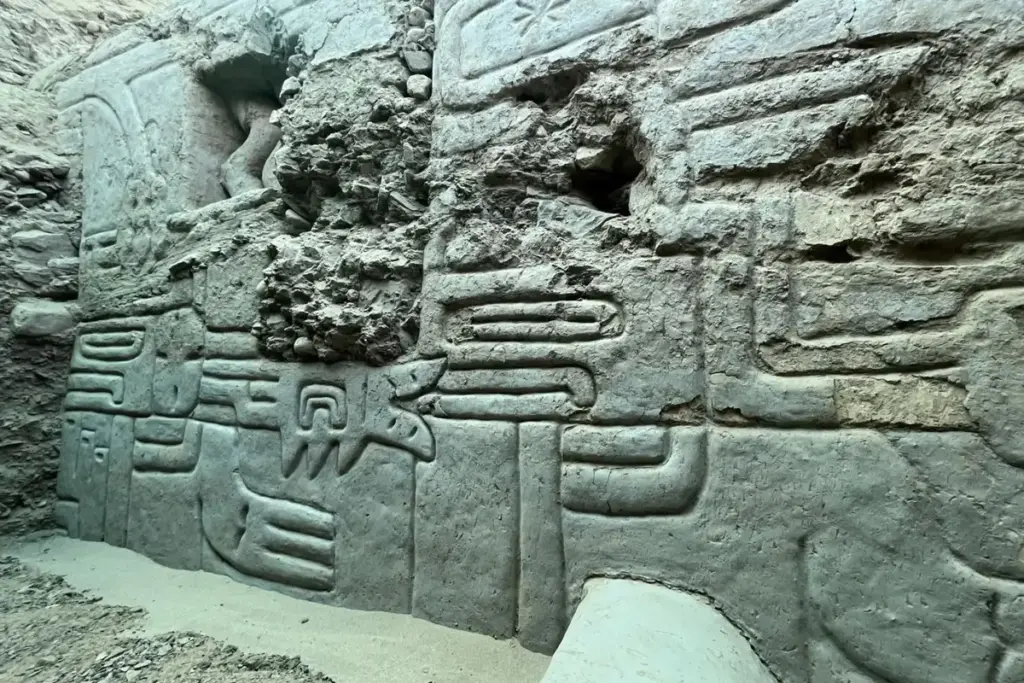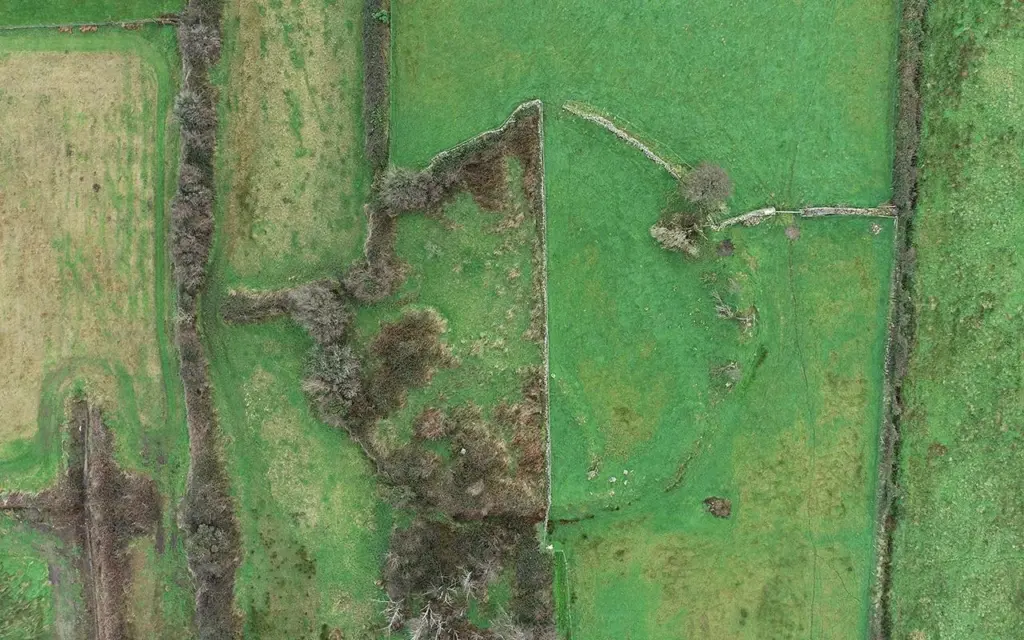
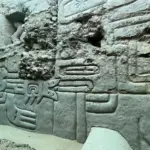

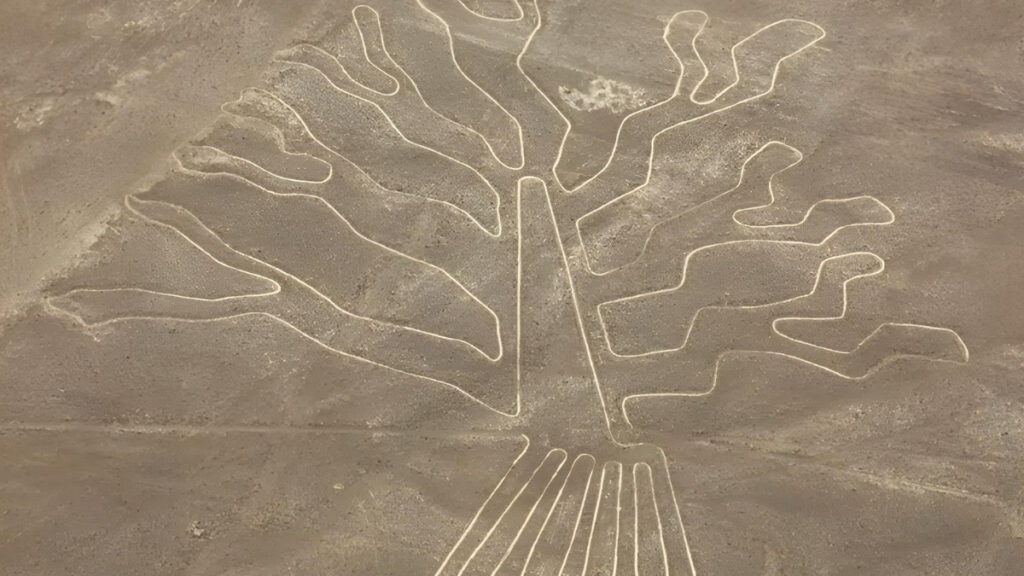
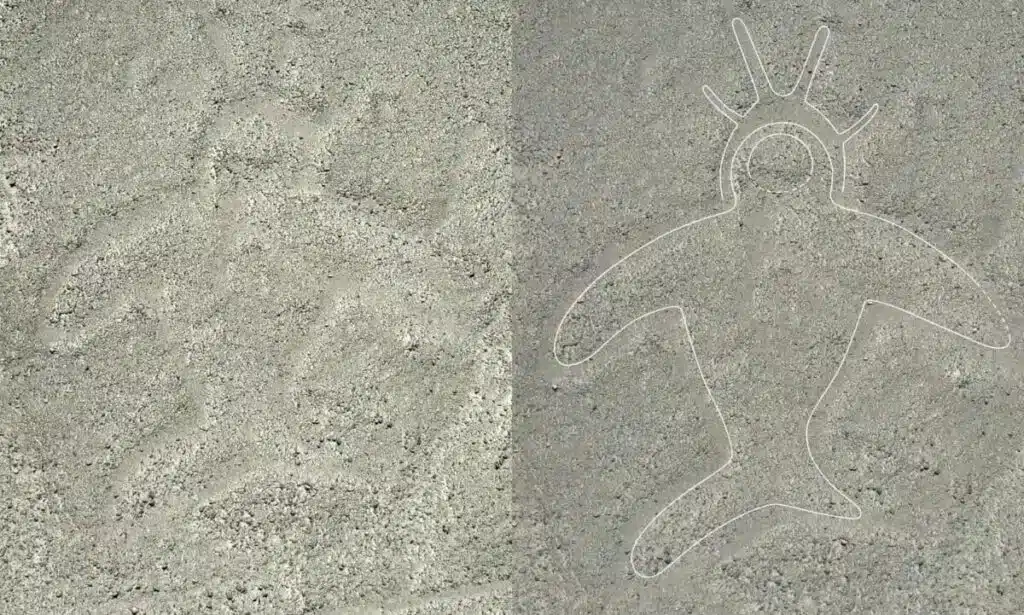
Beneath the sands of Peru’s vast Nazca Desert, artificial intelligence has uncovered what human archaeologists spent nearly a century searching for—hundreds of intricately carved figures that remained invisible to the naked eye. In just six months of fieldwork between September 2022 and February 2023, a collaboration between Yamagata University’s Nazca Institute in Japan and IBM Research identified 303 previously unknown geoglyphs, nearly doubling the total number of known figurative designs at this UNESCO World Heritage Site. The findings, published in the Proceedings of the National Academy of Sciences (PNAS) in September 2024, represent a watershed moment in archaeological discovery and reveal startling new insights into the spiritual and social life of the ancient Nazca civilization.
The discovery marks a dramatic acceleration in the pace of geoglyph identification. From the 1940s through the early 2000s, archaeologists located only about 1.5 new geoglyphs per year. Between 2004 and 2020, the introduction of high-resolution satellite and aerial photography increased that rate to 18.7 per year. Today’s AI-assisted approach has achieved a stunning 16-fold acceleration, with 303 confirmations in a single field season. This is not simply a faster version of old methods—it is a fundamentally different way of seeing the past.
How AI Transformed Ancient Detection
The challenge facing archaeologists was immense. The Nazca Pampa, a high-altitude desert plateau covering roughly 629 square kilometers (243 square miles) located 50 kilometers inland from Peru’s southern coast, stretches endlessly under intense sunlight. After nearly 2,000 years of exposure to wind, dust, and minimal weathering, many geoglyphs have become faint shadows on the earth, barely distinguishable even in high-resolution aerial imagery. Researchers using their eyes alone would require decades to survey the entire region methodically.
Enter machine learning. A team led by archaeologist Masato Sakai of Yamagata University trained a deep neural network—a type of artificial intelligence modeled loosely on how human brains learn—using photographs of 406 known relief-type geoglyphs (the smaller, more recent figurative designs). Rather than training the AI from scratch, they used transfer learning: first conditioning the model on millions of natural photographs from ImageNet, then fine-tuning it specifically on Nazca patterns. This approach required far fewer training examples than conventional machine learning would demand.
The AI was designed to process 10-centimeter-resolution aerial photographs in small 11-meter-square tiles, scanning the entire Nazca Pampa with a 5-meter overlap between adjacent tiles. Instead of asking the algorithm to identify geoglyphs as rectangular boxes (as earlier attempts had done), researchers developed a “probability map”—a continuous surface indicating the likelihood of a geoglyph at each location. This innovation allowed the model to capture faint, partial, or partially obscured figures that would confound simpler detection systems.
The results were staggering: the AI flagged 1,309 high-probability candidates across the desert. Archaeologists then spent 1,200 labor hours screening these suggestions, confirming that roughly one in every 36 AI recommendations warranted ground inspection. That filtering step was crucial—without human expertise to winnow false positives, the sheer volume of candidates would have overwhelmed fieldwork. But the AI had dramatically narrowed the search space, allowing researchers to focus their limited fieldwork resources on the most promising sites.
Between September 2022 and February 2023, Sakai’s team walked the desert on foot, equipped with high-resolution drone cameras, inspecting 303 promising AI-identified locations and confirming the presence of authentic geoglyphs at each site. They also discovered an additional 42 geometric designs (lines and trapezoids). Of the 303 figurative geoglyphs confirmed, 178 were individually flagged by the AI; the remaining 125 were either found as part of groups the AI had partially identified or located during fieldwork without AI guidance. The combined effort consumed 2,640 labor hours but yielded nearly as many new figures as had been discovered over the previous 80 years.
Two Very Different Types of Nazca Designs
The AI-powered discoveries have revealed something scholars long suspected but could never fully document: the Nazca created two fundamentally distinct categories of geoglyphs, each serving different social and spiritual purposes.
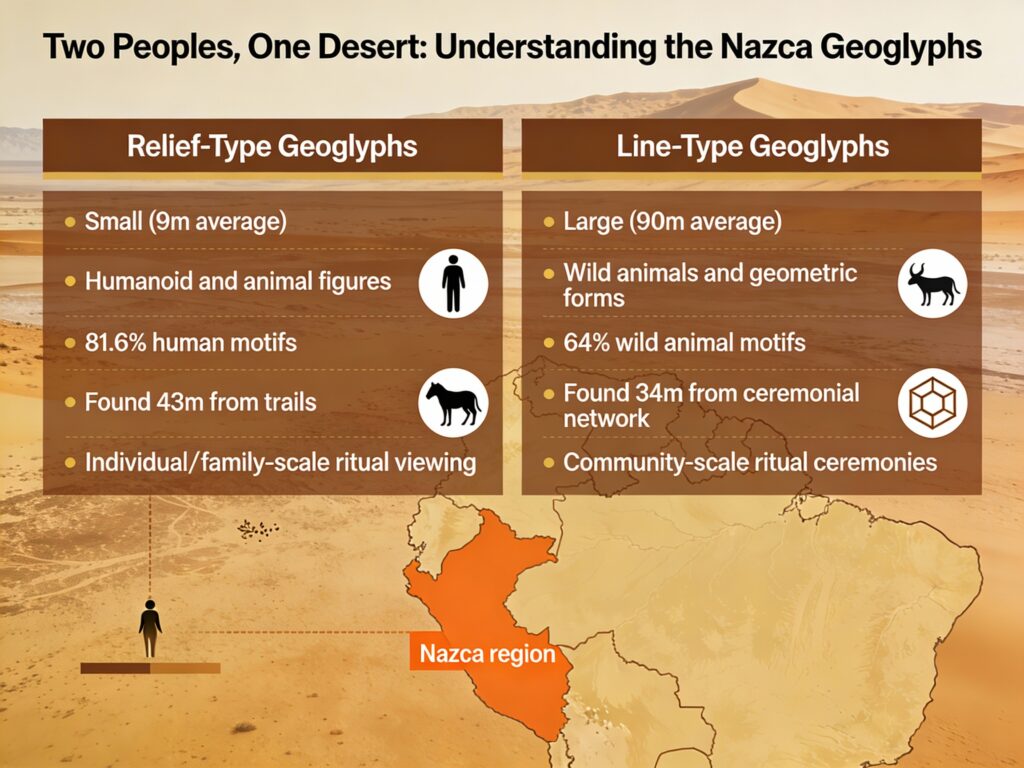
The relief-type geoglyphs—the ones most abundantly represented among the 303 newly discovered figures—are typically small, averaging about 9 meters across. They depict predominantly human and domesticated subjects: humanoids (making up 33.8% of all relief-type figures), decapitated heads (32.9%), domesticated camelids like llamas and alpacas (14.9%), and occasionally wild animals such as birds, monkeys, and felines. These figures appear close to ancient trails that crisscross the Nazca Pampa—winding, informal pathways created by countless generations of people walking the same routes. On average, relief-type geoglyphs sit about 43 meters from these trails, positioned at distances that made them visible to individuals and small groups moving through the landscape.
The pattern suggests a radically different function than the famous enormous line-type geoglyphs. The relief-type figures appear to have served as storytelling markers along pilgrimage routes, depicting scenes of human life—herding, ritual, sacrifice—to be observed and contemplated by travelers. The prevalence of decapitated heads and human figures likely reflects the visual iconography that dominated Nazca religious practice, which scholars believe incorporated ritual human sacrifice and ancestor veneration.
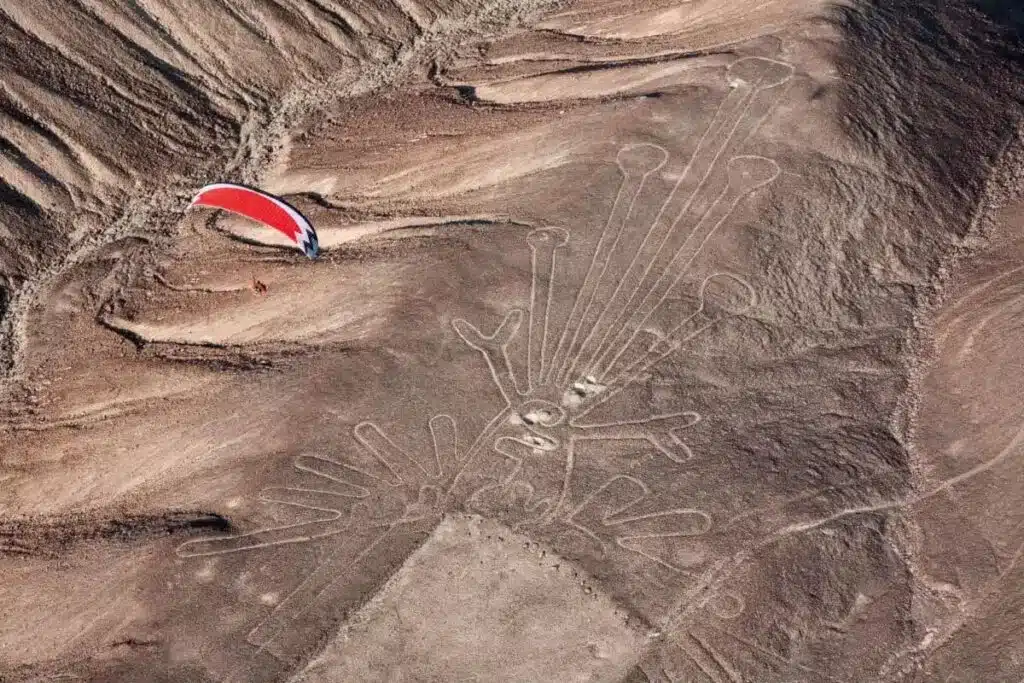
The line-type geoglyphs paint a different picture entirely. At an average of 90 meters in length, these colossal designs dwarf the relief-type figures. They depict primarily wild animals—especially birds, monkeys, and marine creatures—along with occasional plants and geometric forms. Crucially, they bear almost no resemblance to relief-type geoglyphs in subject matter: humanoids, domesticated animals, and decapitated heads appear in line-type designs at rates below 1%, as if these were designs of an entirely different society.
The spatial relationship of line-type geoglyphs is equally revealing. Rather than clustering near footpaths, they associate with a vast network of straight lines and enormous trapezoids—the iconic “Nazca Lines” that have captivated the world since their aerial discovery in the 1920s. This network appears to have been constructed during the Early Nazca period (roughly 50–300 CE) and connected major ritual and population centers, particularly Cahuachi—the principal ceremonial site—and the confluence of rivers in the Nazca Valley, a location the Quechua people would later call “tinkuy,” meaning a spiritually charged place where opposing forces converge. The line-type figurative geoglyphs cluster within about 34 meters of this formal geometric network, embedded within what archaeologists now understand as planned public architecture designed for community-scale ceremonies and pilgrimages.
What the Geoglyphs Reveal: Ritual, Not Mystery
For decades, popular theories have attributed the Nazca Lines to astronomical observation, alien contact, or water cult worship. Recent scholarship, enriched by the AI-enhanced dataset, now reveals a more coherent picture: the geoglyphs were part of an integrated sacred landscape designed to organize ritual practice across the desert.
The relief-type geoglyphs—the personal, narrative designs—were created during the Initial Nazca period (100 BCE–50 CE) or possibly earlier, according to pottery evidence discovered at and near these figures. They depict the everyday and ceremonial life of individuals and families: herding domestic animals, engaging in ritual practices that included the taking and display of enemy heads (a practice documented across pre-Columbian Andean societies), and conducting unnamed ceremonies. These geoglyphs were drawn to be encountered, one or a few at a time, by people moving along the trails. Walking past a scene of a humanoid figure with a decapitated head would have communicated information about ritual status, social roles, and spiritual obligation.
The line-type geoglyphs represent a subsequent elaboration. Rather than serving individuals walking local trails, they were integrated into an enormous, unified network of straight lines and rectangular plazas that spanned the entire Nazca Pampa. Evidence suggests these enormous trapezoids functioned as ritual squares where ceremonies took place, and the line-type figurative geoglyphs (depicting wild animals) were positioned along paths leading to or within these squares. The alignment of this entire network suggests it was designed to link the Ingenio River Valley in the north—where roughly 10 narrow passages entered the geoglyph network—to the ritual centers of the southern Nazca River Valley.
Scholars propose that communities from the Ingenio Valley conducted seasonal pilgrimages across the Nazca Pampa to these southern centers, walking the straight-line network as a formal procession. The enormous animal geoglyphs, visible only from the ground at close range or from the sky (which no human had the capacity to see in Nazca times), likely served as focal points for ceremonial activity. Because the primary motifs are wild animals—creatures associated with fertility, power, and the spiritual realm—archaeologists hypothesize that rituals performed at these geoglyphs involved petitioning deities associated with wildlife, perhaps for successful hunting or the provision of water needed for irrigation in this hyperarid environment.
This interpretation aligns with what we know of Nazca religious practice from their extraordinarily detailed and colorful pottery. The Nazca were masterful potters, and their ceramics depict a pantheon of supernatural beings, many combining human and animal features, along with explicit scenes of ritual bloodletting and trophy-head taking. The sacred landscape they created on the ground appears to mirror the spiritual world visible in their ceramic art.
What We Know vs. What Remains Uncertain
What the research has solidly established:
The 303 newly discovered geoglyphs are authentic designs created by hand, from 100 BCE to approximately 650 CE. They were positioned with deliberate spatial relationships to ancient footpaths (relief-type) and ritual networks (line-type), confirming these were not random creations but organized expressions of community and individual identity. The sheer scale and labor investment—creating designs visible only partially from ground level or not at all from human eye level—demonstrates that ritual meaning, not practical utility or visual spectacle, motivated their creation.
What remains genuinely uncertain:
While the relief-type and line-type geoglyphs clearly served different purposes, the specific ceremonial functions remain partly interpretive. Were the relief-type geoglyphs primarily mnemonic devices encoding lineage or territorial claims? Were they offerings to ancestors? Did they mark sacred locations within a complex pilgrimage system? The pottery record and archaeological context suggest ritual and kinship significance, but definitive answers await further excavation and study.
Similarly, scholars continue to debate whether some geoglyphs—particularly the enormous line-type animal figures—also served astronomical or calendrical functions. Maria Reiche, the legendary German mathematician and archaeologist who devoted 50 years to mapping and protecting the Nazca Lines, argued that they aligned with solstices and celestial events. Modern re-analysis by archaeoastronomers has found some alignments, but most scholars now agree these are secondary, if present at all, to the primary ritual-ceremonial purpose.
What remains clear: the Nazca people engineered an environment of meaning on a vast scale. They understood geometry, could organize labor collectively, and invested immense effort in creating designs that communicated with their gods, their ancestors, and one another across the harsh desert landscape. Whether or not every alignment was intentional or every geoglyph served multiple symbolic functions simultaneously, the scope and sophistication of what they created testifies to a civilization far more complex and organized than the popular mystery-focused narratives suggest.
The Legacy of AI in Archaeology—and of Maria Reiche
The 2024 discovery builds directly on the life’s work of Maria Reiche (1903–1998), the German-born mathematician and archaeologist who became known as the “Lady of the Lines.” Reiche first saw the Nazca Lines from an airplane in 1941 and devoted the remaining 57 years of her life to documenting, studying, and protecting them. Living in a modest room at a local hotel, she walked the desert daily, mapping geoglyphs by hand, publishing her findings, and advocating tirelessly for national and international protection. When she died in 1998, the Nazca Lines were on the verge of receiving formal protection; they became a UNESCO World Heritage Site in 1994 and were officially designated in 1995. Reiche’s passion had created the institutional and cultural momentum that made preservation possible.
Today, AI amplifies Reiche’s vision. Rather than one person with binoculars and a measuring tape, hundreds of square kilometers of imagery are processed by algorithms that can detect patterns invisible to individual human observers. But—and this is critical—the AI remains a tool of discovery, not interpretation. Every geoglyph identified by the algorithm was verified by trained archaeologists on the ground. Sakai and his team emphasize that technology accelerates the search but cannot replace human expertise, cultural knowledge, and fieldwork.
Looking forward, the research team estimates that approximately 968 additional candidates flagged by the AI remain unvisited. If survey rates hold, these could yield at least 248 additional geoglyphs before the current research permit (valid through 2026) expires. With each discovery comes richer data on the spatial distribution, motif frequencies, and temporal patterns of geoglyph creation—the raw material for deeper understanding of how the Nazca organized their world.
Why This Discovery Matters Now
The acceleration of discovery carries urgent implications. Climate change is threatening the Nazca Pampa. Recent research indicates that increasing frequency of extreme weather events—particularly El Niño-driven flooding—poses serious risks to the geoglyphs. Flash floods can wash away the delicate surface features that define these designs. Simultaneously, expanding agriculture, urban development, and unauthorized vehicle traffic degrade the archaeological site daily.
By documenting and mapping geoglyphs at an unprecedented pace, researchers can identify which sites face the greatest risk and prioritize protection strategies. The detailed spatial data collected via drone surveys provides archaeologists with high-resolution baselines against which future erosion can be measured. In a landscape threatened by human activity and climate disruption, speed in documentation has become a form of conservation.
The Nazca discovery also demonstrates that artificial intelligence, when thoughtfully designed and combined with rigorous archaeological method, can democratize access to archaeological knowledge. The techniques developed for Nazca are now being adapted to other sites: archaeologists in Europe are using similar AI approaches to detect burial mounds invisible in satellite imagery; researchers are applying the same computer vision methods to locate shipwrecks on the seafloor. Small archaeology departments without access to aerial surveys or expensive technology can now harness freely available satellite data and open-source AI tools to make discoveries once reserved for well-funded teams.
Conclusion: A Desert Speaks
The Nazca people built their greatest monuments not to be seen but to be walked. Whether traveling ritual pathways marked by small relief-type figures or participating in elaborate community ceremonies at the bases of enormous animal geoglyphs, they inhabited a landscape saturated with meaning. They wove the earth itself into their spiritual and social systems, creating a kind of permanent sacred text written in stone and relocated surface gravel.
For 2,000 years, the vast majority of these designs remained invisible—not because they were secrets or mysteries, but simply because they were too subtle to be seen from ground level, and humans lacked the technology to survey 629 square kilometers systematically. Artificial intelligence has provided that vision. But the meaning it reveals belongs to the Nazca people: a vision of devotion, organization, and artistic ambition that continues to astonish those who encounter it, whether walking the desert floor or reading about it from across the world.