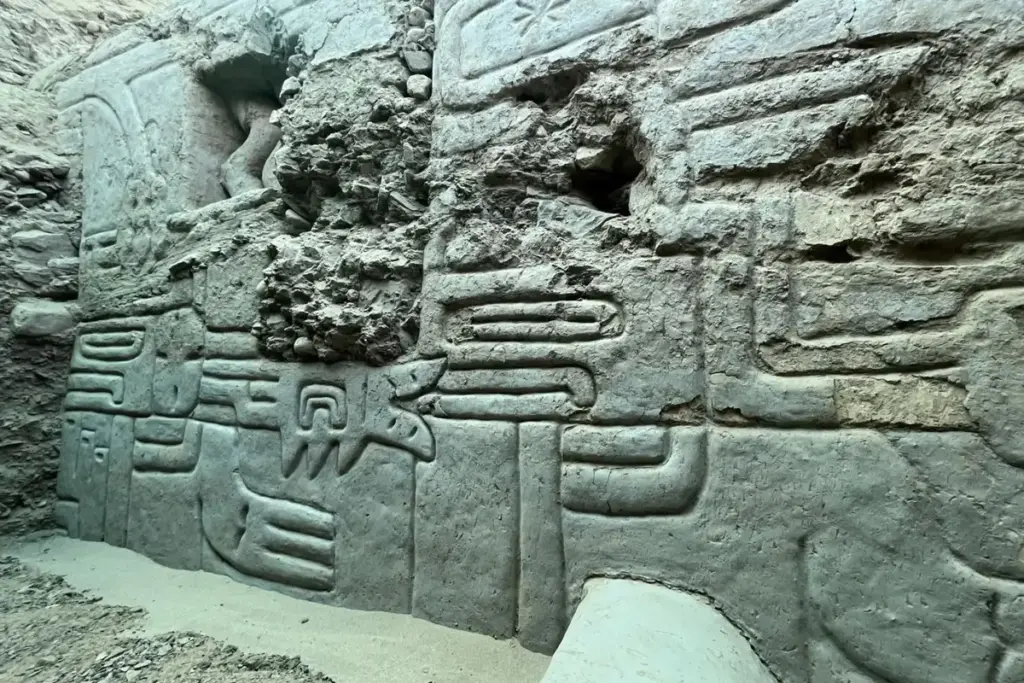
An extraordinary archaeological discovery in Peru is rewriting what scholars know about early Andean civilizations. A 4,000-year-old three-dimensional polychrome mural, uncovered at Huaca Yolanda, has been recognized by leading international academic journals as one of the most significant archaeological finds of 2025.
Discovered in July last year by a Peruvian research team, the mural is already reshaping academic understanding of ancient Andean societies due to its exceptional complexity, symbolism, and unprecedented artistic form.
A Mural Unlike Any Other in World Archaeology
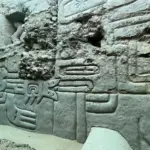
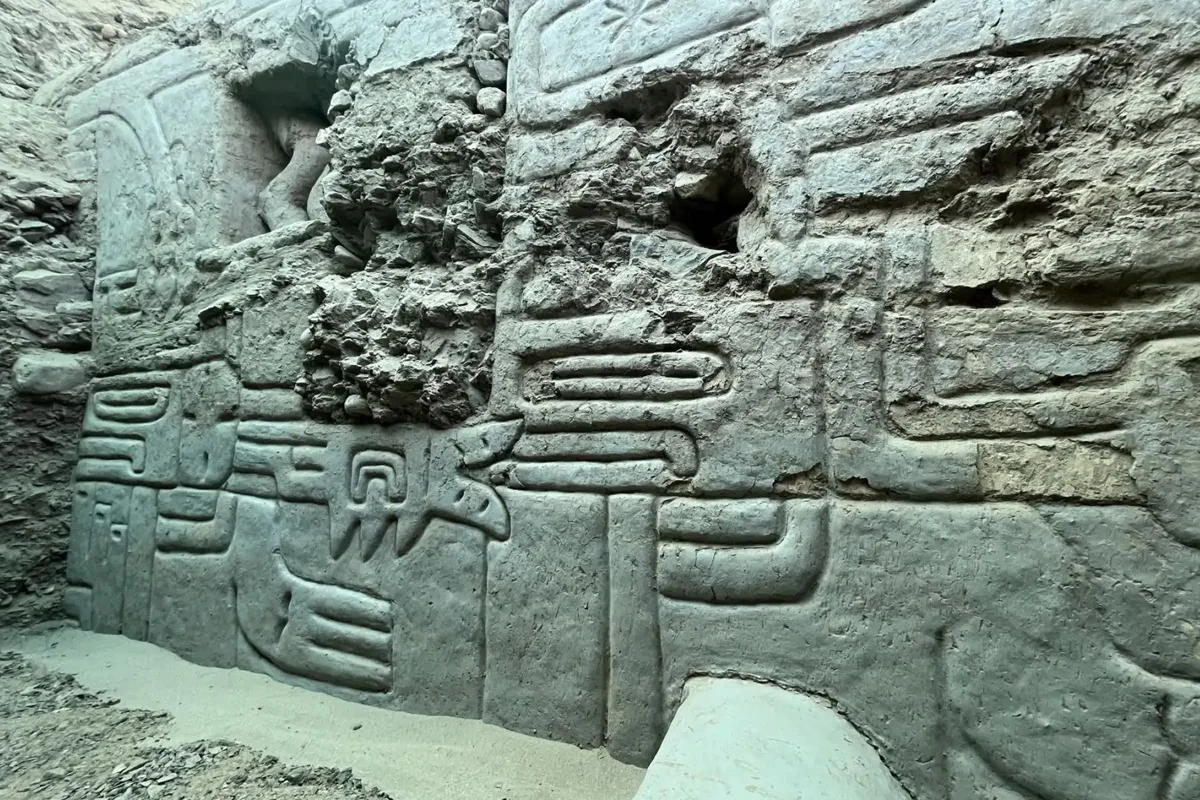
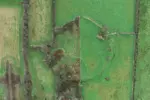
What makes the Huaca Yolanda mural truly unique is its three-dimensional relief carved on both sides of a wall, creating a symbolic and visual dialogue between two sacred temple spaces. Unlike most ancient murals in Peru—which are flat and painted on a single surface—this artwork integrates sculpture and color in a way never before documented in Peruvian or global archaeology.
Experts say no comparable example exists anywhere in the archaeological record, making the discovery globally significant.
Recognition From the Academic World
The excavation and analysis were led by a team affiliated with the Pontifical Catholic University of Peru, under the Early Ecodynamics Archaeological Program of the Chao and Santa Valleys (PRAET). Program director Mauricio emphasized that the discovery confirms the mural’s extraordinary aesthetic, technical, and symbolic value.
“This is more than an artistic achievement,” she explained. “It represents a sophisticated worldview and ritual system that we are only beginning to understand.”
International journals have echoed this assessment, highlighting the mural’s ability to transform current interpretations of early Andean religion, leadership, and scientific knowledge.
Powerful Shamanic Imagery Revealed
The iconography carved into the mural is striking and deeply symbolic. On one side, researchers identified a massive bird figure nearly six meters long, depicted with outstretched wings and rendered in high relief. Beneath the bird appears a geometric feline head, a symbol often associated with power, transformation, and the spiritual realm in Andean cultures.
On the opposite side of the wall, three human figures appear in sequence, each increasing in size. The final figure bears the head of a bird, strongly suggesting a ritual transformation. Archaeologists believe this imagery represents shamanic practices, which were central to political authority, religious leadership, and knowledge systems in early Andean societies.
Sacred Architecture and Ritual Space
The mural is located within a U-shaped temple complex, a sacred architectural form that dates back approximately four millennia and is closely associated with early ceremonial centers in ancient Peru. The artwork occupies the uppermost atrium, the most restricted and sacred area of the complex, indicating that it played a crucial role in elite ritual activity.
Pigments in ochre, red, black, and blue were used in the mural, and researchers have identified multiple layers of paint. This suggests the mural was repainted and reused over an extended period, pointing to long-term ritual significance rather than a single ceremonial event.
Ongoing Excavation and Preservation Challenges
So far, only six meters of the mural have been excavated, and archaeologists believe much more remains buried beneath the soil. Efforts are currently underway to secure funding for continued excavation, conservation, radiocarbon dating, and pigment analysis.
Protecting the site is a top priority, as exposure and environmental damage pose serious risks. The research team is also working to involve local communities and ensure that the discoveries are shared responsibly with the public.
A New Window Into Ancient Peru
Scholars say the Huaca Yolanda mural offers an unprecedented glimpse into the spiritual, social, and political life of ancient Peru. Its scale, symbolism, and technical sophistication challenge long-held assumptions about the capabilities of early Andean societies.
As further excavation continues, researchers believe the mural could become one of the most important reference points for understanding ritual power, artistic innovation, and sacred architecture in the ancient Americas—cementing Huaca Yolanda’s place in global archaeological history.