
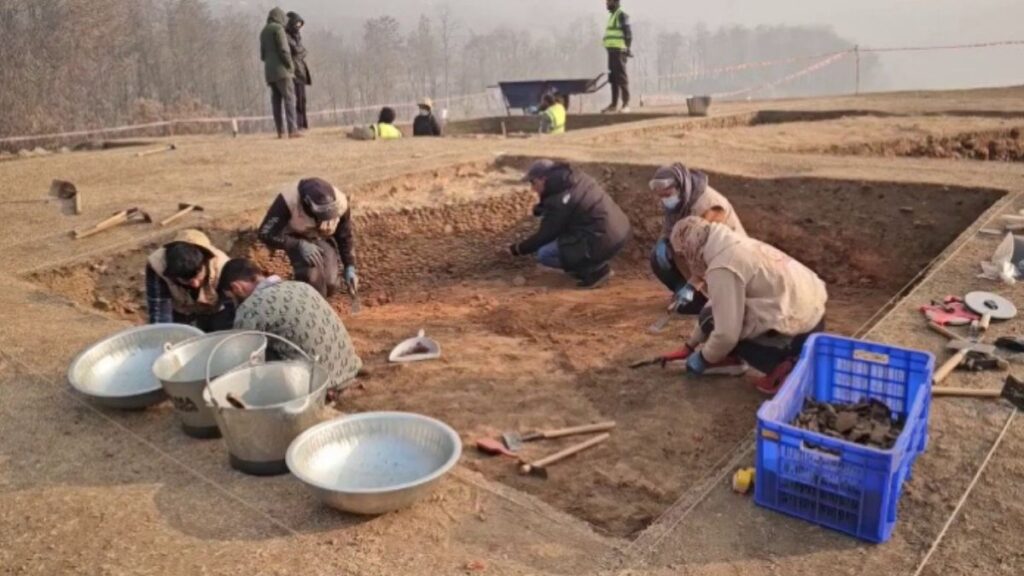
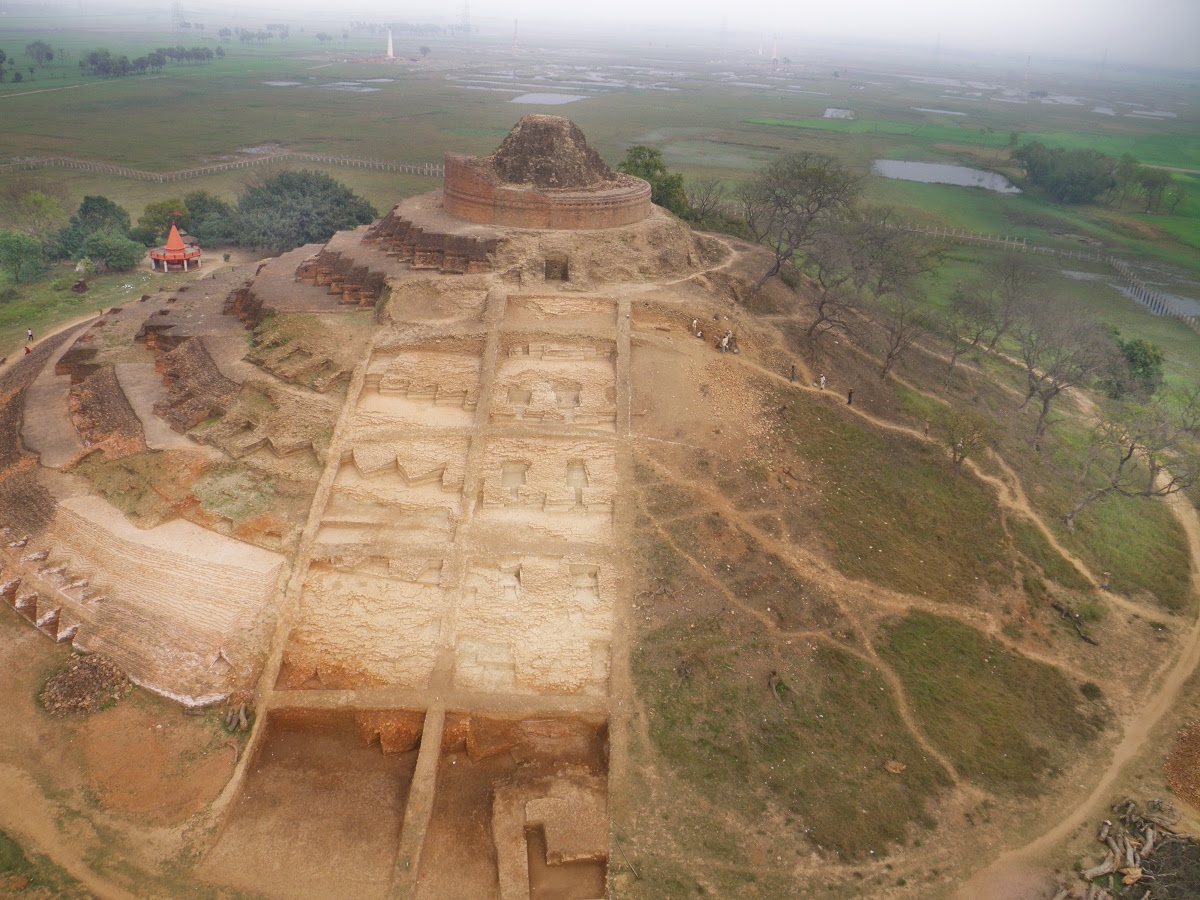
Beneath quiet farmland along the Jhelum River, archaeologists in northern Kashmir have uncovered evidence of a long-forgotten Buddhist landscape. Recent excavations at Zehanpora village in Baramulla District have revealed a 2,000-year-old Buddhist complex that includes stupas, monastic structures, and traces of an organized settlement dating mainly to the Kushan period (1st–3rd centuries CE).
The discovery, announced after systematic survey and excavation work conducted in 2025, adds new material evidence to long-standing textual references that describe Kashmir as an important center of early Buddhism. It also strengthens the region’s historical links with the Gandhara cultural sphere, one of the most influential Buddhist networks of ancient South Asia.
Where the Site Is — and Why It Was Missed
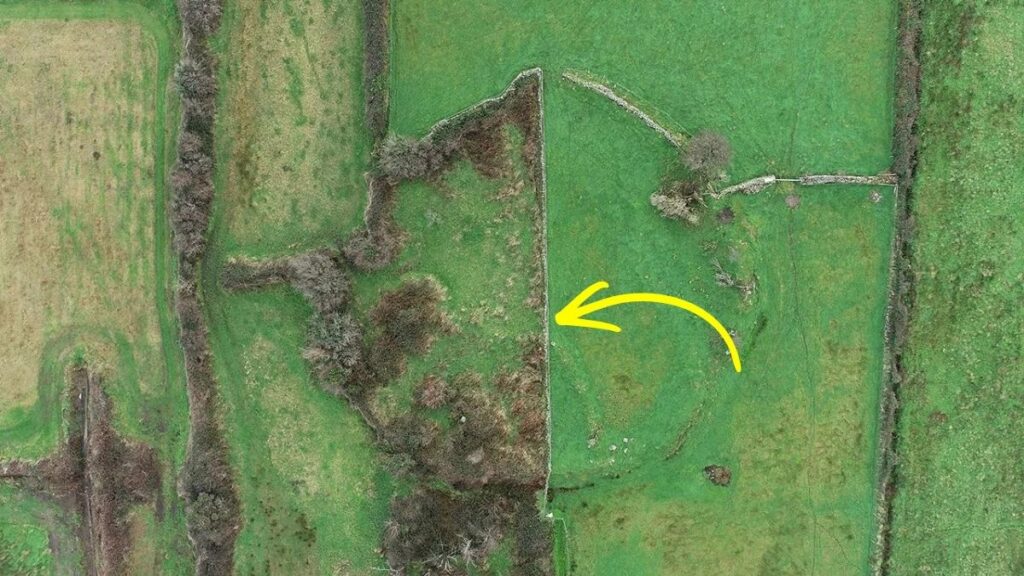
The newly documented site lies on agricultural land near the Jhelum River, an area marked by several low earthen mounds. For decades, these mounds were known locally and occasionally noted by scholars, but their significance remained unclear.
What changed was the combination of archival research and modern technology. According to officials, researchers identified blurred archival photographs preserved in a French museum, likely taken around a century ago, showing three Buddhist stupas in the Baramulla region. These images provided crucial clues that prompted renewed investigation.
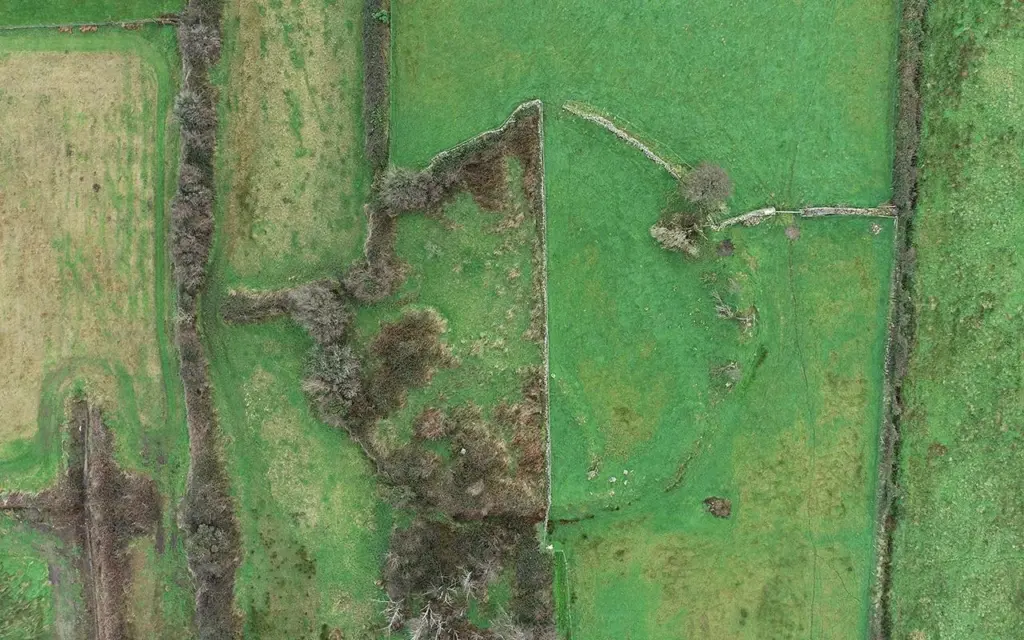
Drone-based aerial surveys later confirmed that the Zehanpora mounds were man-made, leading to targeted excavation.
What Archaeologists Have Found So Far
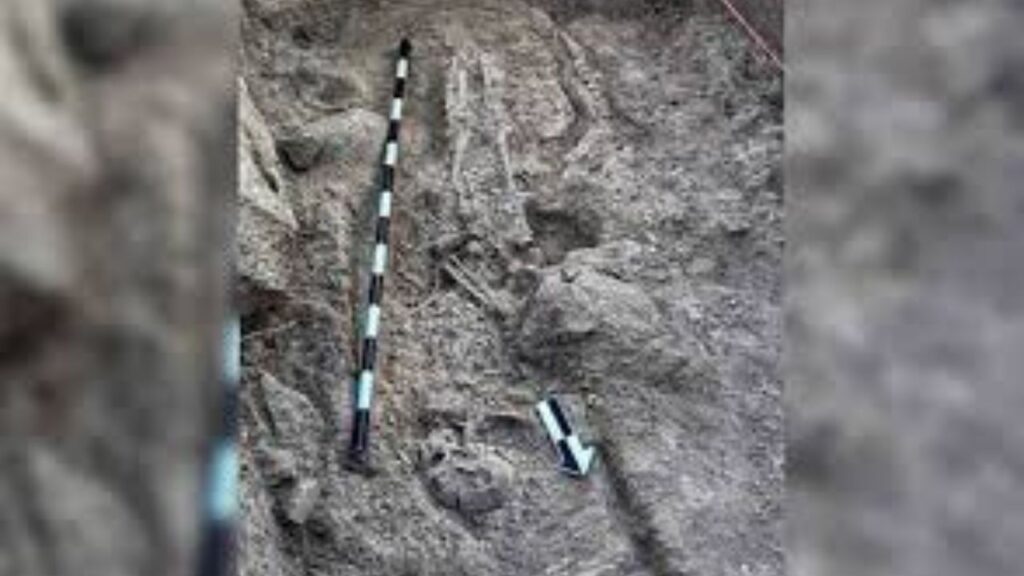
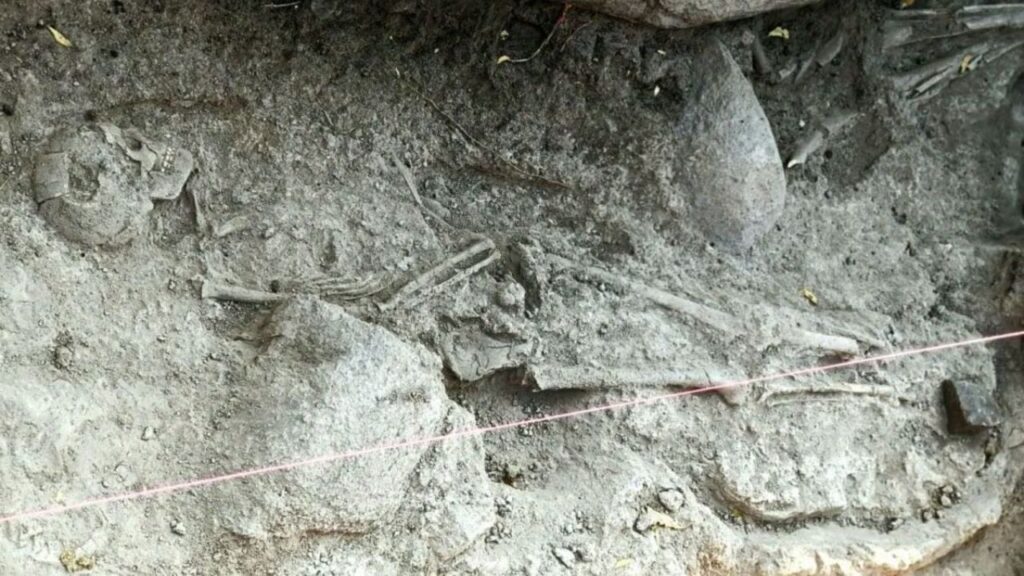
Excavation teams uncovered a range of structural and material remains, including:
Apsidal stupa foundations, a form typical of early Buddhist architecture
Monastic cells, suggesting residential use by monks
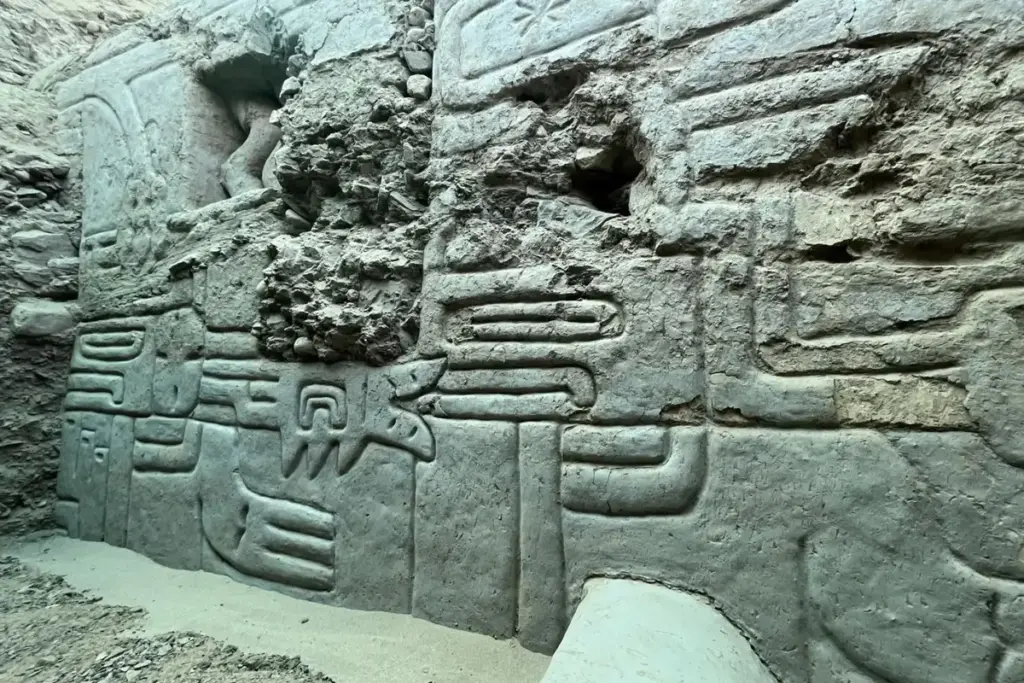
Stone walls and paved areas, indicating planned construction
Pottery shards and copper artifacts, consistent with Kushan-era material culture
Archaeologists note that the layout and architectural features closely resemble those found at Gandharan Buddhist sites in present-day Pakistan and Afghanistan, pointing to shared artistic and religious traditions.
Who Is Leading the Research
The excavation is being carried out jointly by the Department of Archives, Archaeology and Museums (DAAM), Jammu and Kashmir, and the University of Kashmir, with formal approval from the Archaeological Survey of India (ASI).
On-site research is led by Mohammad Ajmal Shah, assistant professor of archaeology at the University of Kashmir, under the supervision of Kuldeep Krishan Sidha, director of DAAM. Excavation assistant Javaid Ahmed Matto has stated that all artifacts recovered so far appear to belong to the Kushan period, though further analysis is ongoing.
Kashmir and Buddhism: A Longer History
Historical sources suggest that Buddhism reached Kashmir as early as the Mauryan period, particularly during the reign of Emperor Ashoka (3rd century BCE). Its influence expanded dramatically under the Kushan dynasty, whose empire stretched from Central Asia across Gandhara and into northern India.
Chinese pilgrims such as Xuanzang (7th century CE) later described Kashmir as a region rich in monasteries and Buddhist scholarship, accessed through Silk Route corridors. Until now, however, much of that history relied heavily on texts rather than excavated evidence.
The Zehanpora site provides tangible archaeological support for these accounts.
A Gateway Between Kashmir and Gandhara
Scholars emphasize that Baramulla’s location is key. Situated near natural passes linking the Kashmir Valley with the Gandhara region, the area likely served as a gateway for trade, pilgrimage, and monastic exchange.
Some researchers suggest the site may be connected to Huvishkapura, believed to have been a Kushan-era capital mentioned in historical sources. While this link has not yet been confirmed archaeologically, it underscores the strategic importance of the region during antiquity.
Why the Discovery Matters
This find helps place Kashmir more firmly within the transregional Buddhist world of ancient South Asia. Rather than being a peripheral zone, the valley appears to have been an active participant in networks that connected monasteries, merchants, and scholars across vast distances.
The discovery also highlights how new methods—archival research, drones, and systematic excavation—can transform long-known landscapes into sources of new historical insight.
What We Know vs. What’s Uncertain
What we know
The site dates primarily to the Kushan period (1st–3rd centuries CE)
Excavations have revealed stupas, monastic structures, and settlement remains
Architectural features align with Gandharan Buddhist styles
The project is officially sanctioned and ongoing
What remains uncertain
The full size and extent of the complex
Whether earlier (Mauryan-period) phases exist beneath the Kushan layers
A definitive link to Huvishkapura
The precise duration and intensity of occupation

Looking Ahead
Further excavation seasons are planned, and researchers expect additional stupas and structural elements to emerge. As analysis continues, the Zehanpora site may significantly refine scholarly understanding of Kashmir’s role in early Buddhist history and its connections to wider Asian religious networks.