




Ancient Civilizations: Long before machines transformed human societies, animals were essential partners in survival, belief, and power. In the ancient world, certain species were not just background fauna; they shaped trade routes, warfare, religion, and daily life. Archaeology, art, and ancient texts reveal how deeply intertwined humans and animals once were.
From desert caravans to temple iconography, these five animals played especially prominent roles across early civilizations — not as myths alone, but as living participants in history.
1. Camels: The Engines of Desert Trade
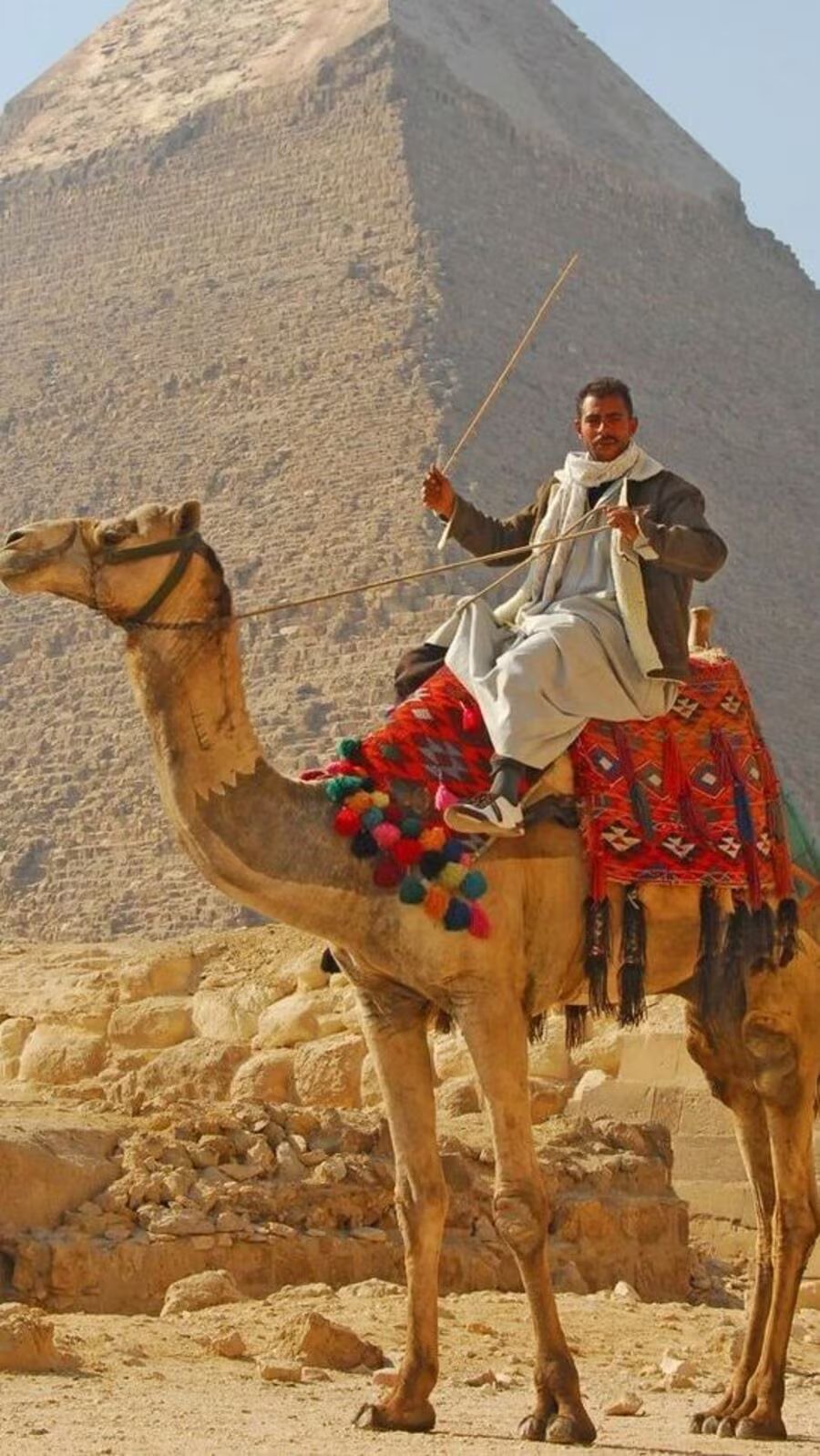
Camels were indispensable to civilizations in ancient Egypt, Arabia, Mesopotamia, and the Levant, particularly from the late second millennium BCE onward. Their ability to survive long periods without water and carry heavy loads made them ideal for crossing arid landscapes.
Archaeological and textual evidence links camels to the expansion of long-distance trade networks, including incense and spice routes connecting Arabia with the Mediterranean and South Asia. While donkeys dominated earlier transport, camels gradually reshaped desert mobility and commerce.
Why they mattered:
Camels enabled sustained trade across environments previously difficult to cross, helping integrate distant economies and cultures.
2. Elephants: Power, Prestige, and Warfare
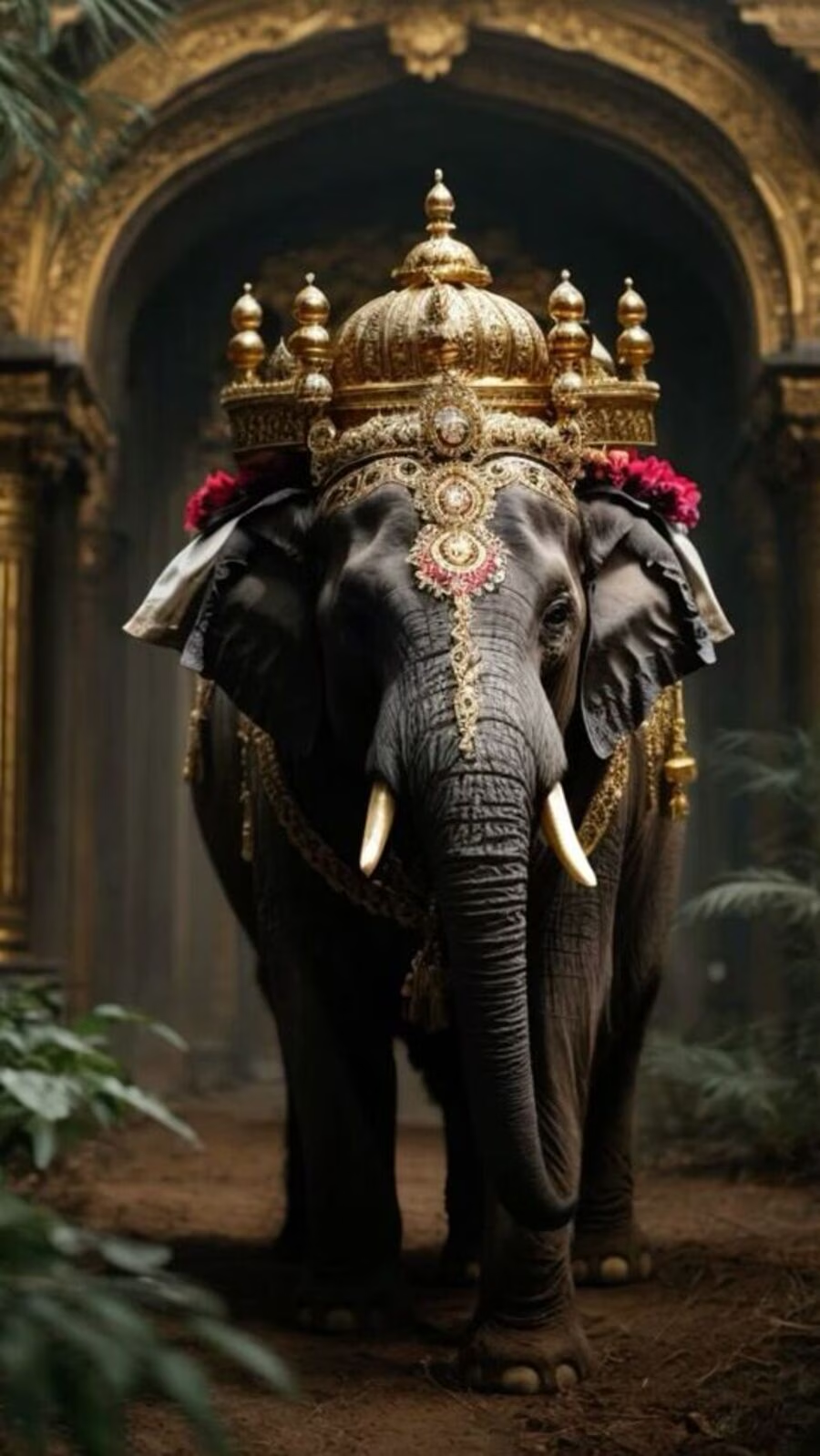
In ancient India, Southeast Asia, and the Mediterranean world, elephants were symbols of authority and instruments of war. Indian texts, inscriptions, and reliefs depict elephants in royal processions and ritual contexts, while classical sources describe their military use by the Mauryas, Seleucids, and Carthaginians.
Hannibal’s famous Alpine crossing (218 BCE) may be the best-known example, but elephants were more widely used as shock troops and status symbols rather than decisive battlefield weapons.

Why they mattered:
Beyond warfare, elephants embodied royal power, wealth, and cosmic order, reinforcing political authority through spectacle.
3. Cats: Sacred Protectors of the Home
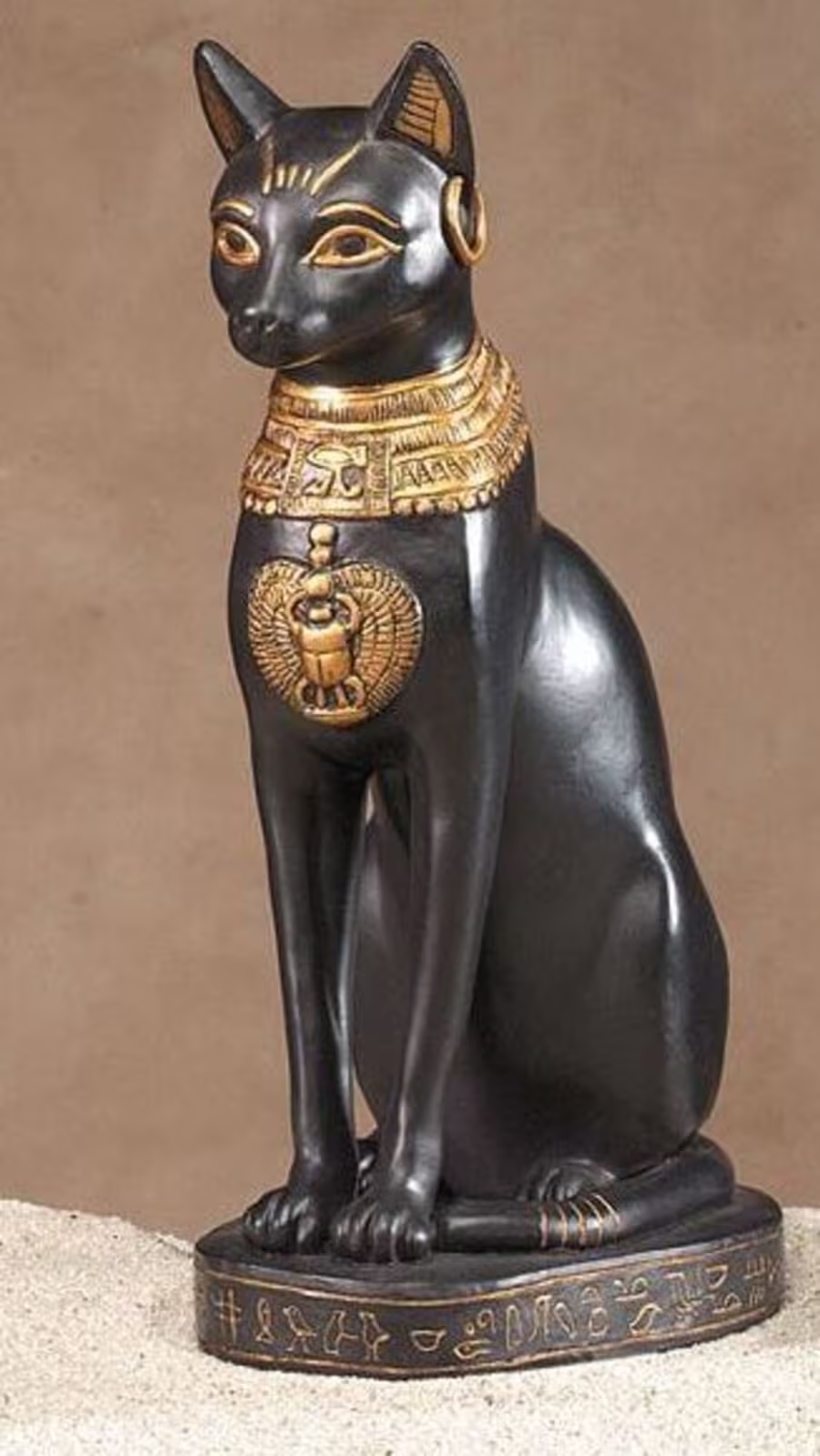
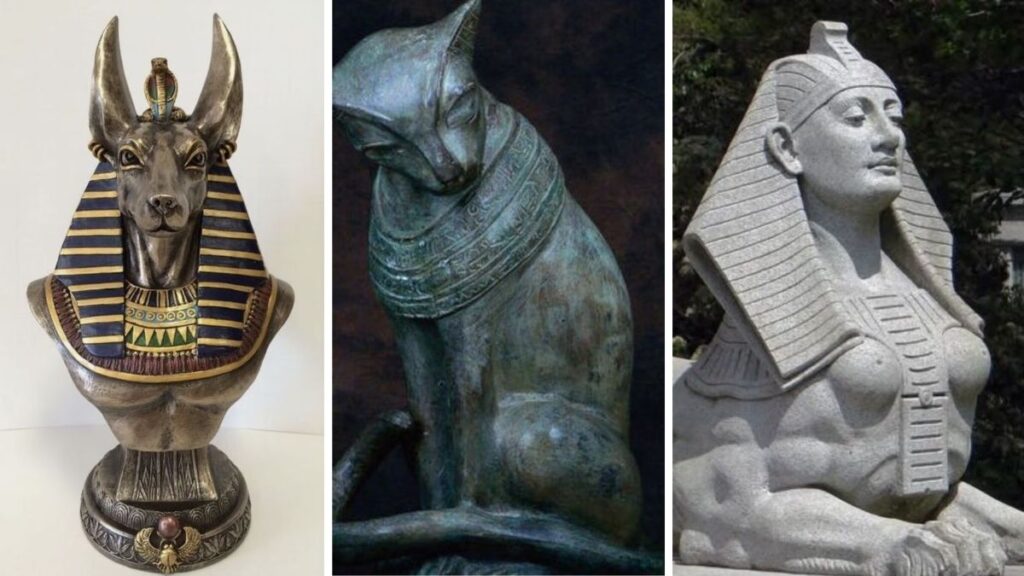
Few animals were as symbolically charged as cats in ancient Egypt. By the second millennium BCE, cats were closely associated with the goddess Bastet, linked to protection, fertility, and domestic harmony.
Mummified cats, temple dedications, and wall paintings show that cats were not only revered but actively protected by law. Their practical role as rodent hunters further strengthened their importance in grain-dependent societies along the Nile.
Why they mattered:
Cats blurred the line between the sacred and the everyday, embodying how religion and domestic life overlapped in ancient cultures.
4. Dogs: Companions, Guardians, and Mythic Figures
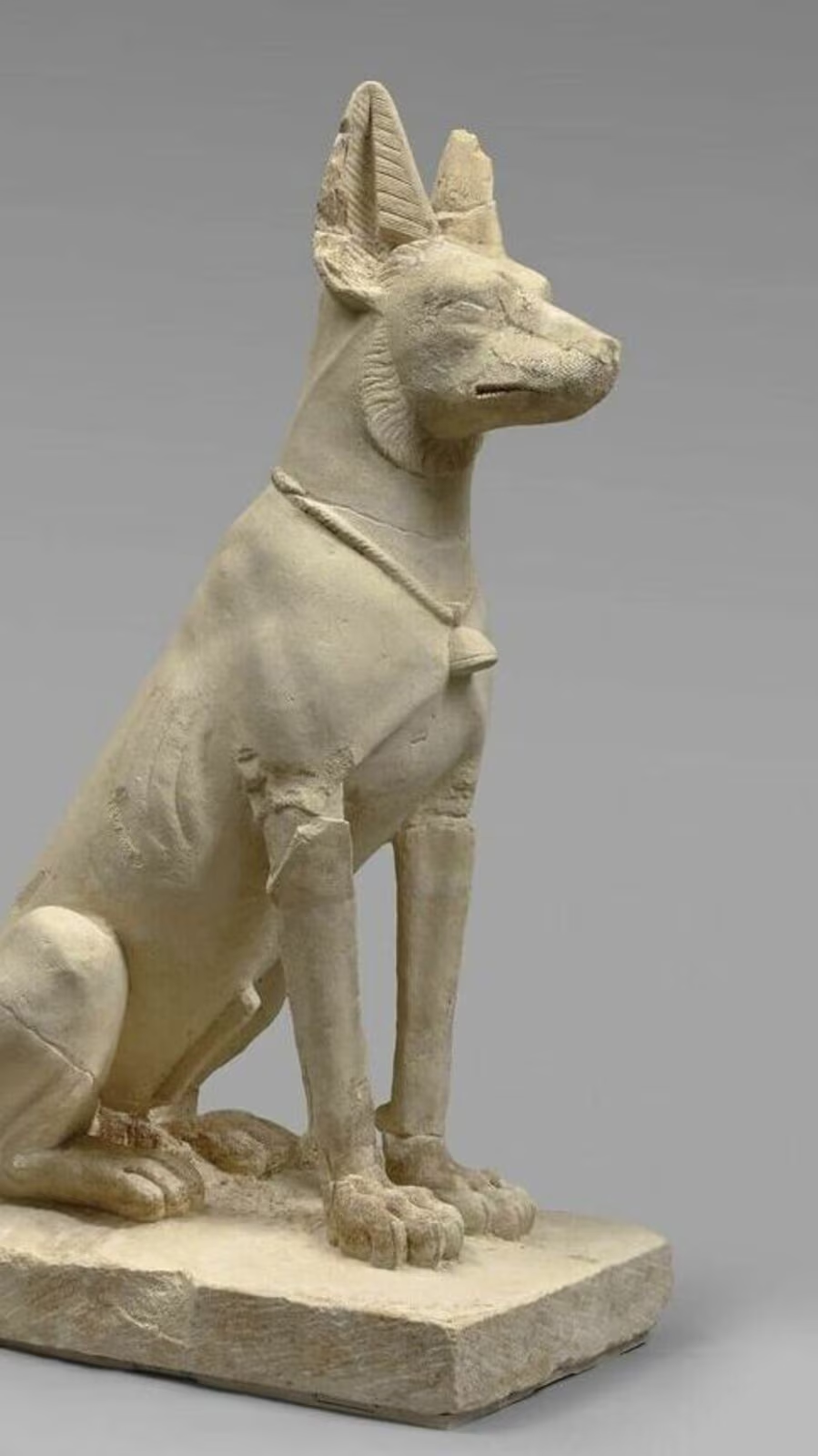
Dogs were among the earliest domesticated animals, with evidence of close human relationships dating back more than 14,000 years. In ancient Greece and Rome, dogs served as guards, hunting partners, and household companions.
They also held symbolic roles. In Greek mythology, dogs appear as guardians of the underworld (Cerberus) and loyal companions of heroes. Roman mosaics famously warned visitors with Cave Canem (“Beware of the dog”).
Why they mattered:
Dogs reflect the emotional and practical bonds between humans and animals, combining utility with companionship.

5. Falcons: Symbols of Kingship and the Sky

In ancient Egypt, falcons were closely associated with Horus, the sky god and divine protector of kingship. Falcon imagery appears widely in hieroglyphs, statuary, and royal iconography from the Early Dynastic period onward.
The bird’s sharp vision and commanding presence in the sky made it a powerful metaphor for divine oversight and royal legitimacy.
Why they mattered:
Falcons linked political authority to cosmic order, reinforcing the idea that rulers governed with divine sanction.
Animals and Ancient Civilizations: A Broader Pattern
Across cultures, animals served three overlapping roles:
Economic (transport, labor, hunting)
Symbolic (religion, identity, power)
Social (companionship, protection)

Their treatment reveals how ancient societies understood nature — not as separate from humanity, but deeply interconnected with it.
What We Know vs. What’s Uncertain
What we know
Archaeology confirms widespread use of animals in trade, warfare, and ritual
Artistic and textual sources document symbolic meanings
Domestication timelines are increasingly refined through genetics
What remains uncertain
Exactly when camels became widespread in some regions
The true battlefield effectiveness of war elephants
How religious symbolism varied between local communities

Why This History Still Matters
Understanding how animals shaped ancient civilizations helps explain the foundations of economy, religion, and power in the human past. These relationships influenced settlement patterns, belief systems, and even the rise of empires — legacies that continue to echo today.