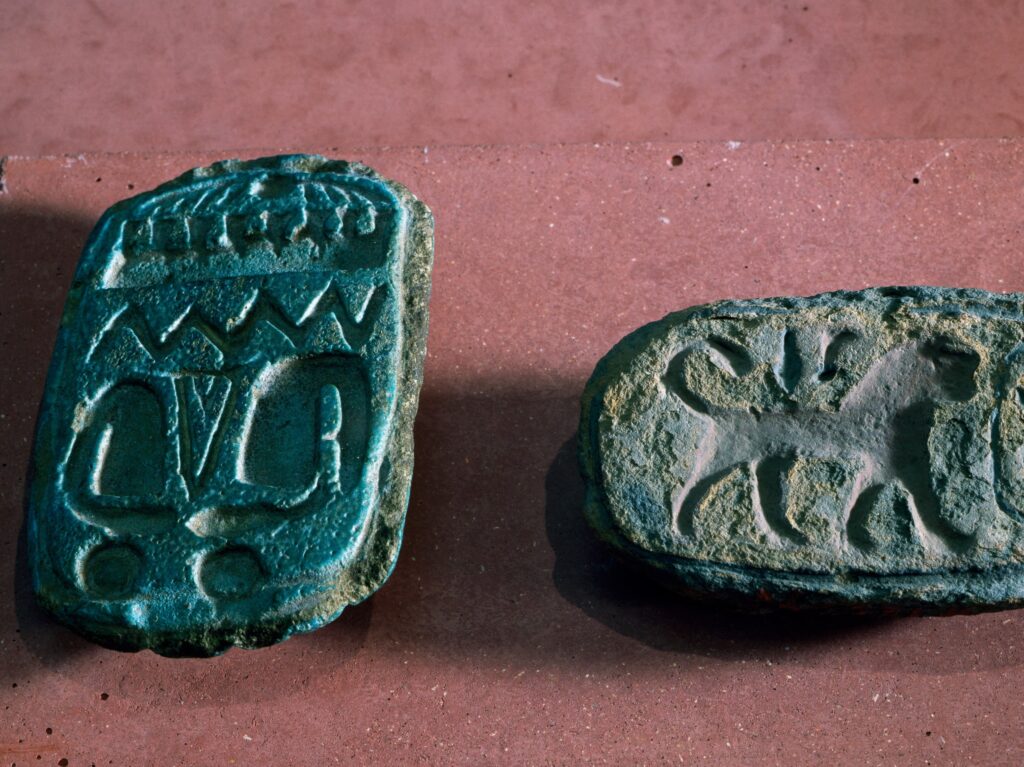
Imagine holding a 7,500-year-old object that was someone’s personal signature. A mark of their identity, their property, their word.
This isn’t a crude tool for survival. It’s a tool for society.
Archaeologists in eastern Türkiye have unearthed a stone seal so revolutionary it forces us to tear up the textbook chapter on “primitive Neolithic life.” Found at the ancient site of Tadım Fortress, this intricate artifact predates the Pyramids of Giza by over 3,000 years. It predates Stonehenge. It predates the very concept of writing.
Its discovery whispers a mind-blowing truth: complex social organization, personal identity, and structured trade did not begin with the great empires of Mesopotamia or Egypt. They were born far earlier, in the quiet highlands of Anatolia, in the hands of a people whose sophistication we are only beginning to comprehend.
This is the story of a forgotten era of administrators, traders, and property owners. A time when society was already inventing the rules that would build our modern world.
The Astonishing Find: More Than Just a Rock
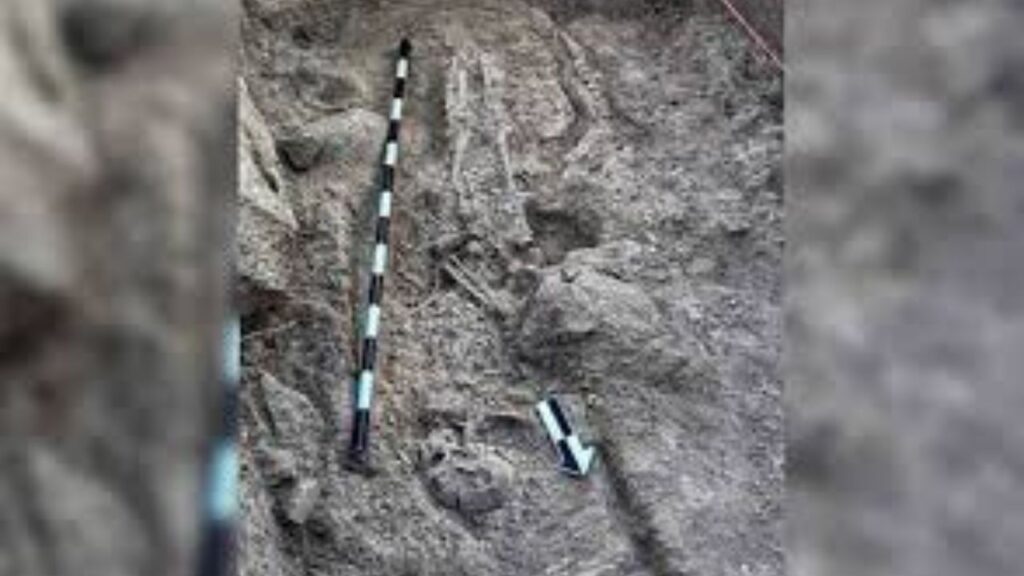
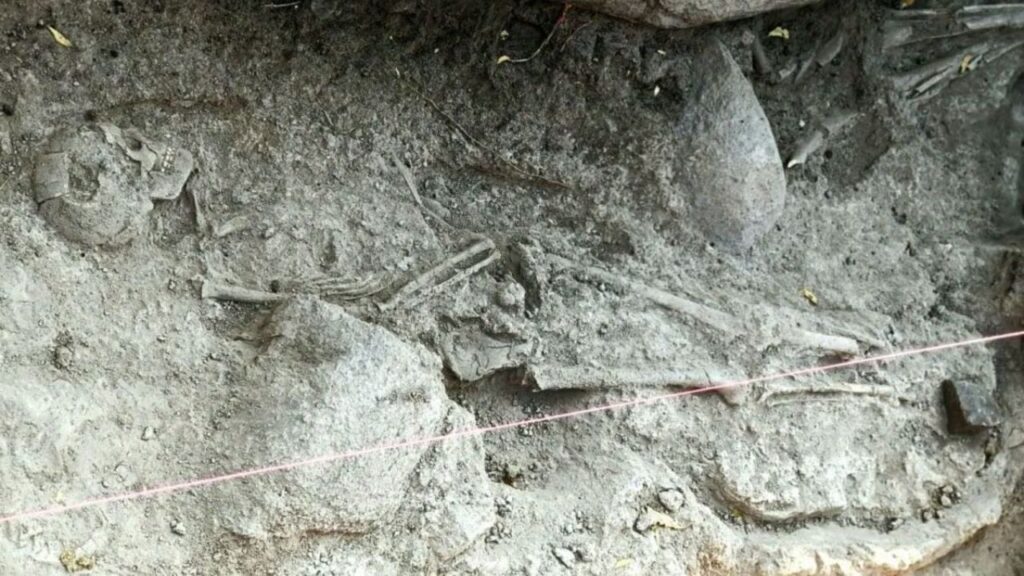
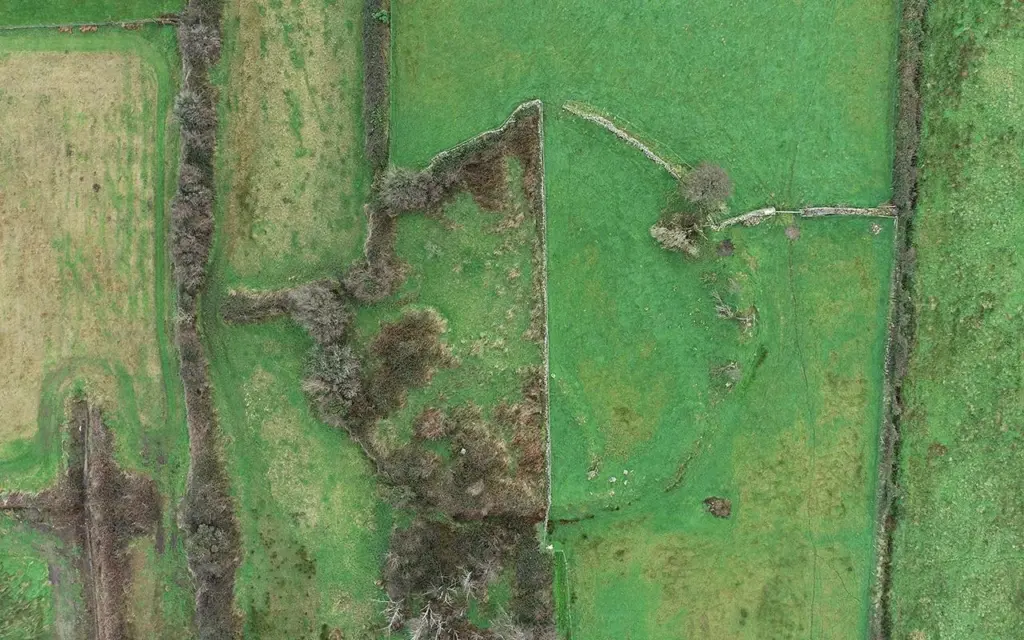
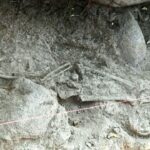
The seal was not found in isolation. It emerged from the deeply layered earth of Tadım Fortress, a site that acts like a historical layer cake. Here, Ottoman, Seljuk, Roman, and Byzantine remains sit atop much older, more mysterious foundations.
The excavation, a meticulous project led by the Elazığ Museum and Turkey’s Ministry of Culture, is peeling back these layers. Their target is not the glorious empires on top, but the shadowy civilizations at the bottom.
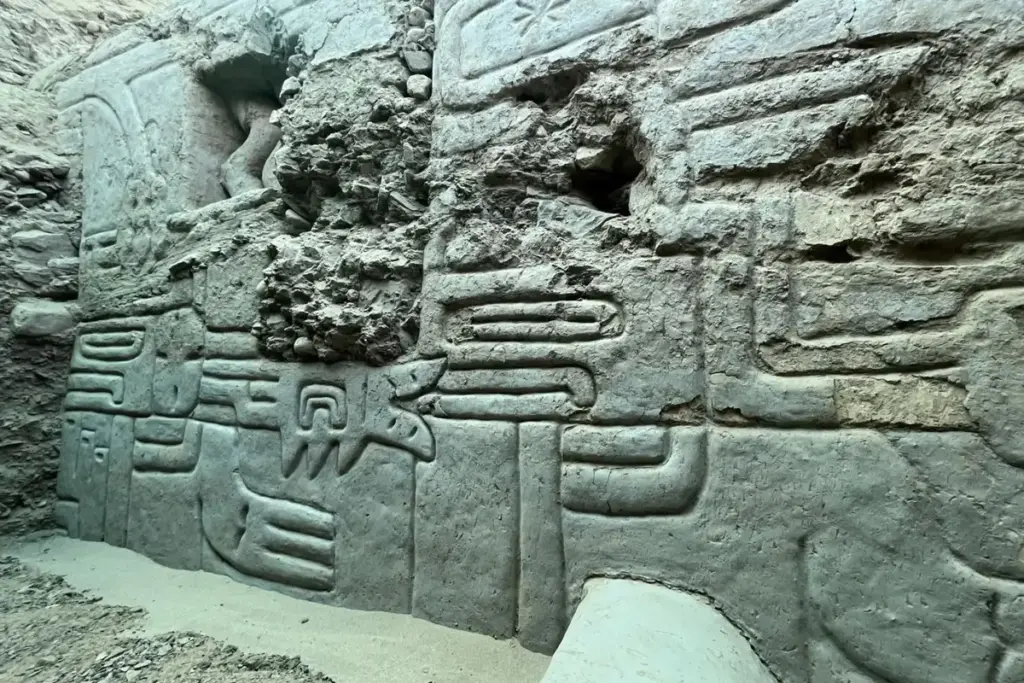
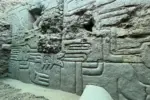
The stone seal is their most profound prize yet. Carved with deliberate, geometric precision, it is small enough to fit in a palm. Its purpose is instantly recognizable to any historian: it was made to be pressed into clay or wax. To leave a mark. To communicate ownership or authority.
This simple act of stamping represents a quantum leap in human cognitive development. It signifies abstract thought, the concept of the individual versus the community, and the need for a system beyond mere memory.
A Signature in the Stone: What the Seal Reveals
The seal’s implications are earth-shattering. Let’s break down what this tiny object tells us.
First, it speaks of “property.” An individual or a family unit had possessions important enough to label. This could be a storage jar of grain, a woven basket, or a clay tablet recording a transaction. It moves beyond communal living into the realm of personal wealth.
Second, it hints at “identity.” The unique pattern carved on its face may have been a personal emblem. Think of it as the world’s oldest known logo or signature. In a pre-literate world, this symbol was a person’s name and their bond.
Third, it suggests “administration.” Marking goods implies systems of storage, trade, and distribution. It suggests a society complex enough to need record-keeping, even in its most rudimentary, symbolic form.
This was not a society merely focused on subsistence. It was a society building the frameworks of economy and law.
The Global Context: A Neolithic Powerhouse
To understand this seal’s true power, we must zoom out. For decades, the “Cradle of Civilization” was narrowly defined by the river valleys of the Tigris-Euphrates and the Nile.
This discovery in the Anatolian highlands violently expands that map. Tadım Fortress is proving to be a nexus of astonishingly early cultural advancement.
The seal is not a freakish outlier. It is part of a stunning constellation of finds that paint a picture of a vibrant, ritualistic, and organized community.
The Sacred and the Profane: A Complete Society Uncovered
Just steps from where the seal was found, archaeologists uncovered a 6,000-year-old temple. This structure, dating to the Late Chalcolithic period, features a stone altar with a chilling blood channel.
Cut marks and remains tell a story of ritual sacrifice. This reveals a profound spiritual life running parallel to economic development.
Furthermore, other seal stamps found nearby, locally called ‘cec damga muhru’, are known to have been used specifically in agricultural trade, likely to mark quantities or qualities of grain.
The pieces of the puzzle lock together. We see a society with:
A Structured Economy: Seals for trade and property.
A Complex Spiritual Life: Temples, altars, and ritual sacrifice.
Advanced Craftsmanship: Intricately carved stone seals and double-headed hearths.
Long-Distance Awareness: Their very location placed them on ancient routes, absorbing and influencing ideas.
This was not a backwater. It was a Neolithic powerhouse. As Governor Numan Hatipoğlu stated, the region developed sophisticated practices that directly influenced later civilizations, like the mighty Kingdom of Urartu that would rise in the same area millennia later.
Global Implications: Rewriting the Human Story
The Tadım Fortress seal is a key that unlocks a new understanding of humanity’s journey. Its global significance is monumental.
It shatters the timeline of social complexity. We can no longer claim that advanced social organization began with the first cities in Sumer around 4000 BCE. The blueprint was being drafted over 3,000 years earlier, in places we barely considered.
It elevates Anatolia’s role. Türkiye is not just a bridge between continents. It is now a confirmed wellspring of some of humanity’s most foundational ideas about property, identity, and social contract.
It connects ritual and economy. The coexistence of the temple and the trade seal at one site shows these forces developed in tandem. Spiritual belief and economic organization were two sides of the same coin in building a stable society.
This find forces a paradigm shift. We must now look at the Neolithic period not as a simple “Stone Age” prelude, but as a dynamic, innovative, and surprisingly administrative era where the seeds of civilization were first sown.
What This Means for History
History is not just about kings and conquests. It is about the quiet invention of the systems that make kings and conquests possible.
The 7,500-year-old seal from Tadım is evidence of one of the most important inventions of all: the system of trust beyond the tribe.
By creating a personal mark, these ancient Anatolians were building a framework for a larger, more interconnected world. They were inventing the precursor to contracts, to deeds, to currency, to written language itself.
It proves that the human drive to organize, to identify, and to trade is far more ancient and innate than we ever imagined. Our ancestors were not just surviving. They were building a civilization, one tiny, stamped impression at a time.
5 In-Depth FAQs
1. How was the seal discovered?
The seal was found during a systematic, government-supported archaeological excavation at Tadım Fortress in Elazığ, Türkiye. The dig, focused on uncovering the deepest, oldest layers of the site, carefully removed centuries of debris from later empires (Ottoman, Roman, etc.) to reveal the Neolithic settlement beneath.
2. What exactly is the seal made of, and how was it used?
The seal is crafted from stone, meticulously carved with a unique geometric design. It would have been pressed into soft clay or wax to create an impression. This impression could seal a container (like a jar of grain), mark a lump of clay securing a door, or denote ownership on a clay “tag.”
3. Why is this seal so much more significant than a tool or weapon?
Tools and weapons speak to physical survival. A personal seal speaks to social and economic survival. It represents abstract concepts like individual identity, property rights, and contractual agreements. It is a fossil of early human thought and social complexity.
4. How does this change the relationship between ancient Anatolia and Mesopotamia?
Instead of viewing Mesopotamia as a sole “cradle” that inspired its neighbors, this suggests advanced social concepts were developing independently and concurrently across a wider region. Anatolia may have been a peer innovation center, contributing its own ideas to the later flowering of Mesopotamian civilization.
5. What happens next with the seal and the site?
The seal is now undergoing detailed analysis and preservation at the Elazığ Archaeology and Ethnography Museum. Excavations at Tadım Fortress are ongoing. Each season promises to go deeper, potentially revealing even older layers and artifacts that will further refine our stunning new picture of Neolithic advancement.