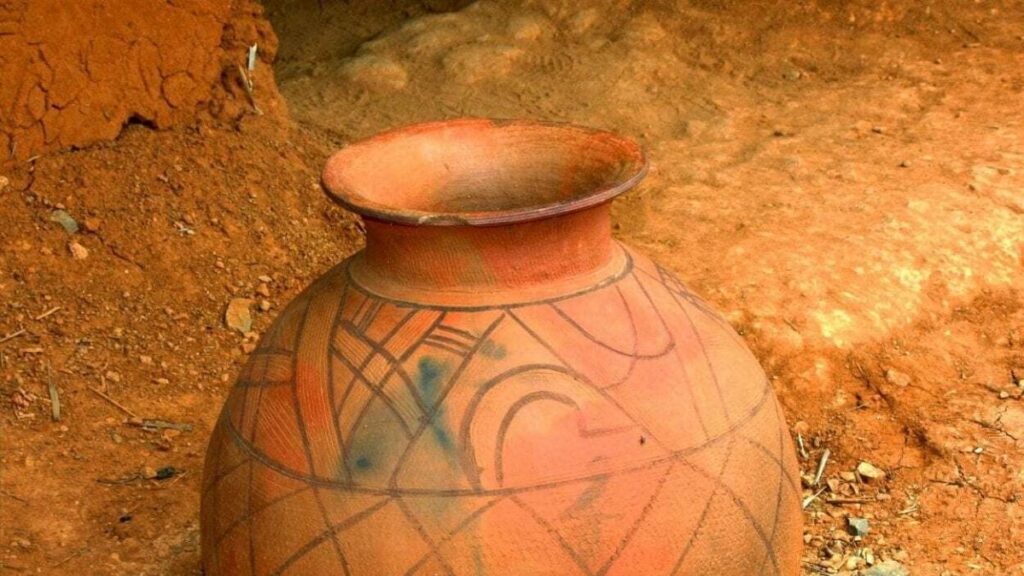
In the quiet pasturelands of Devari village, a pair of discarded slippers and a scattering of fresh rose petals did not signal love. They signaled a mystery.
Villagers feared the worst—a buried body, a dark ritual. What excavators pulled from a 10-foot pit, however, was far stranger and heavier. A colossal, sealed metal vessel, ancient and imposing.
Now, under armed guard in a government treasury, it sits unopened. Its contents are a national secret, protected by a colonial-era Treasure Act. Is it a royal hoard? A ritual offering? Or something entirely unforeseen?
This is not just a local curiosity. It is a live archaeological event, unfolding in real-time under the watchful eyes of police, administrators, and a captivated public.
The Astonishing Discovery
The Scene of the Unease
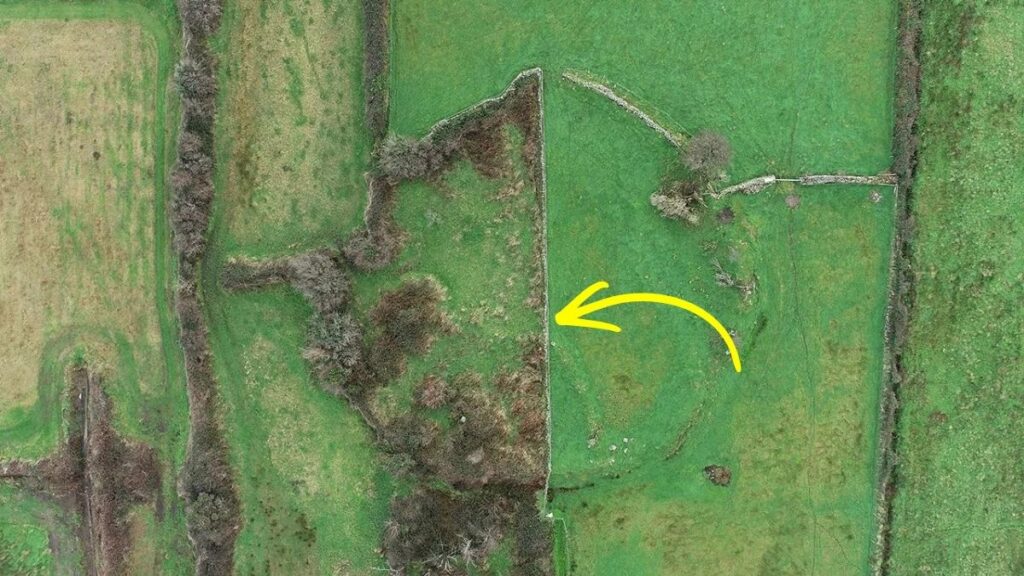
The mystery began with unsettling signs. In the grazing fields of Rajasthan’s Tonk district, villagers found a scene that chilled the blood.
Fresh rose petals were strewn about. A lone pair of slippers lay abandoned. Deep tyre marks from a heavy vehicle scarred the earth. The air was thick with suspicion.
Fearing a crime or occult activity, locals alerted authorities. The police and district administration arrived, their minds on forensic recovery, not history.
The Dig Reveals a Shock
Under official supervision, a JCB excavator bit into the earth. It dug down nearly 10 feet, following the sinister clues.
But instead of human remains, its scoop struck metal. A giant, pot-shaped vessel—a deg—was unearthed. The object was monumental.
It weighed between 100 and 150 kilograms. It stood two feet high and was over a foot and a half wide. This was no ordinary pot. It was a deliberately buried, heavily sealed container.
The narrative shifted instantly from criminal investigation to potential historical event.
The Official Response: A Protocol of Secrecy
Sealed in the Treasury
Recognizing the potential significance, officials enacted a precise protocol. Under full videography, the vessel was extracted.
It was transported under police escort to the sub-treasury office in Niwai. There, in the presence of the Additional District Collector and the Superintendent of Police, it was formally sealed.
It now resides in a government vault. Its security is paramount. Its contents are a state secret until the proper authorities arrive.
A Dual Investigation Launches
Two parallel probes are now underway. The police, led by SP Rajesh Kumar Meena, are investigating the cryptic circumstances of the burial.
Who left the rose petals and slippers? Was it a tantric ritual? The occult angle is being actively pursued by a special police team.
Simultaneously, the administration has formally invoked the Indian Treasure Trove Act, 1878. This law strictly governs the discovery of any valuables or artefacts buried in the earth.
All actions now await the definitive authority: the Rajasthan State Archaeology Department.
Deep Dive: The Historical Possibilities
A Treasure of the Rajputs?
Tonk district lies in a region steeped in Rajput history. The area witnessed the ebb and flow of kingdoms like the Chauhans and later the Nawabs of Tonk.
Historical precedent is powerful. Across India, hidden hoards of coins, jewels, and weapons from eras of instability have been unearthed. This vessel could be a “gupt dhan” (secret wealth) hidden during a time of invasion or conflict.
Its size suggests it could hold thousands of coins, gold ornaments, or royal regalia.
A Ritual Kumbha of Immense Scale
The vessel’s form—a deg or kumbh—is deeply symbolic in Hindu and Jain rituals. Such vessels are used for sacred offerings, consecrations, or as foundation deposits.
Burying a sealed, metal kumbha is a known practice for temple consecrations or to mark the establishment of a settlement. The rose petals could be a modern, misguided attempt to tap into this ancient spiritual power.
The contents may not be gold, but sacred items: inscribed plaques, religious icons, grains, herbs, or manuscripts sealed in metal casings for eternity.
A Funerary Urn of a Noble
While initially ruled out, the funerary possibility cannot be entirely dismissed for an object of this scale. In certain ancient cultures, the ashes of the elite were interred with grave goods in large metal urns.
This would be a rare, but not impossible, find for the region. It would be an archaeological sensation of a different kind.
Global Implications & The Waiting Game
Why the Treasure Trove Act Matters
This is not a free-for-all. The Indian Treasure Trove Act ensures that any discovery becomes property of the state. It mandates a formal process to protect the find from looters and claim-jumpers.
It also ensures that if treasure is found, the finder and landowner may be eligible for compensation. This legal framework turns a chaotic event into a controlled, scientific process.
It is a model for how modern nations can manage sudden, potentially priceless discoveries.
The World Watches and Waits
The archaeology team’s arrival is imminent. Their procedure will be meticulous. They will X-ray or CT-scan the vessel if possible before opening it.
They will document every step to preserve the archaeological context. The moment of opening will be a carefully choreographed unveiling of history.
The global community of historians and archaeologists awaits their report. This single vessel could provide tangible data on trade, metallurgy, ritual, or political history in a historically significant corridor of India.
What This Means for History
The Devari vessel is a perfect metaphor for history itself. Buried under layers of rumor and fear, its truth is sealed, waiting for the right key.
Whether it holds gold coins or sacred ashes, its value is immense. It is a direct message from the past, delivered unexpectedly into the present.
Its discovery highlights the thin veil between modern life and ancient secrets. In a farmer’s field, under marks of contemporary ritual, lay a object of profound age and weight.
It reminds us that history is not always found in planned excavations. Sometimes, it erupts into the present, guarded by roses and rumors, waiting for its story to be told.
In-Depth FAQs
1. What is the Indian Treasure Trove Act, 1878?
It is a law governing the discovery of any valuables (coin, bullion, jewellery, etc.) hidden in the earth where the owner is unknown. It requires the finder to report the discovery to the government, which then takes custody and determines its disposition.
2. Why can’t they just open the pot now?
To preserve archaeological integrity and legal procedure. Opening it without experts could damage contents, destroy contextual clues, and violate the legal process that determines ownership and compensation. It must be done scientifically.
3. What’s the most likely content, historically speaking?
Statistically, based on similar finds in Rajasthan, a mixed hoard of silver and copper coins from the medieval period (possibly Mughal or Rajput) is a strong possibility. A ritual deposit of symbolic items is the second-most likely scenario.
4. What role does the occult (Tantra) angle play?
It’s a vital part of the modern story. The rose petals and slippers suggest someone recently identified the spot as spiritually potent and may have attempted a ritual to access the “power” or treasure they believed was buried there. It shows the living folk beliefs surrounding such sites.
5. What’s the next immediate step?
The Rajasthan Archaeology Department’s team will travel to Niwai. They will first examine the external vessel, then likely move it to a secured laboratory setting. Using non-invasive methods like scanning, they will decide on the opening protocol. The world will know only after their official report.