
Imagine a sacred mound, a place of prayer for generations. Now, imagine peeling back the stone floor of that ancient temple only to find another, older altar staring back. This isn’t a theoretical puzzle. It’s the breathtaking reality on Kuwait’s Failaka Island.
Archaeologists have done more than find a relic. They have uncovered a profound continuity—two successive temples from the legendary Dilmun civilization, stacked in time like chapters in a stone book. This discovery shatters the perception of the ancient Gulf as merely a trade corridor.
It reveals a region of deep spiritual life, architectural ambition, and enduring cultural identity. The sand of Failaka is giving up secrets that force us to rewrite the story of human civilization around the Arabian Peninsula.
The Astonishing Find: A Sacred Mound’s Hidden Core
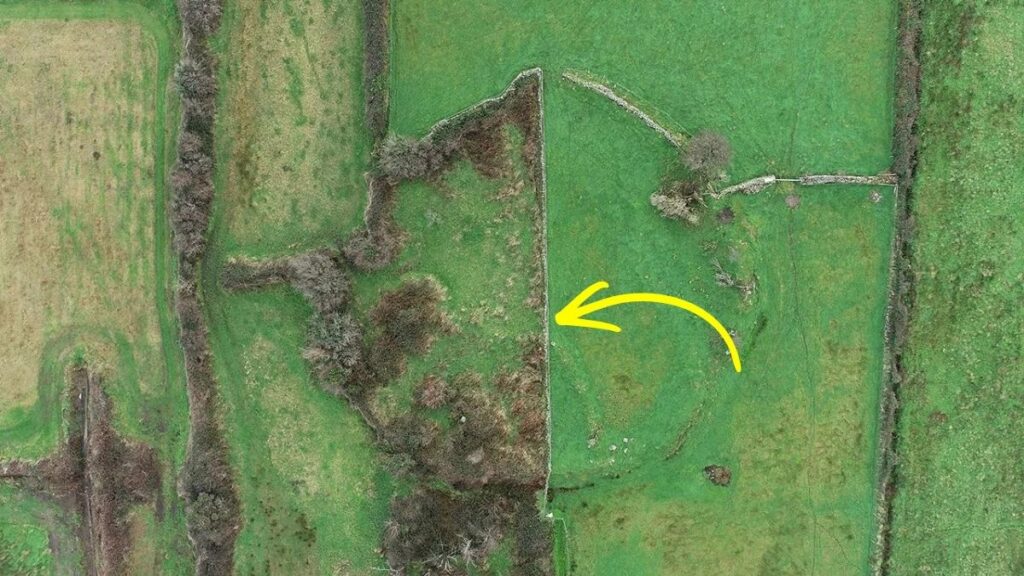
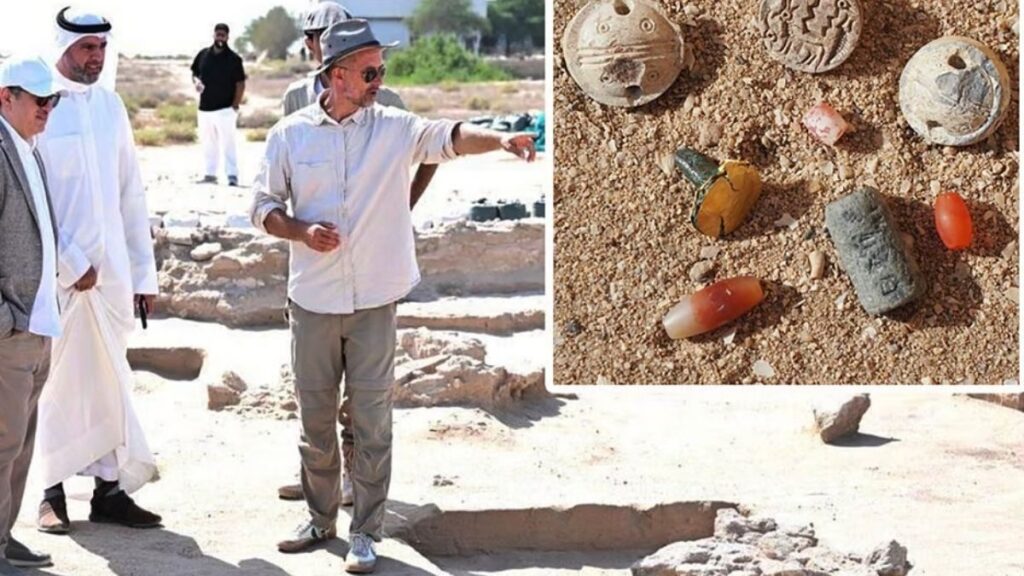
The discovery is a masterstroke of modern archaeology. A joint Kuwaiti-Danish team, led by the Moesgaard Museum, focused on a mound known as Tel (F6). This was no random dig.
Previous seasons had revealed the outline of a compact, square temple from around 1900 BCE. It was a significant find—a 11×11 meter testament to Dilmun’s presence. But the 2025 season yielded a mind-blowing revelation.
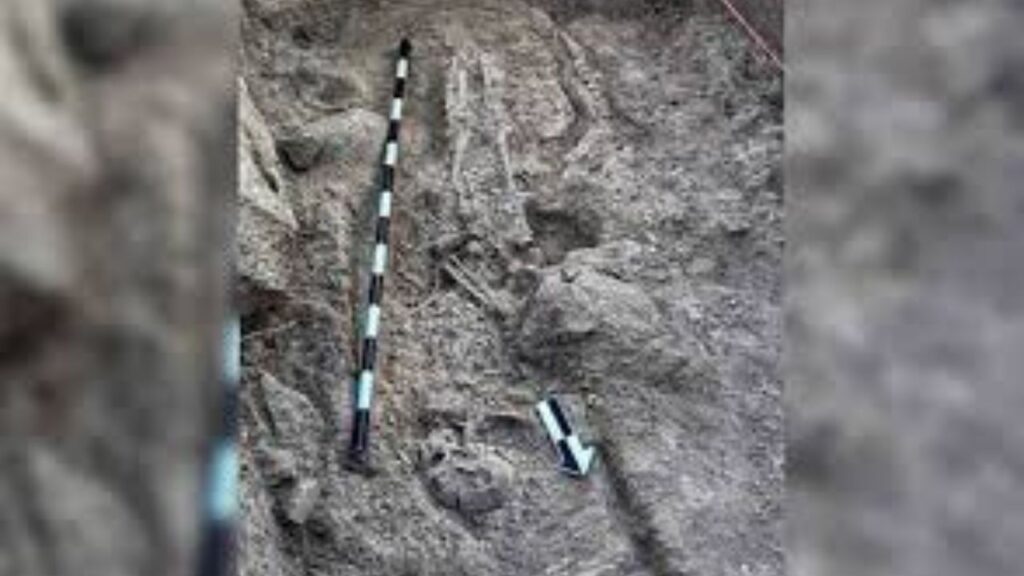
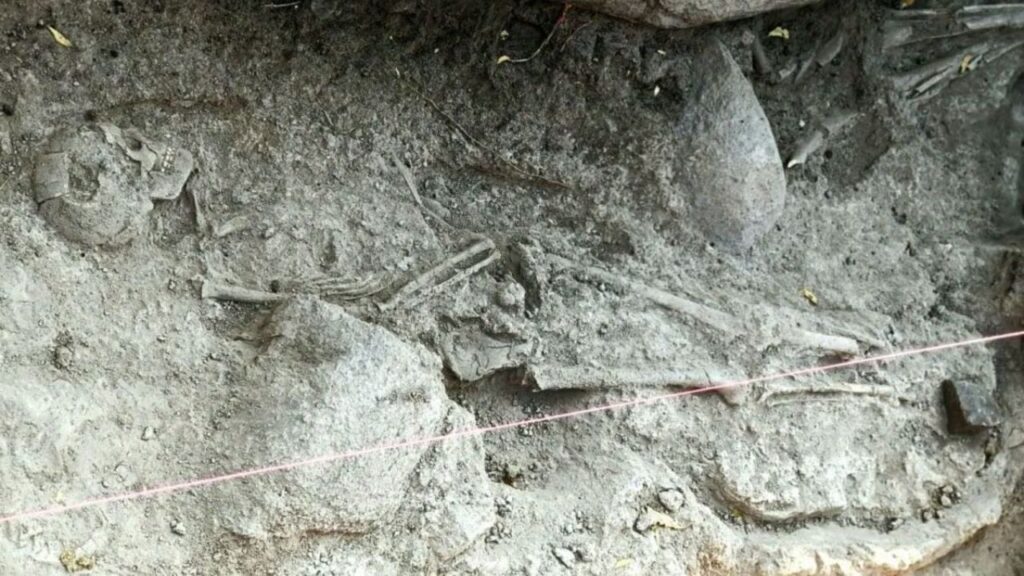
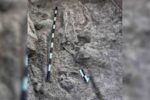
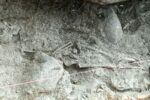
Beneath those foundational walls lay another, older set of foundations. The team had found two distinct temples from the early Dilmun period, constructed one atop the other within a span of roughly 100 years.
This is a singular achievement in Kuwait’s history. Dr. Hasan Ashkanani of Kuwait University calls it just that. It’s a rare archaeological snapshot of architectural evolution and unwavering sacred significance at a single site.
What the Temples Reveal: Failaka as a Religious Capital
The implications are revolutionary. The presence of two stacked temples transforms our understanding of Failaka’s role. This was not a peripheral outpost.
It was a major religious and administrative hub of the Dilmun kingdom. With this twin discovery, the number of known early Dilmun temples in southwestern Failaka rises to four.
This concentration of sacred architecture points to a vibrant ritual landscape. Think of processions, seasonal festivals, and a community of priests. Seals and pottery found within the structures confirm their use and period.
They offer direct insight into the religious rituals of a civilization that thrived during the Bronze Age. The development visible between the two temple layers shows a society refining its architectural and spiritual expression over time.
The Dilmun Dynasty: Beyond Merchants and Myths
The Dilmun civilization has long been shrouded in both history and legend. Ancient Mesopotamian texts praised it as a “pure” and “sacred” land, a potential inspiration for myths of paradise.
Historians have recognized its crucial role as a Bronze Age trading nexus, linking Mesopotamia with the Indus Valley. The discoveries at Failaka add a critical, missing dimension: domestic grandeur.
We now see that Dilmun was not just a string of ports and warehouses. It had its own sophisticated architectural language and complex ritual life. Sites like Failaka, Al-Khadr Port, and Tel Saad formed a network of nodes in a thriving kingdom.
The investment in building, and then rebuilding, a temple on the same hallowed ground speaks to a powerful, centralized tradition and a deep connection to place. This was a society building for its gods and for its own legacy.
A Gulf-Wide Awakening: Collaboration in the Sand
This breakthrough is part of a larger regional renaissance. The symposium in Bahrain, where Kuwaiti experts presented these findings, underscores a new chapter in Gulf archaeology.
NCCAL’s Mohammad bin Redha frames antiquities as a “cornerstone for national identity and a bridge for cultural dialogue.” This philosophy is now driving action across borders.
Kuwaiti specialists presented diverse research. Dr. Sultan Al-Duwaish discussed Neolithic Ubaid remains at Subiya, pushing Kuwait’s human timeline back even further. Dr. Ashkanani presented on using radiometric analysis on pre-Dilmun pottery.
This marriage of cutting-edge science—like radiometric dating—with traditional excavation is key. It allows for precise timelines and deeper understanding of trade and cultural exchange. The symposium’s recommendations champion this integrated, tech-forward, and collaborative future.
Global Implications: Re-mapping the Bronze Age World
Failaka’s twin temples send ripples far beyond the Gulf. They force a recalibration of the Bronze Age world map. Major civilizations are often defined by their monumental cultic architecture—the ziggurats of Mesopotamia, the great temples of the Indus Valley.
Dilmun now firmly claims its place among them with its own distinctive temple complex. This discovery challenges a Eurocentric or Mesopotamia-focused narrative.
It highlights the Gulf as an active, innovative center of cultural production. The sophisticated understanding of space, continuity, and ritual evident at Failaka shows a parallel development of complex society.
It proves that the pathways of commerce were also pathways of ideas, faith, and architectural innovation.
What This Means for History: The Layers of Identity
The story of the two temples is ultimately a story about layered identity. It shows a civilization so committed to a sacred location that it built upon its own foundations, literally and spiritually.
For modern Kuwait and the Gulf region, these discoveries provide an undeniable depth of historical roots. They are tangible anchors in a deep past that predates oil, pearling, and even Islam.
They foster national pride and provide a powerful tool for education. As Bin Redha states, the goal is to “safeguard its civilisational heritage for future generations.”
This is not just about preservation. It is about activation—using these sites to tell a richer, more complex story of human achievement in Arabia.
The sand has spoken. It tells of a glorious, devout, and interconnected Dilmun kingdom. And with each carefully brushed stone on Failaka, that story becomes ever more clear.

In-Depth FAQs
1. Who were the Dilmun people, and why are they important?
The Dilmun were a Bronze Age civilization centered on the islands of Bahrain and Failaka, with influence along the eastern Arabian coast. They were famed in Mesopotamian texts as wealthy traders and a “sacred land.” They controlled the vital maritime trade routes between Mesopotamia (modern Iraq) and the Indus Valley (Pakistan/India), dealing in copper, ivory, pearls, and precious stones. They developed their own writing system, seals, and distinctive burial mounds.
2. Why is finding one temple built directly atop another so significant?
This “vertical stratigraphy” is an archaeologist’s dream. It provides a perfectly clear chronological sequence, showing architectural evolution at a single, continuously sacred site. It demonstrates remarkable cultural stability and a powerful religious tradition that insisted on maintaining the sanctity of a specific location for centuries. The changes between the two structures can teach us about shifts in ritual practice, construction technology, and social organization.
3. What does this discovery tell us about Failaka Island’s role?
Failaka was far more than a waystation for merchants. The concentration of at least four early Dilmun temples in one area confirms it was a major cultic and administrative center. It was likely a destination for pilgrims and a seat of regional power, playing a key role in the spiritual and political life of the Dilmun kingdom, alongside its more famous counterpart in Bahrain.
4. How is modern technology like “radiometric analysis” changing Gulf archaeology?
Techniques like radiocarbon dating and thermoluminescence allow scientists to date organic materials (like charcoal in a hearth) or pottery with incredible precision. This moves archaeology beyond relative dating (this layer is older than that one) to provide absolute calendar dates. This is crucial for building accurate timelines, understanding trade (by pinpointing where and when objects were made), and sequencing the development of sites like the Failaka temples.
5. What are the next steps for the Failaka site and Kuwait’s heritage?
The immediate steps involve detailed documentation, conservation of the exposed structures, and full laboratory analysis of all recovered artifacts. The long-term vision, as outlined by NCCAL, includes sustainable site management, developing public access and interpretation (such as signage or a visitor center), and integrating Failaka’s story into national and international narratives. The ultimate goal is to preserve the site while making it a source of knowledge and pride for the public.