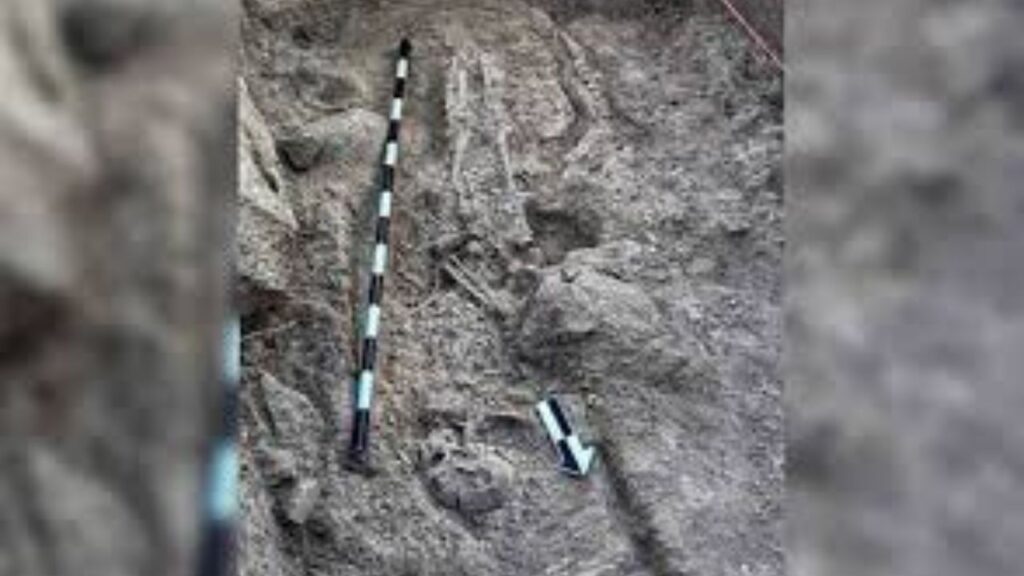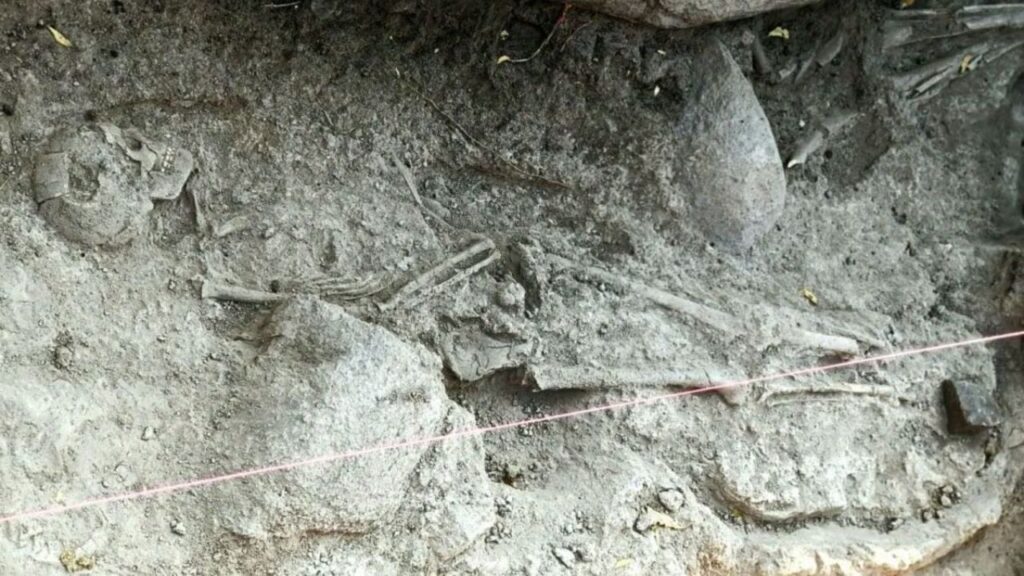
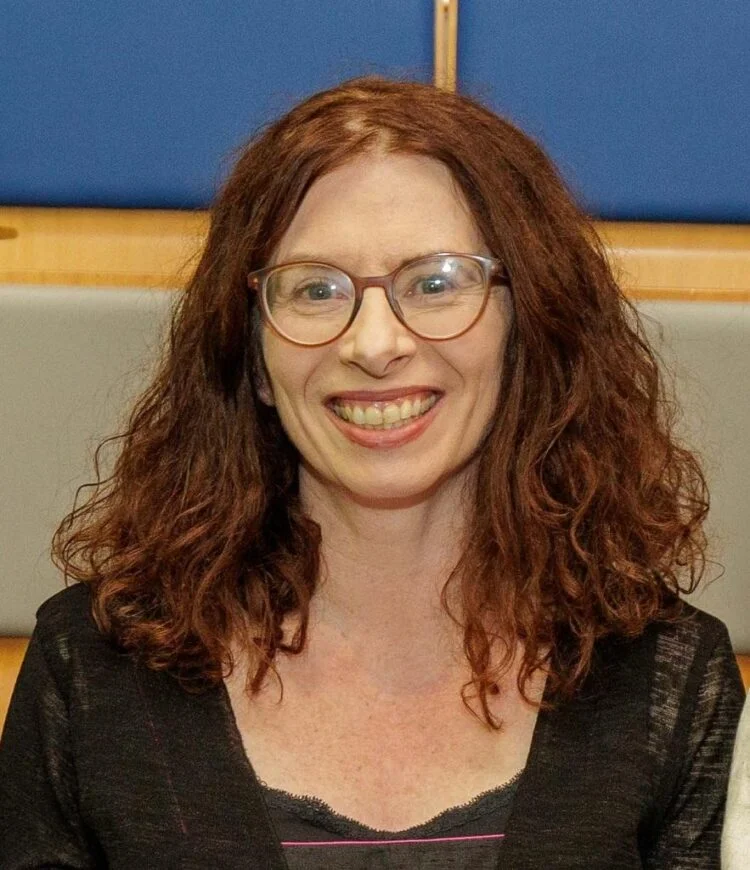
A new archaeological study is bringing long-overlooked burial sites in Ireland back into public awareness. Research led by Marion Dowd, an archaeologist at Atlantic Technological University, has identified dozens of previously undocumented cillíní—burial grounds used for infants who were stillborn, miscarried, or died at birth without baptism.
Published in the Journal of Irish Archaeology (Volume XXXIV, 2025), the study combines archaeology, folklore, and historical mapping to uncover burial places that had faded from official records but survived in local memory.
What Are Cillíní and Why Were They Used?
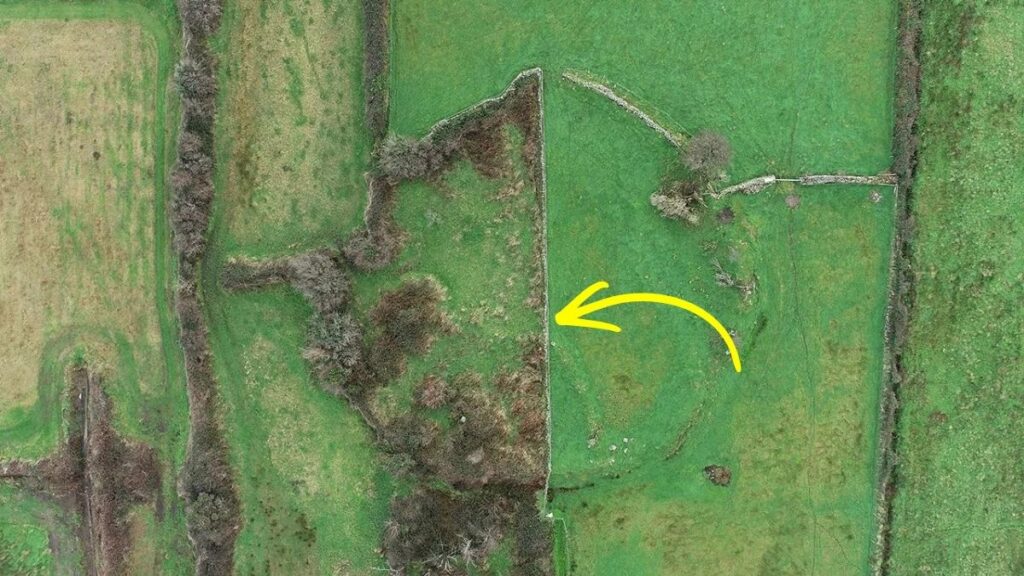
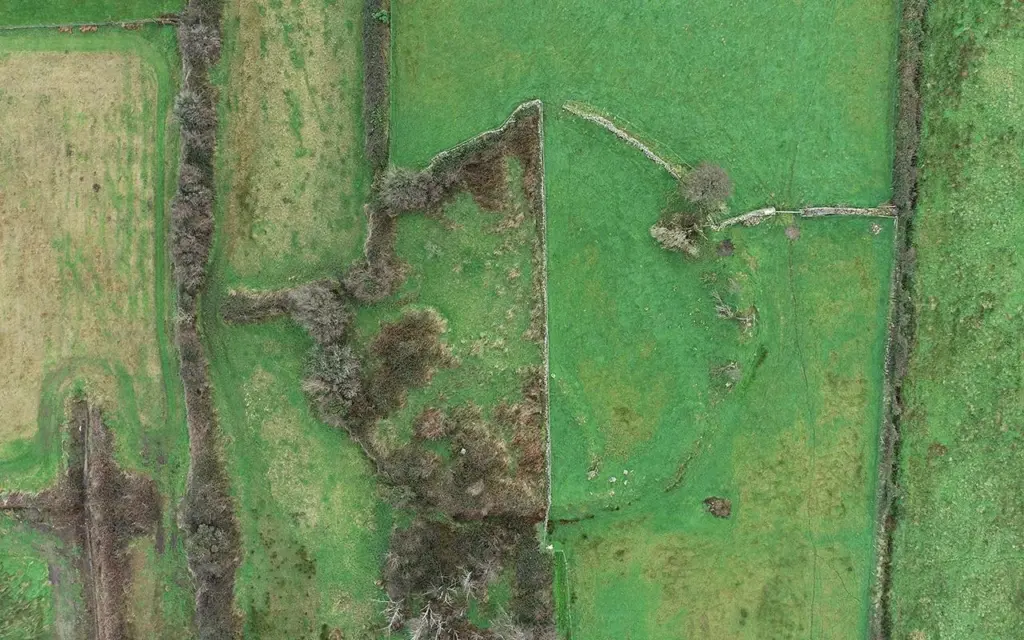
Cillíní were informal burial grounds used in Ireland for centuries, particularly for infants who could not be buried in consecrated churchyards due to religious rules surrounding baptism. These sites were often located on marginal land—at field edges, near holy wells, at crossroads, on islands, or within ancient structures such as ringforts.
Because cillíní lay outside formal religious and civic oversight, many were never officially recorded. Over time, their locations were forgotten, misidentified, or erased by farming, development, and natural landscape changes.
Folklore Unlocks Hidden Burial Sites
Dowd’s research reviewed more than 350 accounts from the National Folklore Collection Schools Archive, comparing oral histories with archaeological evidence and historic maps. This method led to the identification of 11 previously unrecorded cillíní and 16 burial grounds once thought to be lost.
The sites span much of Ireland, including counties Kerry, Mayo, Donegal, Galway, Clare, Cork, Louth, Sligo, Waterford, Longford, Meath, Monaghan, Tipperary, and Wexford. Examples include Lisheen na bPáistí in County Sligo and Inis na Leanbh in Kilquane, County Kerry. Other burial grounds were located near holy wells in County Waterford, at crossroads in County Clare, and within ringforts in County Meath.
The findings highlight how earlier archaeological surveys, which relied heavily on visible remains and written records, often failed to capture these emotionally sensitive and deliberately hidden places.
An Archaeology of Emotion
Beyond mapping locations, the study explores what Dowd describes as an “archaeology of emotion.” Folklore accounts reveal the intense grief, shame, and social pressure faced by parents whose children were buried in cillíní. These burial practices were shaped not only by religious belief but also by community norms and fear of social judgment.
Stories collected from folklore sources also describe supernatural beliefs associated with these burial grounds. Reports mention mysterious lights and warnings about the “stray sod” or “hungry sod,” forces believed to punish those who disturbed infant graves. Such beliefs likely helped protect burial sites from interference while reinforcing their emotional significance.
Regional Traditions and Folk Practices
The study also documents striking regional variations. In some areas, burial grounds separated infants by sex, with distinct sites for boys and girls. Other accounts describe folk healing practices, where visits to cillíní were believed to cure sick children or protect families from misfortune.
These traditions, recorded through oral history, are appearing in formal archaeological discussion for the first time, expanding understanding of how grief, belief, and landscape intersected in everyday life.
Protecting a Vulnerable Heritage
Many cillíní remain at risk due to land development, agricultural activity, and neglect. Dowd emphasizes that reconnecting oral tradition with physical heritage is essential for protecting these sites and honoring the children buried there.
Ireland recognizes folklore as part of its national heritage under legislation aligned with the UNESCO Convention on Intangible Cultural Heritage. This legal framework supports the use of oral history in identifying and safeguarding vulnerable archaeological sites.
Dowd urges local communities to share knowledge of burial places in their areas, noting that community memory often holds crucial location details absent from official records. Without such collaboration, many cillíní risk being permanently lost.
Bringing the Unseen Into the Public Record
The study demonstrates that oral tradition is not merely symbolic but a valuable source of spatial and cultural data. By combining folklore with archaeology, researchers have brought dozens of forgotten burial grounds into the public record—restoring visibility to sites that reflect some of the most painful and human experiences in Ireland’s past.
As Ireland continues to reassess how it preserves heritage, the research shows that remembering the smallest lives can reveal some of the deepest truths about society, belief, and loss.