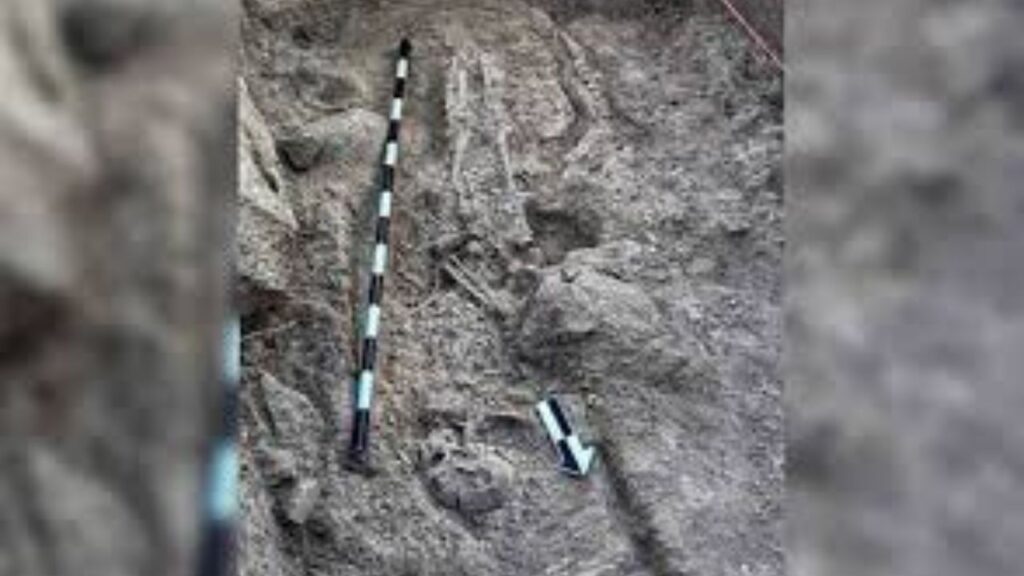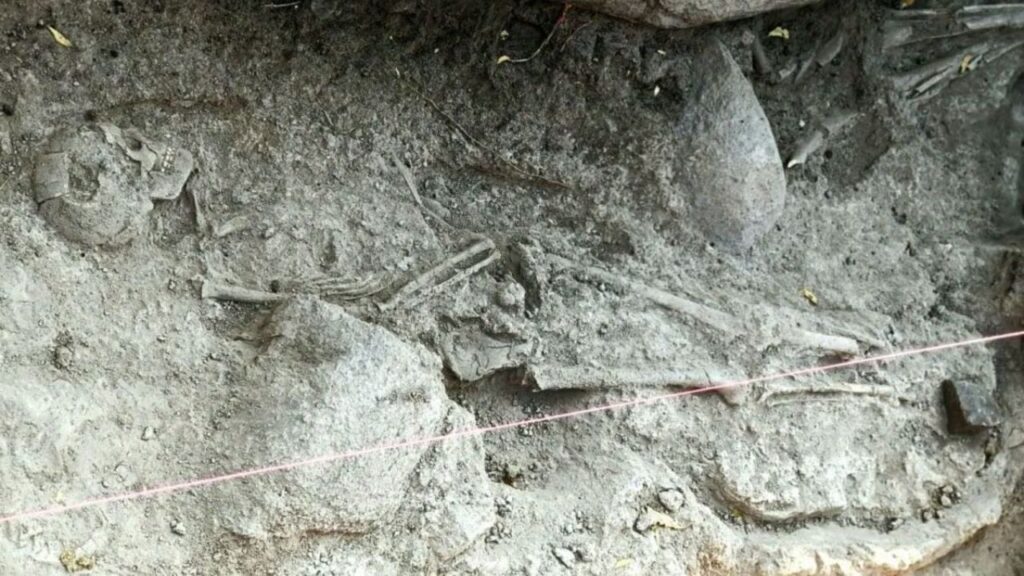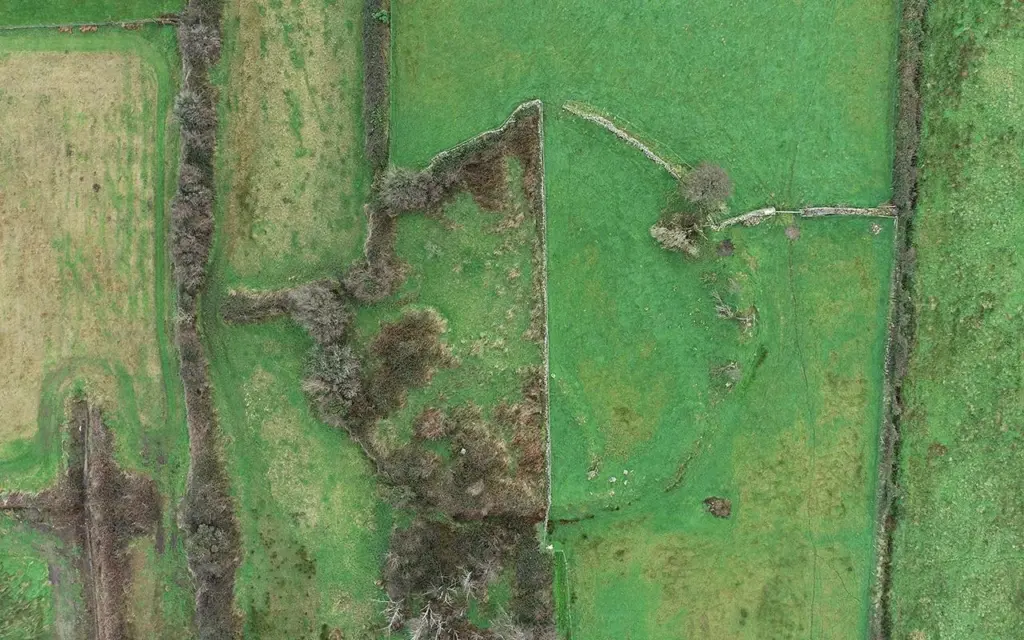
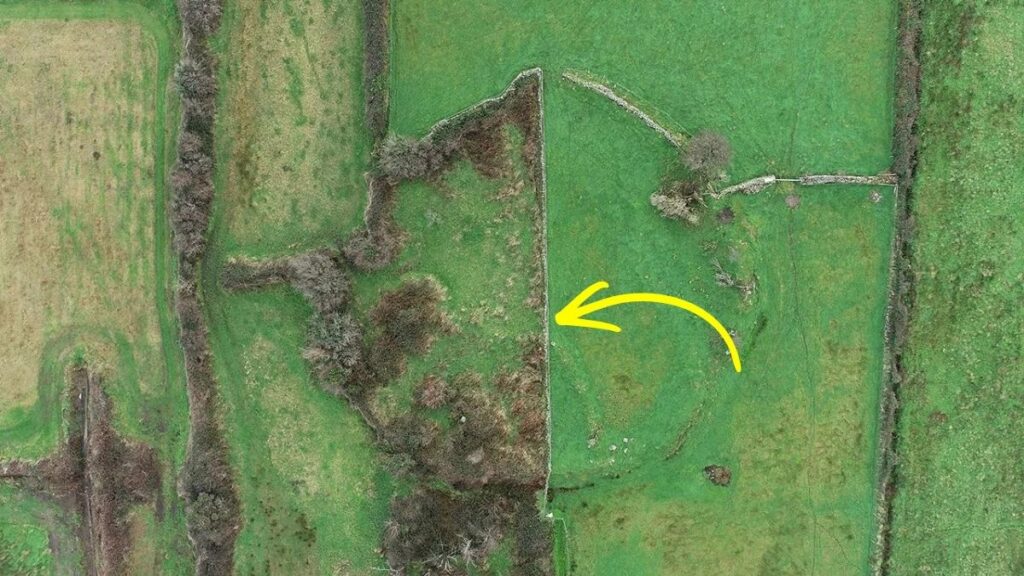
For centuries, a silent, sacred geography lay hidden in plain sight. Scattered across the Irish landscape, in lonely fields and near forgotten wells, are the lost graves of the smallest souls. These are the cillíní—burial grounds for infants denied consecrated earth. Now, a revolutionary study is weaving together whispers from the past with modern archaeology. It is revealing a profound, emotional chapter of human history written not in stone, but in memory and soil.
This is an archaeology of heartbreak, resilience, and love.
The Astonishing Find: Folklore as a Treasure Map
Dr. Marion Dowd of Atlantic Technological University has pioneered a breathtaking methodological fusion. Her work in the Journal of Irish Archaeology treats oral history as a critical scientific dataset. She meticulously analyzed over 350 accounts from the National Folklore Collection. These are not mere stories. They are precise, locational data passed down through generations.
This is a mind-blowing approach.
By cross-referencing these emotional records with historical maps and archaeological surveys, Dowd performed a act of historical recovery. She identified 11 entirely new cillíní. She also rediscovered 16 burial grounds considered lost to time. This proves the power of community memory. It challenges the limits of traditional archaeology.
What the Landscape Reveals: A Sacred, Separate Peace
The located sites paint a poignant picture. They span from Kerry to Donegal, Wexford to Sligo. Each location was carefully, meaningfully chosen. Infants were buried at liminal, in-between places. These spaces existed on the boundaries of the community and the consecrated world.
Some were placed within ancient, pre-Christian ringforts in County Meath. Others rested beside holy wells in Waterford. Many were laid at crossroads in Clare, or on islands like Inis na Leanbh in Kerry—the “Island of the Children.” This was a deliberate, tender tradition. It provided a designated place of rest. It offered solace within a strict theological framework.
These were acts of profound love in the face of devastating loss.
The Archaeology of Emotion: Grief, Shame, and Supernatural Fear
Dowd’s work boldly frames this as an “archaeology of emotion.” The folklore records are saturated with raw human feeling. Parents grappled with overwhelming grief. They also faced social stigma and religious shame. The burial practices themselves speak to a desperate need to care for their children within the confines of doctrine.
But the stories reveal even deeper layers.
They tell of supernatural beliefs guarding these sites. Locals spoke of “strange lights” hovering over the graves. They feared the “stray sod” or “hungry sod”—a vengeful force in the earth that would punish anyone who disturbed the tiny graves. This wasn’t just superstition. It was a powerful, cultural mechanism for protecting these vulnerable spaces.
Lost Customs and Regional Secrets
The study uncovers stunning regional variations. In some areas, boys and girls were buried in separate, dedicated cillíní. This reveals a complex social structure even in death.
Other accounts describe forgotten folk cures. Ailing children were sometimes brought to these sites in hopes of healing. This practice intertwines the cillín with cycles of life, death, and hope. It is a dimension of the site’s function never before captured in archaeological literature.
These details were preserved only in oral tradition. They were on the brink of being lost forever.
Global Implications: Why This Matters Beyond Ireland
This research is revolutionary for a global audience. It demonstrates that intangible heritage is a valid and crucial archaeological tool. Ireland’s alignment with the UNESCO Convention on Intangible Cultural Heritage provides a framework. Dowd’s method is a blueprint for global application.
Communities everywhere hold locational knowledge in stories and songs.
From remote Pacific islands to mountain villages, oral history can guide researchers to significant sites. This study proves that formal records are often incomplete. The human heart holds the missing maps. It also forces a global reflection on how societies historically navigated infant mortality. It shows the universal rituals of grief that transcend culture and creed.
What This Means for History: Reclaiming Memory
The discovery of these cillíní is not merely about adding pins to a map. It is an act of cultural reparation. It reconnects oral tradition with physical heritage. It validates generations of quiet mourning. It brings these children back into the narrative of their communities.
This work is also urgently practical.
Many cillíní face immediate threats from development, agriculture, and erosion. By formally documenting them, they can be protected. Dr. Dowd’s call for community collaboration is vital. Local knowledge is the key to safeguarding this fragile heritage. Each shared memory is a shield against oblivion.
These sites are not just burial grounds. They are monuments to parental love. They are landscapes of emotion made permanent in the Irish earth. They remind us that history is not only written by the powerful. It is also whispered by the grieving. And now, finally, we are learning to listen.
In-Depth FAQs: Your Questions Answered
1. What exactly is a cillín?A cillín (plural: cillíní) is a traditional Irish burial ground used primarily for unbaptized infants. This included babies who were stillborn, died during miscarriage, or passed away shortly after birth before baptism could be administered. They were also sometimes used for individuals considered outside of the church’s sanctity, such as suicide victims. These sites were typically unconsecrated, located on marginal land.
2. How does folklore help locate archaeological sites?Folklore accounts, especially those collected in the 1930s Schools’ Scheme, often contain precise descriptions of landscapes, place-names, and local histories. Stories about “fairy lights” over a field or a taboo about plowing a specific corner can signal a forgotten burial ground. By treating these narratives as data points and cross-referencing them with old maps, researchers can pinpoint locations that never appeared in official surveys or historical documents.
3. Why were these infants buried separately?The practice stemmed from traditional Catholic doctrine, which held that baptism was essential for entry into Heaven. Unbaptized souls could not be buried in consecrated ground. The separate burial was a theological necessity, but the care in choosing specific, often ancient or spiritually significant sites shows a deep cultural desire to provide a dignified, protected rest for these children, blending pre-Christian and Christian traditions.
4. What are the biggest threats to cillíní today?The primary threats are modern land use. Many are on private farmland and can be damaged by deep plowing, drainage works, or development. Their often-unmarked nature makes them especially vulnerable. Lack of local knowledge, as older generations pass away, also leads to their neglect and eventual loss from the landscape and community memory.
5. How does this study change the field of archaeology?It champions a more inclusive, interdisciplinary methodology. It proves that oral tradition and intangible cultural heritage are not secondary to physical excavation. They are primary sources that can guide and enrich material study. This approach democratizes historical research, valuing community-held knowledge as much as academic records, and allows for the recovery of histories of marginalized groups often absent from the official record.