
For centuries, Lakkundi has been a quiet footnote on the tourist trail, known for its exquisite, intricately carved Chalukyan temples. Visitors marvel at its stepped wells and legendary 101 shrines. But beneath the roots of ancient trees and the foundations of known monuments, a grander story has been sleeping. Now, it is waking up.
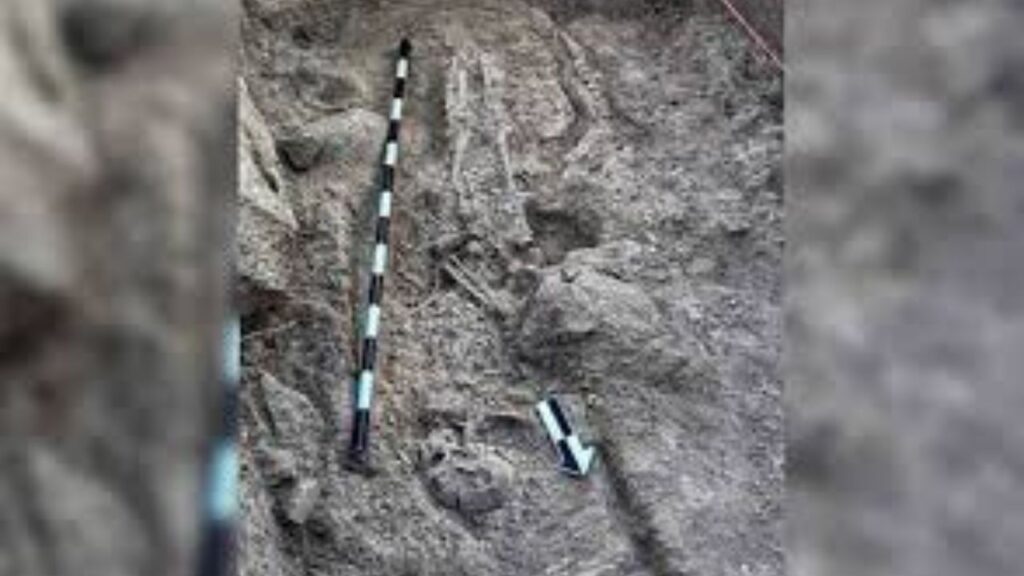
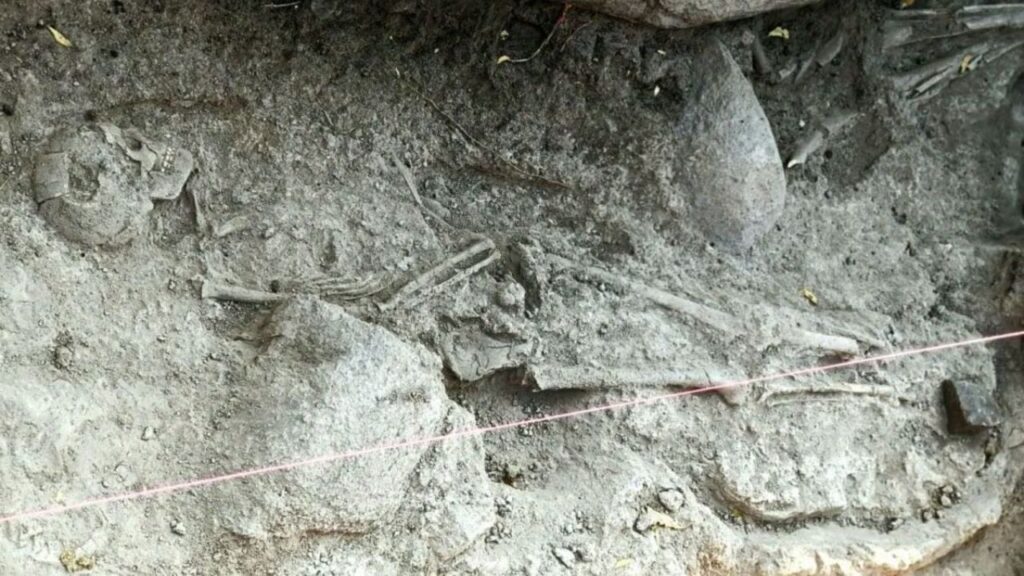
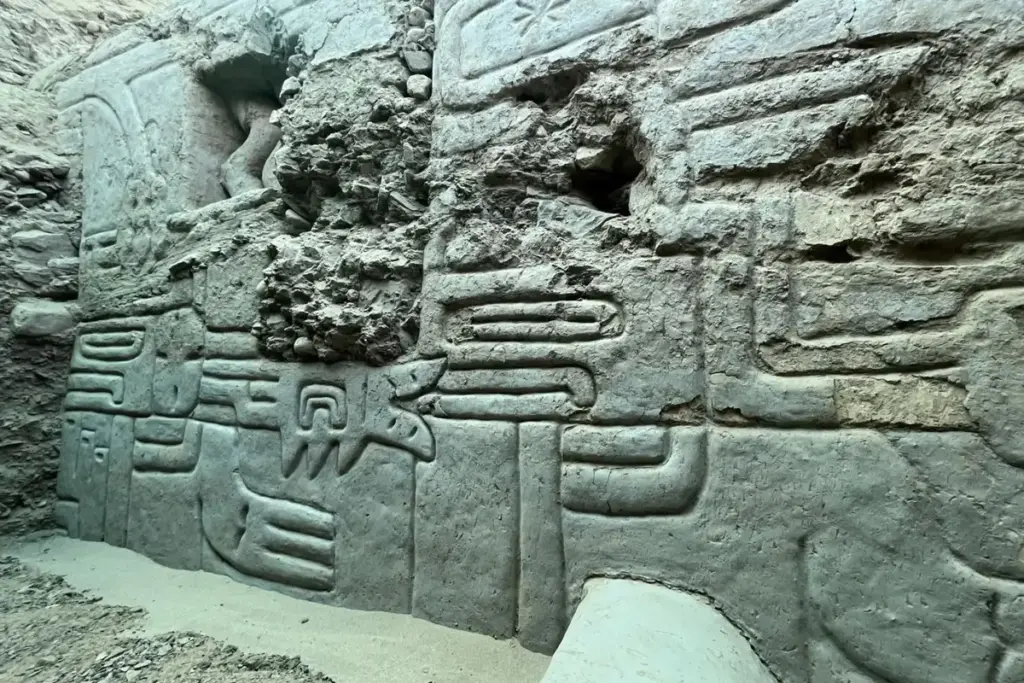
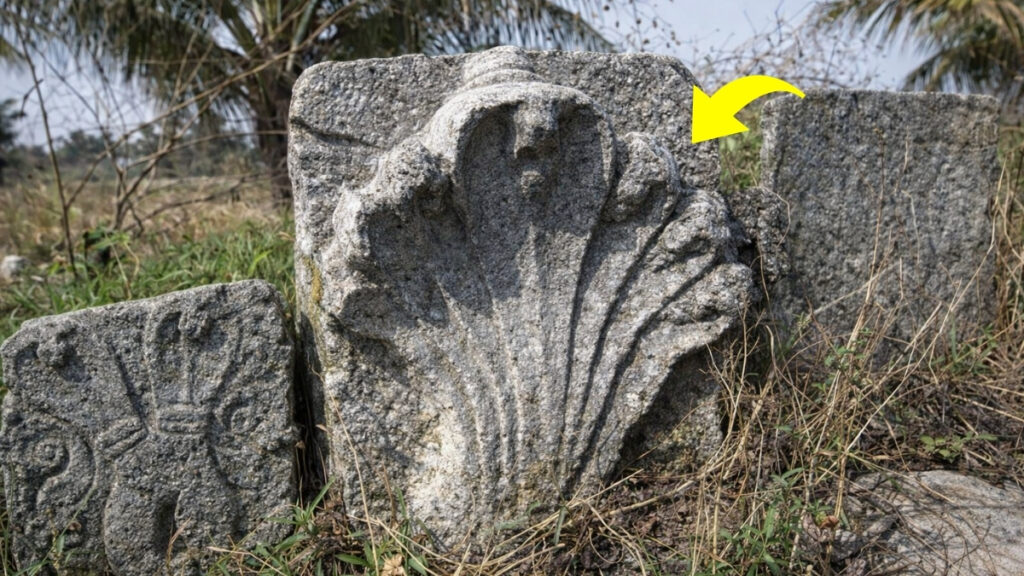
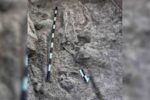
A systematic archaeological excavation, now in its critical ninth day, is methodically peeling back the earth. Each trowel scrape reveals not just artifacts, but bold declarations in stone. The latest find is nothing short of monumental: a majestic, life-sized seven-hooded Naga (serpent) stone, a symbol of profound spiritual and royal power rarely found in such complete form. This is not a random discovery. It is a direct message from the past, signaling that Lakkundi was far more than a cluster of temples. It was likely a major administrative, ritual, and economic capital waiting to be rediscovered.
The Astonishing Find: A Serpent of Power and Protection
The discovery of the Naga stone is the kind of moment that electrifies an entire excavation team.
A Rare Iconographic TreasureNagas, or divine serpents, are pivotal in Indian cosmology, often seen as protectors of treasures, water sources, and spiritual knowledge. A seven-hooded Naga is an exceptionally rare depiction. The number seven holds deep significance, representing completeness, the highest power, and a connection to celestial realms. This isn’t mere folk art; it is elite iconography.
A Marker of Sacred GeographyExperts theorize the stone may have been a Naga stambha (serpent pillar), standing at the entrance to a significant water body—like the ancient tank being excavated nearby—or a key temple complex. Its presence demarcated sacred space. It served as both a spiritual guardian and a bold statement of the patron’s devotion and authority.
Deep Dive: What the Emerging Artifacts Reveal
The Naga is not alone. It is the crowning jewel of a series of finds that are collectively painting a revolutionary picture of Lakkundi’s past.
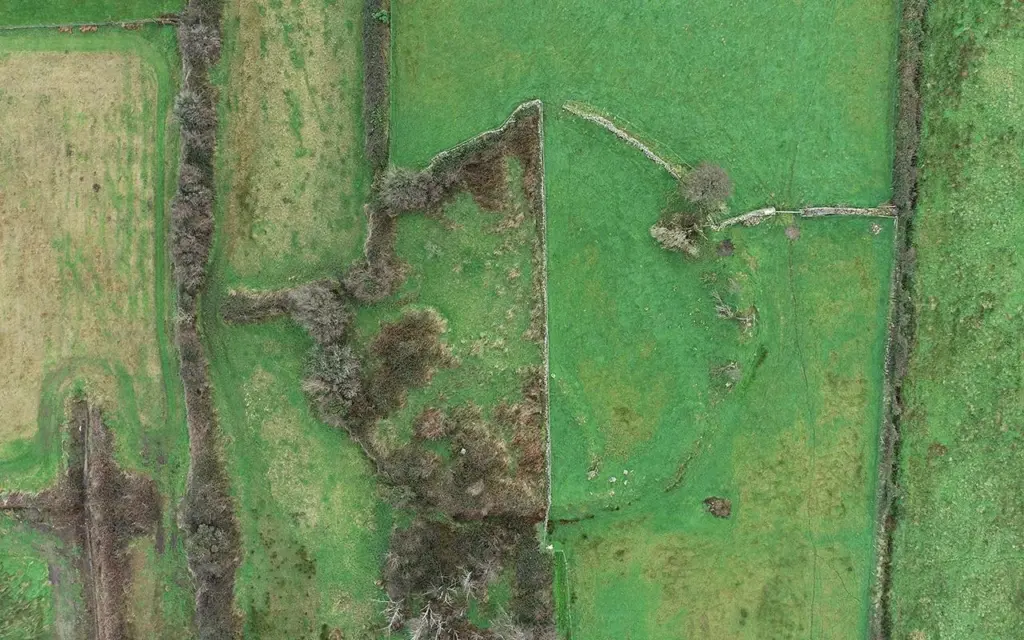
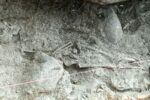
The Structural Clues: Walls, Inscriptions, and Water SystemsThe excavation has moved beyond probing. It is now revealing structural foundations of large, possibly residential or administrative buildings. The alignment and size of these walls suggest organized urban planning.
A crucial hero stone (Viragal) has also been unearthed. These inscribed tablets commemorate the death of a warrior in battle. This single stone shifts the narrative from purely religious to valorous, hinting at Lakkundi’s strategic importance and the social hierarchy of its inhabitants.
Most practically, the work on the ancient stepped tank continues. In the semi-arid region, water management was the ultimate source of power and survival. Unearthing this system is key to understanding the city’s sustainability and engineering prowess.
The Historical Context: Lakkundi’s Golden AgeLakkundi flourished between the 10th and 12th centuries CE under the later Chalukyas (Kalyani Chalukyas) and the Seuna (Yadava) dynasties. It was a powerhouse of art, religion, and commerce. The famed Brahma Jinalaya basadi (Jain temple) and the Kashivishveshvara Temple are masterpieces from this era.
This excavation now seeks the city around these monuments. The goal is to find the bustling urban life that supported such grand artistic and spiritual endeavors—the markets, the workshops, the homes of the elite, and the infrastructure that made it all possible.
Global Implications: Revisiting the Medieval Deccan
This dig has implications far beyond a single town in Karnataka.
Redefining a Commercial & Cultural NexusThe Deccan plateau was a crucible of cultural exchange. Lakkundi sat on important trade routes connecting north and south India. Uncovering its full urban scale helps global historians understand how ideas, artistic styles, and commodities flowed across medieval India.
A Case Study in Syncretic CivilizationThe coexistence of major Jain and Hindu temples at Lakkundi is already well-known. The emerging cityscape will provide unprecedented context for how these communities lived side-by-side. It offers a physical case study in the religious syncretism and social complexity that defined this period.
What This Means for History: The Unfinished Puzzle
The ninth day is not an end, but a thrilling new beginning. Each artifact is a puzzle piece.
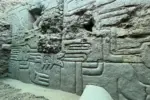
The seven-hooded Naga suggests a royal or high-patronage commission. The hero stone speaks to a martial tradition. The tank walls testify to advanced civil engineering. Together, they point to a multifaceted, wealthy, and powerful urban center.
This excavation is transforming Lakkundi from a “temple town” into a “temple-city.” It promises to elevate its status from a site of artistic pilgrimage to a crucial chapter in the story of early medieval Indian urbanization. The stones are whispering. And they are telling us we have only just begun to listen.
5 In-Depth FAQs
1. How was the site chosen for excavation?Lakkundi has long been a protected site by the Archaeological Survey of India (ASI) due to its surface monuments. The decision for a deep, systematic dig likely stemmed from years of scholarly debate about the city’s true scale, clues from scattered finds during conservation work, and the use of ground-penetrating radar or other non-intrusive surveys that hinted at subsurface structures.
2. What is the significance of the “seven hoods” on the Naga stone?In iconography, the number of hoods denotes hierarchy and power. A single or three-hooded Naga is common. Five hoods are significant. Seven hoods are exceedingly rare and typically associated with the highest form of the serpent deity, often linked to specific tantric traditions, major royal patronage, or the protection of a site of utmost importance.
3. Could this excavation reveal links to trade with other civilizations?Absolutely. The Chalukyas were connected to vast trade networks. Further excavation of the urban quarters may reveal imported artifacts, coin hoards from other regions, or inscriptions referencing traders. This could provide physical evidence for Lakkundi’s role in the broader Indian Ocean and inland Deccan trade.

4. What are the biggest challenges archaeologists face at this site?The primary challenge is stratigraphy—carefully distinguishing layers from different centuries in a continuously inhabited site. Other challenges include working around the root systems of large, old trees and ensuring the structural safety of adjacent standing monuments. The sheer density of expected artifacts also requires meticulous recording.
5. What might we expect to be discovered next?The focus will likely be on following the newly found walls to define building plans. Archaeologists will also sieve soil from the tank for organic remains (seeds, pollen) to reconstruct diet and environment. The most anticipated finds would be sealed foundation deposits, copper plate inscriptions detailing land grants, or a workshop area for the famous Lakkundi-style sculpture.