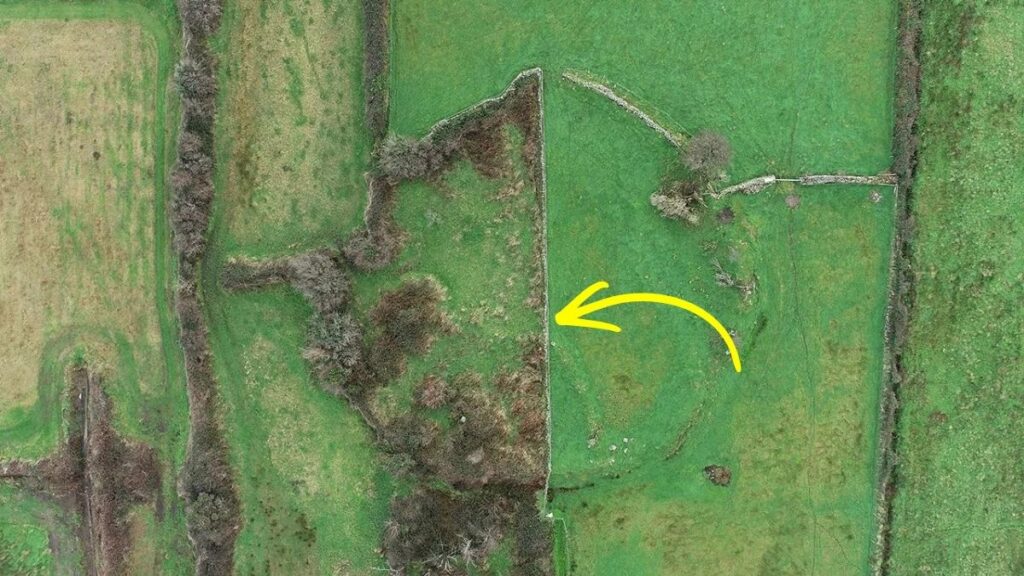


Archaeologists have uncovered two prehistoric human skeletons during an ongoing excavation at Gaudra Moole Hill in Tekkalakote town of Karnataka’s Ballari district, offering rare insight into ancient burial customs and early human settlement in the region.
The discovery was made as part of a long-term archaeological project led by Namita S Sugandhi, a professor at Hartwick College, who is also the co-director of the excavation.
Two Skeletons Found Lying Side by Side
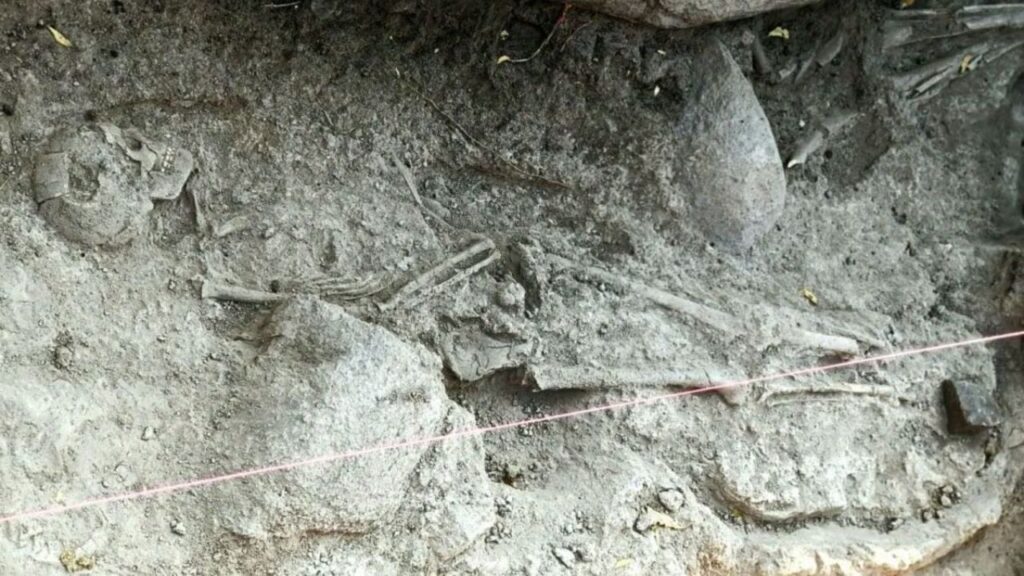
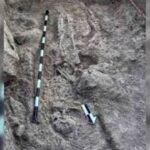
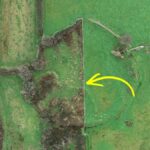
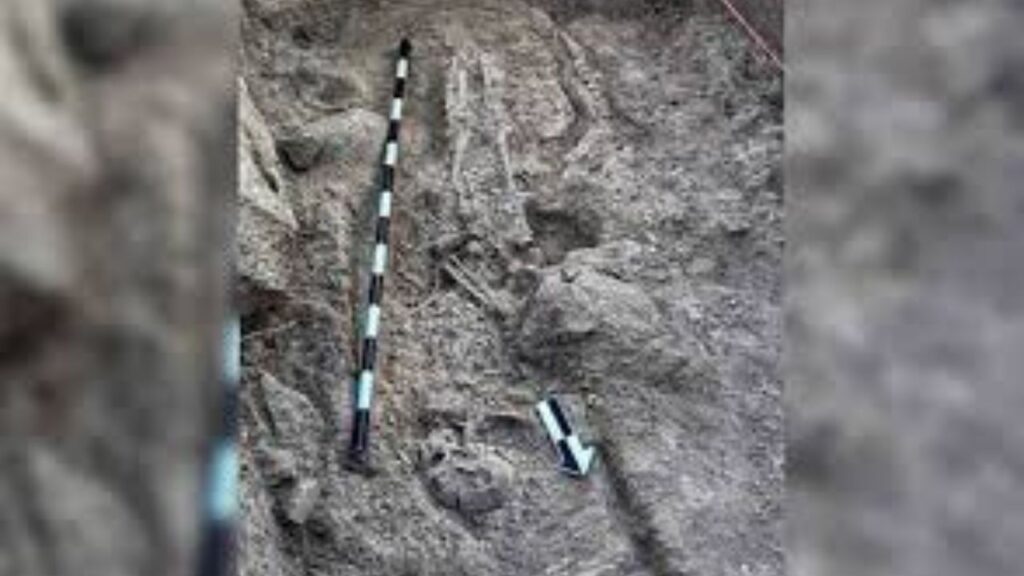
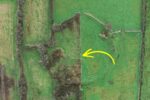
During excavation work last week, researchers noticed human bones beneath the soil surface. Careful digging revealed two complete human skeletons, each measuring approximately 5.5 feet in length, found lying side by side. The positioning suggests deliberate burial rather than accidental deposition.
Remarkably, the skeletons were discovered in well-preserved condition, an uncommon occurrence for remains believed to be several millennia old.
Evidence of Ancient Burial Customs
Archaeologists observed stones deliberately placed over the bodies, indicating a structured burial practice. Such stone-covered burials are considered significant markers of social and cultural traditions during the Neolithic or prehistoric period.
Experts say these findings provide valuable clues about how early communities treated their dead, reflecting ritual behavior and belief systems that existed thousands of years ago.
Tools and Pottery Point to Early Human Settlement
The excavation also yielded pottery fragments, microlithic tools, and evidence of early tool usage in the immediate area surrounding the skeletons. These artifacts strongly suggest that Tekkalakote functioned as an important human settlement during prehistoric times.
The presence of both burial remains and everyday tools indicates that the site was not merely a temporary camp, but likely a long-term habitation zone where early humans lived, worked, and practiced burial rituals.
Skeletons May Be 3,000–5,000 Years Old
Based on preliminary assessment, experts estimate the skeletons date back between 3,000 and 5,000 years. To determine the exact age, officials have decided to conduct carbon dating tests, which will provide a more precise timeline.

The site was inspected by R Shajeswar, Deputy Director of the Department of Archaeology, Museums and Heritage Karnataka, who emphasized the shared responsibility of preserving such rare archaeological heritage for future generations.
A Site With a Long Archaeological Legacy
Dr. Sugandhi first visited Tekkalakote in 2019 for exploratory excavation work. She returned in 2025 with the aim of preparing a detailed research paper and presented a study titled Man and Environment: Tekkalakote. The current excavation marks her third research visit to the site.
Tekkalakote’s archaeological importance was first highlighted in 1964 by renowned Indian archaeologist M S Nagaraja Rao, whose excavations brought international attention to the region. His work inspired later researchers, including Dr. Sugandhi, to continue exploring the area’s prehistoric past.
Why the Discovery Matters
Archaeologists say the discovery strengthens Tekkalakote’s status as one of Karnataka’s most important prehistoric sites. Complete human skeletons from this era are extremely rare, and their study can reveal critical information about early human health, lifestyle, burial traditions, and social organization in southern India.
As scientific analysis continues, researchers believe the findings could significantly deepen understanding of Neolithic life in the Deccan region and place Tekkalakote firmly on the global archaeological map.