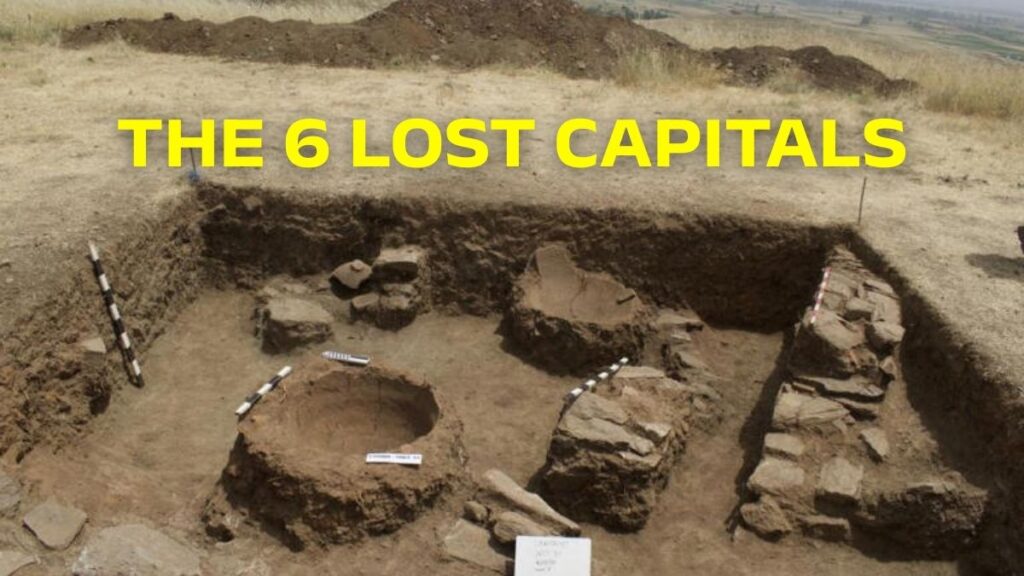
A Chinook helicopter thunders over the Iraqi desert. Below its shadow, the sands hold secrets far more valuable than any modern battlefield objective.
These are not just lost ruins. They are the vanished hearts of empires. The command centers of history’s most powerful kingdoms. Their names echo in ancient texts—Akkad, Itjtawy, Thinis—but their stones are silent, unseen by modern eyes.
Worse yet, we know looters have found some of them. Robbers are plundering the capitals of forgotten superpowers, erasing our global heritage before scholars even get a chance to look.
This is the most urgent treasure hunt in archaeology. It’s a race against time, thieves, and the desert itself to find what history insists must be there.
The Astonishing Reality
A Map Full of Holes
We imagine the archaeological map is nearly complete. It is not. Glaring, embarrassing blanks exist where magnificent cities should be.
These are not minor settlements. They are the Washingtons, the Romes, the Xi’ans of their age. Their absence isn’t just a gap. It is a chasm in our understanding of human civilization.
Their locations are “lost to time” because empires fall, records burn, and deserts shift. But the whispers remain, in cuneiform tablets and royal annals, taunting us with their descriptions.
The Looter’s Advantage
This story has a dark, modern twist. In several cases, clandestine diggers have already won the race.
They tunnel into palaces at night. They smuggle tablets by the thousands. They fund their operations by selling a kingdom’s memory on the black market. And they will never, ever reveal the location.
For archaeologists, this is a professional nightmare. A city is being systematically destroyed, and they can’t even find it to protect it.
Deep Dive: The Six Lost Capitals
1. Irisagrig: The City of Lion Shepherds
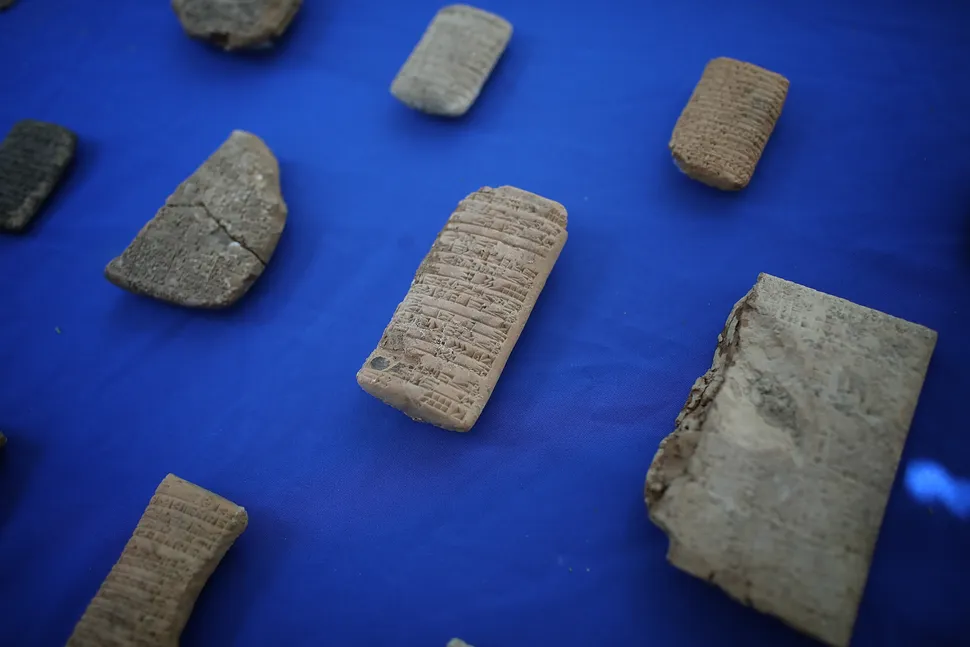
Imagine a Mesopotamian metropolis so lavish it kept lions as royal pets. Ancient tablets, looted after the 2003 Iraq war, describe exactly that.
They reveal Irisagrig flourished 4,000 years ago. Its palaces housed packs of dogs and captive lions fed on prime cattle. The “lion shepherds” received beer and bread rations.
A grand temple to Enki, the god of mischief, stood at its center. Festivals echoed within its walls. Then, it vanished.
Today, scholars piece together its life from smuggled artifacts. The city itself? Somewhere in southern Iraq. Its exact location remains a secret held by those who plunder it.
2. Itjtawy: Egypt’s Long-Lost Capital
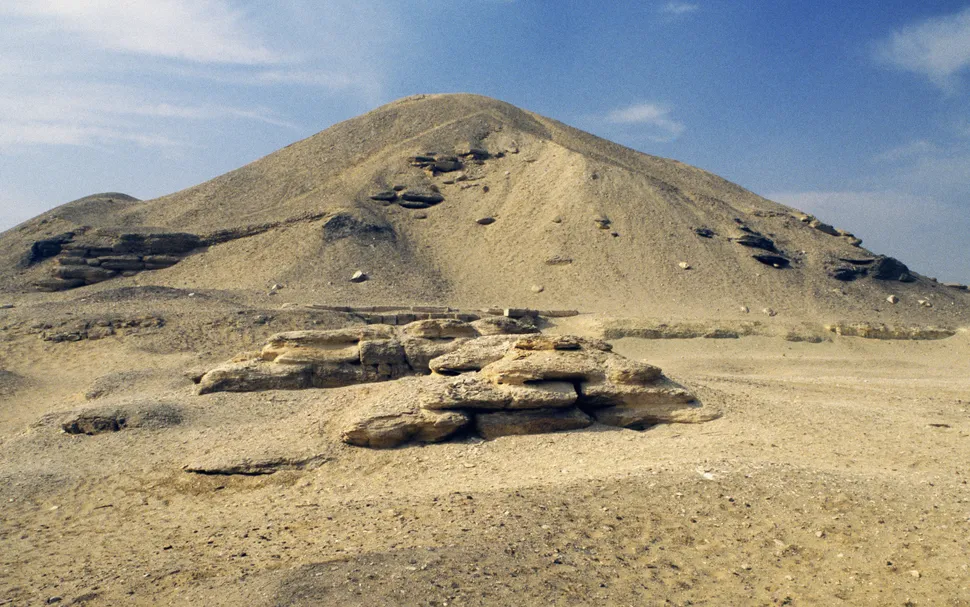
For over 400 years, this was the administrative heart of Ancient Egypt. Pharaoh Amenemhat I built it to secure his fractured kingdom. Its name meant “Seizer of the Two Lands.”
It outlived its founder, who was assassinated. Itjtawy remained the capital through the glittering Middle Kingdom.
Then, around 1640 BC, foreign Hyksos invaders shattered the realm. The capital was abandoned, consumed by the desert.
Elite pyramids at Lisht hint at its nearby location. But the city of bureaucrats, soldiers, and priests—the actual engine of a golden age—has never been found.
3. Akkad: The First Empire’s Beating Heart

This is the holy grail of Mesopotamian archaeology. Akkad was the nerve center of history’s first true empire.
Under Sargon the Great, its influence stretched from Turkey to the Persian Gulf. The temple of Ishtar, the Eulmash, was a global pilgrimage site.
Then, around 2150 BC, catastrophe struck. The empire imploded. The city was so thoroughly destroyed or abandoned that its very location evaporated from memory.
Every archaeologist working in Iraq dreams of finding it. Its discovery would be a revolution, offering untold insights into the dawn of imperial rule.
4. Al-Yahudu: The Exiles’ Secret Haven
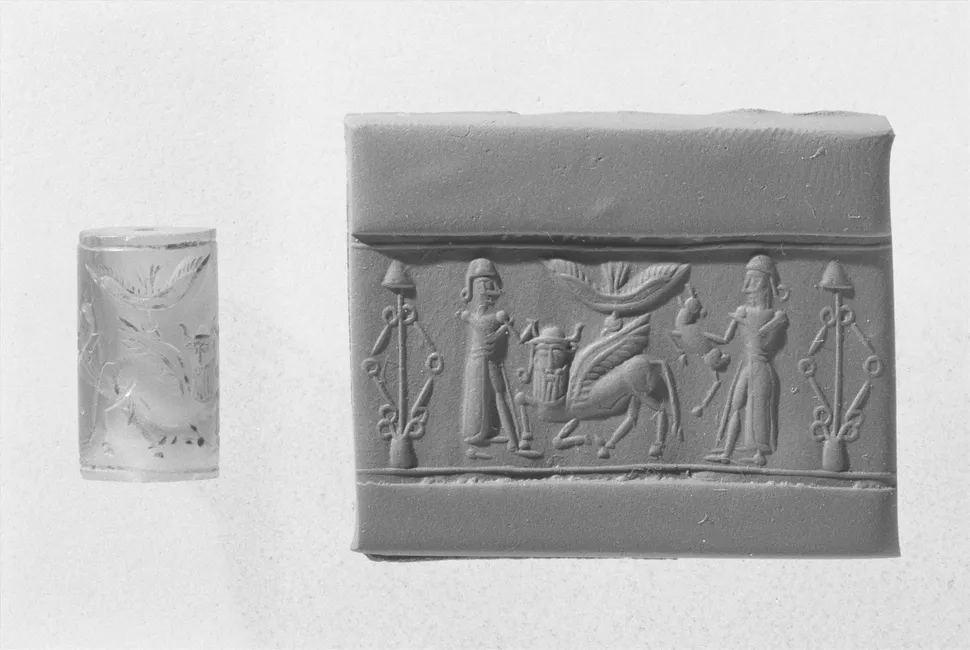
This city tells a story of resilience from the Babylonian Exile. After King Nebuchadnezzar II crushed Jerusalem in 587 BC, he deported Jews to Mesopotamia.
They built a community called “The City of Judah”—Al-Yahudu. Cuneiform tablets show they clung to their identity. They used names invoking Yahweh.
These tablets appeared on the black market. Looters found the site. They sold its history piece by piece.
Scholars can read the exiles’ tax receipts and legal documents. But they cannot visit their homes. The physical testament to a pivotal biblical diaspora is lost again.
5. Waššukanni: The Mitanni Empire’s Vanished Fortress
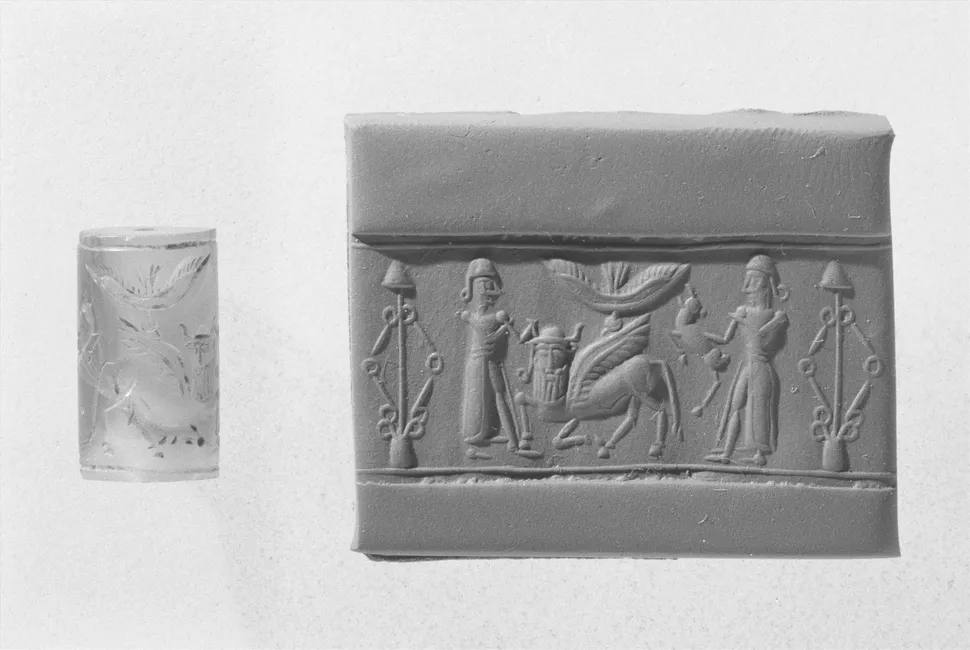
The Mitanni Empire was a major Bronze Age power, a rival to Egypt and the Hittites. Its capital, Waššukanni, was a formidable fortress-city.
It commanded a vast realm in Syria and Iraq. Then, between 1350 and 1300 BC, the Hittite army marched south and sacked it.
The empire crumbled. The capital’s ruins likely lie beneath the soil of northeastern Syria. Its discovery would unlock the secrets of the Hurrian people, a culture known only from scattered mentions in the archives of its enemies.
6. Thinis: The Mythical First Capital of Egypt
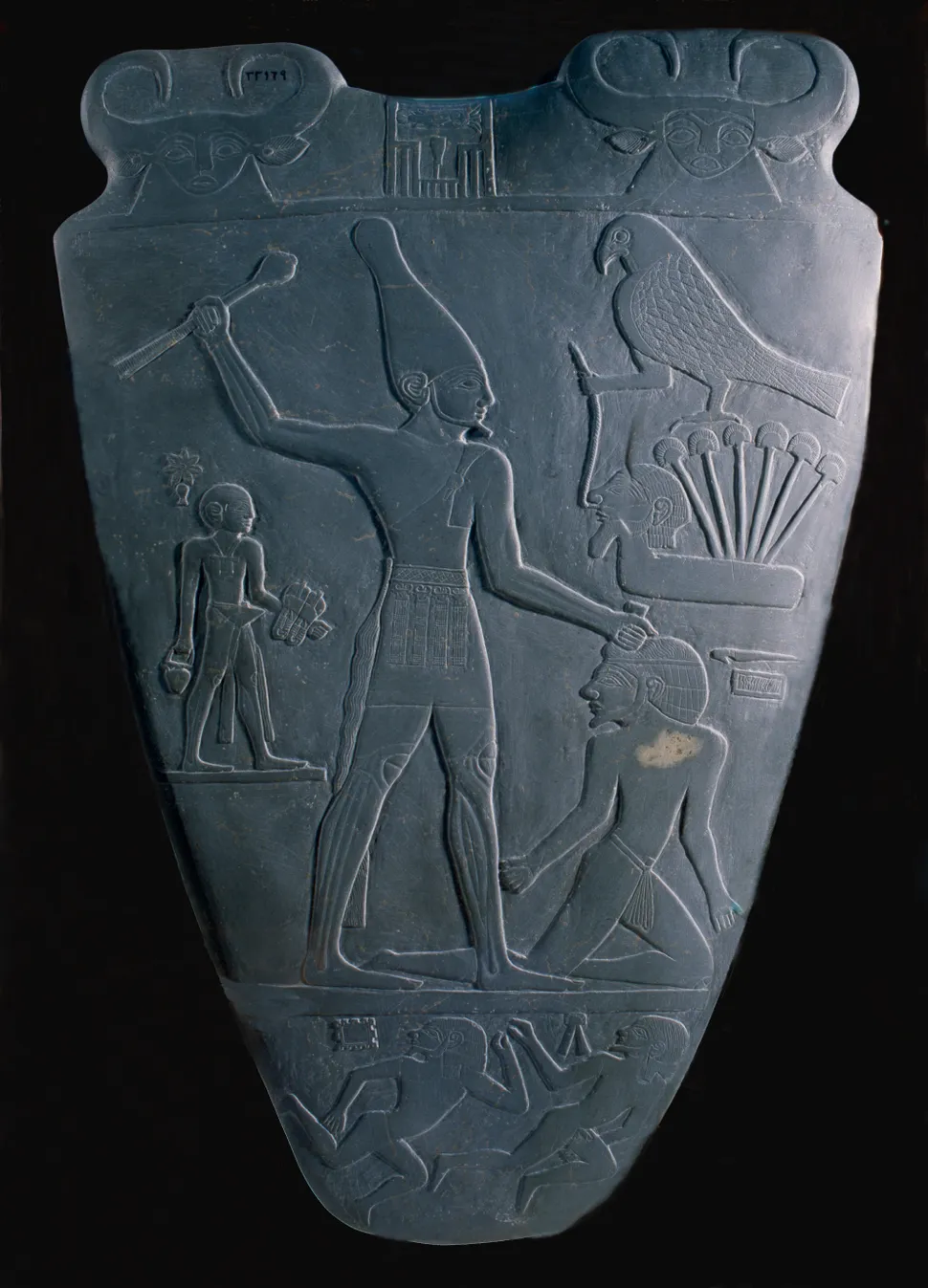
Before the pyramids. Before Memphis. There was Thinis.
Ancient historians like Manetho recorded it as the home of Egypt’s first pharaohs. The legendary Menes, unifier of Egypt, may have ruled from here.
It was the power base during the nation’s birth around 3000 BC. Then, as Memphis rose, Thinis faded into a provincial town.
Its location near sacred Abydos is assumed. Yet the city that presided over the dawn of Pharaonic civilization has never been identified. It is the ghost in the machine of Egypt’s origin story.
Global Implications
A Race for Context
Finding any one of these cities would be a mind-blowing event. It would provide context for centuries of scattered artifacts.
The looted tablets from Irisagrig and Al-Yahudu would suddenly have a home. Our timelines of empire would snap into sharp, tangible focus.
These are not just missing dots on a map. They are missing keys to the narrative of human civilization.
The Ethical Crisis
The role of looters presents a profound ethical crisis. It pits preservation against discovery in the darkest way.
Do scholars publicize their search and risk guiding looters to the site? Or do they work in silence, slowing progress?
It is a global dilemma. The fate of our shared history hangs in the balance, threatened by the very treasure hunters who prove it exists.
What This Means for History
These six cities represent a fundamental truth. Our knowledge of the ancient world is built on fragments. We are assembling a cosmic jigsaw puzzle with most of the pieces still buried.
Their eventual discovery—through satellite archaeology, sediment analysis, or sheer luck—will rewrite textbooks. It will shift power dynamics on historical maps. It will give voice to peoples like the Hurrians of Waššukanni, who currently speak only through the records of their conquerors.
The hunt continues. Not for gold, but for memory. Each sandy mound in Iraq or Egypt could be the one. Each could be the lost capital waiting to tell its story, if we find it before it is lost forever.
In-Depth FAQs
- How can a massive city just disappear?
Centuries of abandonment, building with mud-brick (which erodes), silt from river floods, and deliberate destruction by conquering armies can erase a city’s footprint. It becomes a tell—a subtle mound indistinguishable from the natural landscape without expert eyes or technology. - What tools are used to find these lost cities today?
Modern hunters use satellite imagery (like Google Earth) to spot geometric patterns and soil discoloration. They employ ground-penetrating radar, magnetometry, and drone surveys to map buried structures without digging a single hole. - Why do looters have an advantage?
Looters operate outside the law with simple, destructive tools. They are not constrained by methodology, permits, or preservation. They can quickly probe many sites, often in conflict zones where archaeologists cannot safely work, until they strike “pay dirt.” - What happens if a looter-finds a city and strips it?
The context is destroyed forever. A tablet in a museum case has limited value if we don’t know which building it was in, what it was near, or what layer of history it came from. Looting erases the story, leaving only orphaned objects. - Which of these six cities is most likely to be found next?
Many experts bet on Irisagrig. The high volume of looted tablets with specific administrative details provides strong clues. Archaeologists can triangulate its probable region. The challenge is finding it officially before every remaining tablet is ripped from the ground and sold.