What if everything we knew about the cradle of civilization was missing a page?
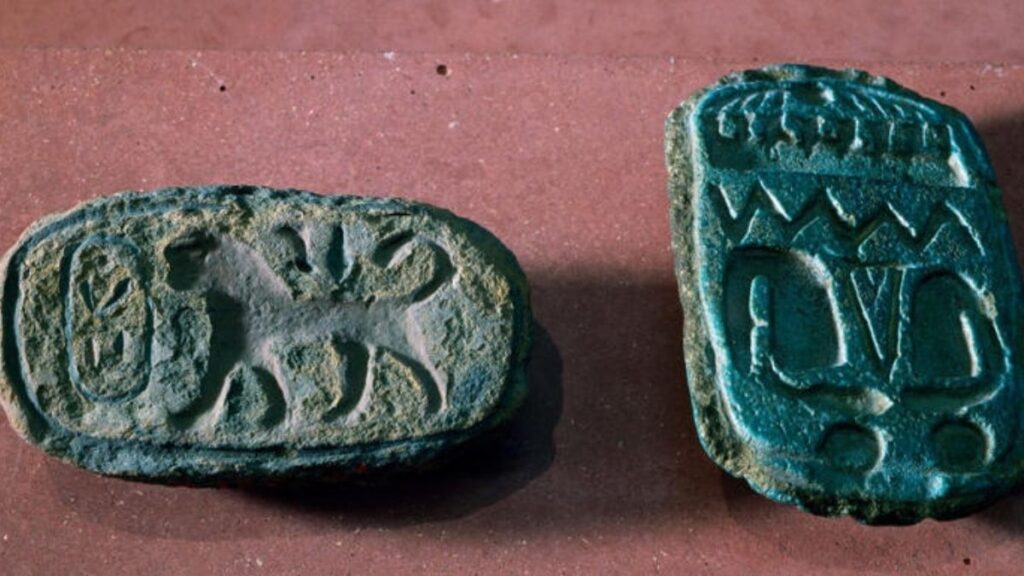
Forget the pyramids. Look beyond Mesopotamia. Archaeologists have just pulled a mind-blowing secret from the soil of eastern Türkiye. It’s not a towering monument, but a palm-sized piece of carved stone.
This 7,500-year-old seal is a key. It unlocks a forgotten era of stunning social complexity. It whispers of property, identity, and commerce in a time we once thought was defined by mere survival.
This is the story of Tadım Fortress. And the revolutionary artifact proving a surprisingly advanced society was shaping human destiny millennia earlier than we ever imagined.
The Astonishing Find: More Than Just a Stone
The discovery sent a shockwave through the excavation team. Buried within the ancient layers of Tadım Fortress in Elazığ, it was a quiet revolution.
It is a meticulously crafted stone seal. Its geometric design is deliberate. Purposeful. This was no casual doodle or decorative item.
It predates the legendary Kingdom of Urartu by thousands of years. It was already ancient when the first stones of Stonehenge were raised. The find location is a historical crossroads.
The seal rested amid relics from Byzantine, Roman, and Ottoman eras. It is the deepest, oldest whisper from this land. A whisper that speaks volumes.
Decoding the Imprint: A Society of Order and Identity
What does this rare discovery actually mean? Archaeologists are electrified by the possibilities.
The primary theory is profound. This seal likely functioned as a marker of property or ownership. It is a personal signature in stone. Imagine pressing it into damp clay to label a storage jar, a sealed door, or a traded good.
It signifies a concept of “mine” and “yours.” This is a cornerstone of complex social organization. It hints at a society moving beyond simple kinship ties. It suggests rules, recognition, and a structured economy.
Another compelling theory connects it to agriculture. A similar “cec damga mühür” found nearby was used in grain trade. This tiny tool could have been vital for administrative control. It managed surplus, trade, and wealth in a nascent agricultural society.
The Sacred Context: A World of Ritual and Belief
The seal is not a solitary clue. It is part of a breathtaking tapestry of finds painting a vivid picture of this advanced Neolithic society.
Just steps away, archaeologists uncovered a temple from the Late Chalcolithic period. Dating back 6,000 years, it features a stone altar with a chilling ritual blood channel.
Cut marks and remains tell a story of sacrifice. This was a place of intense spiritual life. The sacred and the administrative existed side-by-side.
Furthermore, a sacred hearth designed to keep an eternal flame burning was found. This echoes later cults of Hestia and Vesta in Greco-Roman worlds. The discovery of idol figurines and stamp seals near the temple blurs the line.
Was commerce blessed by the gods? Was property under divine protection? The evidence suggests a deeply integrated worldview.
Global Implications: Redrawing the Map of Progress
This seal’ impact extends far beyond a single Turkish hillside. It forces a global reconsideration of the Neolithic period.
We often associate early bureaucracy and complex economies with the first great riverine civilizations. Mesopotamia, Egypt, the Indus Valley. This find challenges that timeline.
It reveals that in the highlands of Eastern Anatolia, societies were experimenting with these advanced concepts much earlier. They were not just farming.
They were building social infrastructure. They were codifying ownership and engaging in regulated trade. They were constructing specialized ritual spaces.
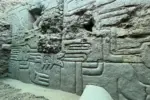
This region was not a peripheral backwater. It was a vibrant, innovative crucible of human development. The seal proves that the seeds of civilization were sown in multiple fields, long before the great empires sprouted.
What This Means for History: A Paradigm Shift
The Tadım Fortress seal is a paradigm-shifting discovery. It compels us to rewrite the narrative of human social evolution.
This artifact is a direct bridge to a Neolithic mind. A mind concerned with order, identity, and legacy. It shatters the stereotype of prehistoric life as a simple, communal struggle.
The find underscores that “advanced” does not always mean “monumental.” Sometimes, progress is stamped in miniature. The true monument was the complex society that created it.
Ongoing excavations promise more revelations. Each layer peeled back at Tadım takes us further into this forgotten era. The Elazığ Museum now holds this priceless key.
It is analyzed, preserved, and ready to tell more of its story. A story that is changing history, one tiny impression at a time.
In-Depth FAQs
1. How was the site and the seal discovered?
Tadım Fortress has long been known as a historical site. Systematic excavations are led by the Elazığ Museum and the Provincial Directorate of Culture and Tourism. The seal was uncovered during a careful archaeological dig through the site’s deepest, oldest layers, funded by Türkiye’s “Heritage for the Future” project.
2. How do we know the seal is 7,500 years old?
The dating is based on stratigraphy—the study of the soil layers it was found in—and comparative analysis with other Neolithic artifacts from the region. Its position beneath layers containing artifacts from known, later civilizations places it firmly in the Late Neolithic/Chalcolithic period.
3. What makes this seal so “advanced” for its time?
Its very function implies a level of social organization beyond basic survival. The concepts of personal property marking, administrative control, and commodity trade require abstract thought, social trust, and agreed-upon systems. These are hallmarks of complex society.
4. Has anything like this been found elsewhere from this period?
While seals become common later in the Bronze Age, a 7,500-year-old artifact with this suspected function is exceptionally rare. It places Türkiye at the forefront of very early social and economic innovation, alongside other precocious sites like Çatalhöyük.
5. What happens next with this discovery?
The seal is undergoing detailed analysis, including microscopic study of wear patterns to understand its exact use. Excavations at Tadım Fortress continue, with archaeologists eager to find more seals or related artifacts to build a fuller picture of this society’s daily and economic life.