

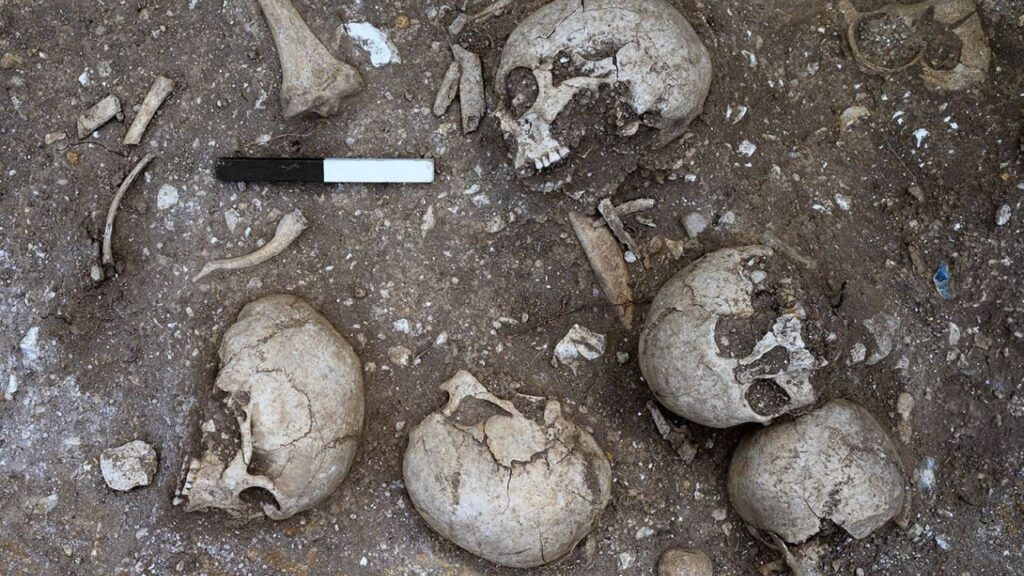
A chilling archaeological discovery near Cambridge has uncovered a burial pit containing the remains of at least ten individuals, believed to date back to the ninth century AD. The find, made by archaeology students from University of Cambridge, is shedding new light on the violent clashes between Vikings and Saxons during a turbulent period of English history.
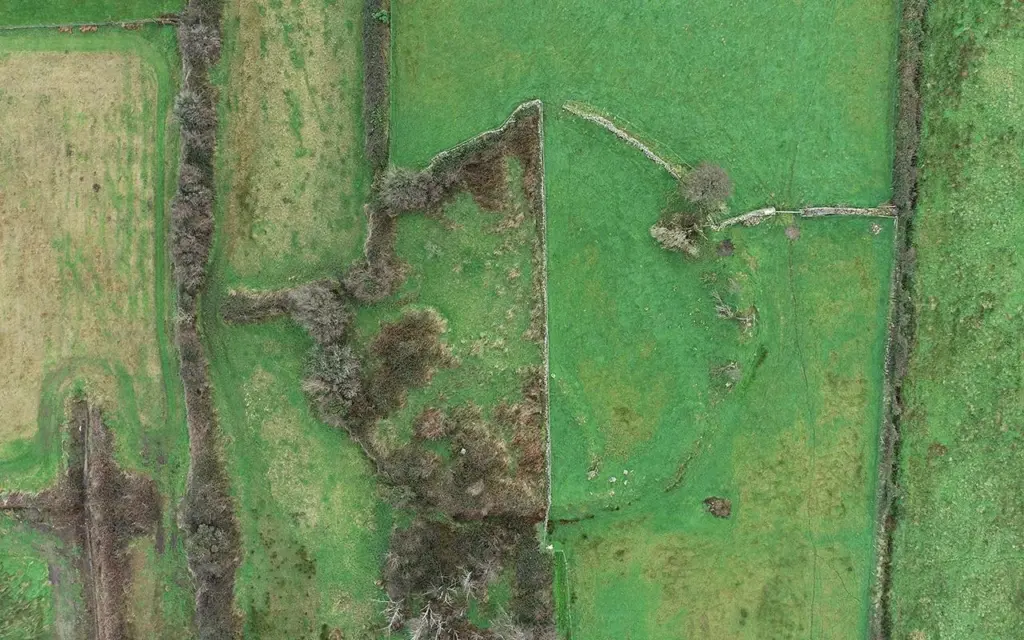
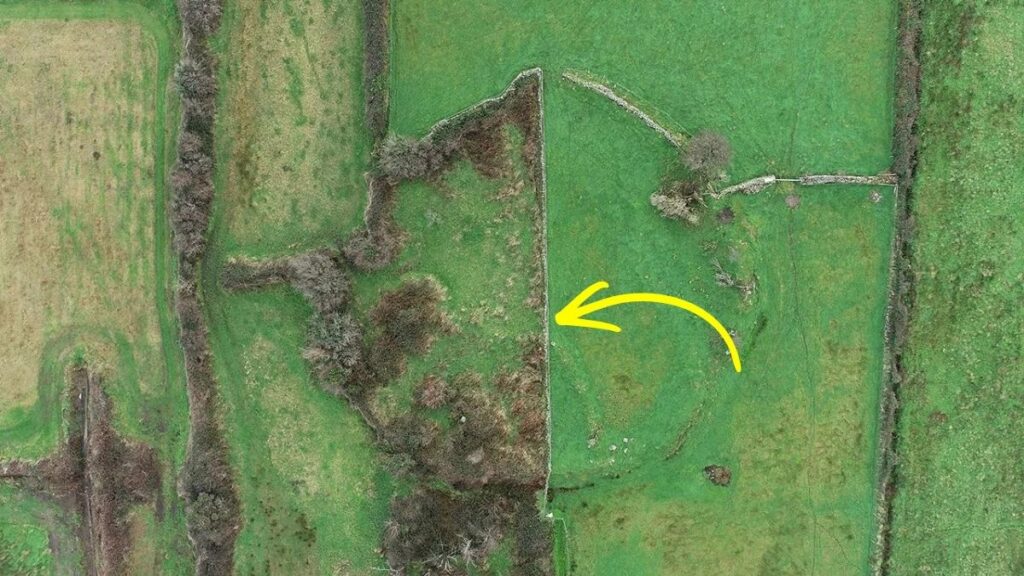
The burial pit was unearthed at Wandlebury Country Park, an area historically known as a strategic frontier zone where rival groups fought repeatedly over territory. Archaeologists believe the individuals buried in the pit were young men who likely met violent ends, possibly during a mass execution or following a brutal battle.
Disturbing Evidence Inside the Burial Pit
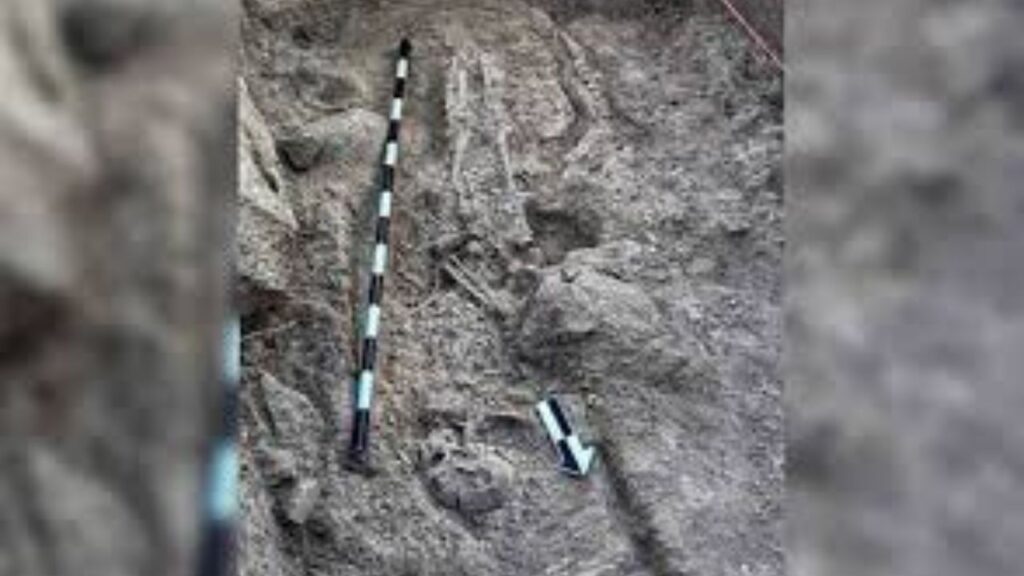
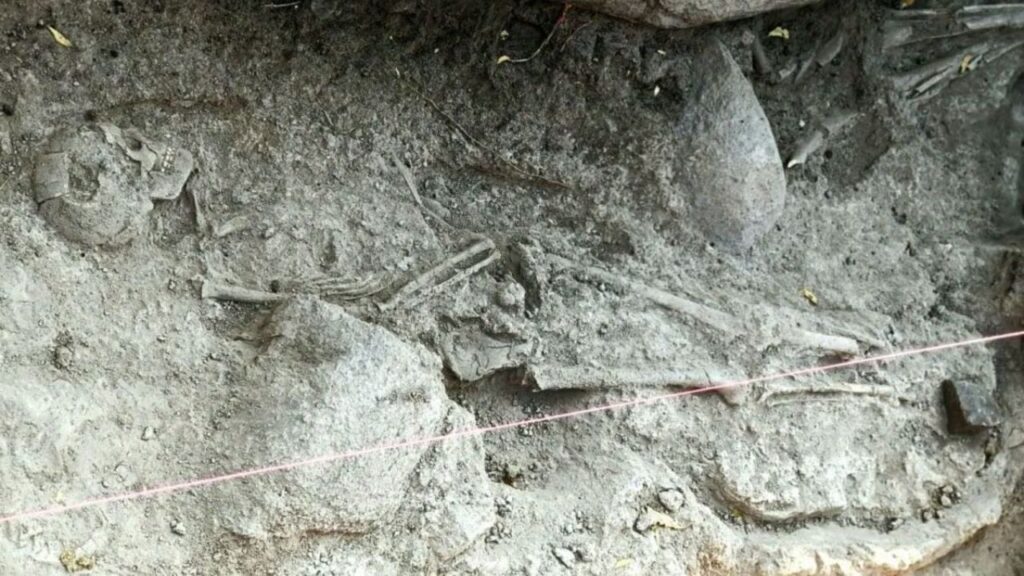
Excavation revealed four largely complete skeletons alongside dismembered human remains, including a tightly packed cluster of skulls and a stack of legs. Based on the number of skulls recovered, researchers confirmed that at least ten people were buried at the site. Some bodies were positioned in ways that suggest they may have been bound at the time of death, and at least one individual had been decapitated.
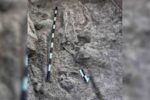
Experts noted that several body parts appeared to have been separated naturally through decomposition rather than deliberate dismemberment. This raises the possibility that certain remains may have been displayed publicly as warning symbols or trophies before eventually being gathered and buried together.
A Frontier of Conflict Between Vikings and Saxons
According to the excavation team, Cambridgeshire during the early medieval period functioned as a volatile borderland between Viking-controlled territories and Saxon settlements. Dr. Oscar Aldred of the Cambridge Archaeological Unit explained that Wandlebury may have served as a well-known meeting place or even a sacred site, making it a plausible location for corporal punishment or executions tied to political or military conflict.
The archaeological evidence strongly suggests that the burial pit is directly linked to these long-running territorial struggles, offering rare physical proof of the violence that shaped early medieval England.
A Remarkable Skeleton and Signs of Ancient Surgery
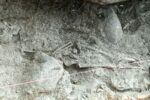
Among the remains was one particularly striking individual estimated to be around 6 feet 5 inches tall—far taller than the average male height of approximately 5 feet 6 inches during that era. Archaeologists believe this unusual height may have resulted from a growth-related medical condition.
Even more intriguing was the discovery of a roughly 3-centimeter hole in the man’s skull, indicating that an ancient surgical procedure may have been performed. Dr. Trish Biers from Cambridge University suggested the individual could have suffered from a tumor affecting the pituitary gland, leading to excessive growth hormone production. If confirmed, this would represent a rare example of advanced medical intervention in early medieval Britain.
Students Make Once-in-a-Lifetime Discovery
The excavation was part of an undergraduate training dig conducted in partnership with the Cambridge Archaeological Unit and local heritage charity Cambridge Past, Present and Future, which owns Wandlebury. For many students involved, it was their first encounter with human remains.

Third-year archaeology student Olivia Courtney described the emotional impact of the find, noting how close in age she felt to the individuals, despite being separated by more than a thousand years. Another student, Grace Grandfield, called the discovery completely unexpected, especially given the peaceful nature of the site today.
More Discoveries Expected as Research Continues
Historic England, which is supporting the excavation, has commissioned a new geophysical survey of the surrounding area. Archaeologists hope this survey will uncover additional features that could explain the broader context of the burial pit and reveal whether more graves or structures lie hidden nearby.
The discovery is set to gain national attention after being featured in an upcoming episode of Digging For Britain, airing on BBC Two. Researchers believe the site could become one of the most significant early medieval archaeological finds in the region in recent years.