
For decades, a tantalizing and unsettling theory has circulated about the fate of the ancient Indus Valley city of Mohenjo-daro. The story goes that this advanced metropolis, one of the world’s earliest great urban centers, was destroyed in a catastrophic event so powerful it could only be described as ancient atomic warfare. Tales of skeletons scattered in the streets, radioactive bones, and vitrified stone have fueled speculation about forgotten technologies and epic battles described in myths.
But what does the actual archaeological evidence say? This investigation delves into the origins of the radiation myth, examines the real findings from the ruins, and reveals the far more complex—and scientifically supported—truth behind the city’s decline.
The Allure of the Myth: A City Frozen in “Atomic Agony”?
The core narrative is compelling. Proponents of the ancient atomic war theory, popularized by authors like Erich von Däniken and in television shows such as Ancient Aliens, point to several key “pieces of evidence”:
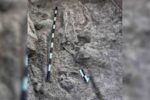
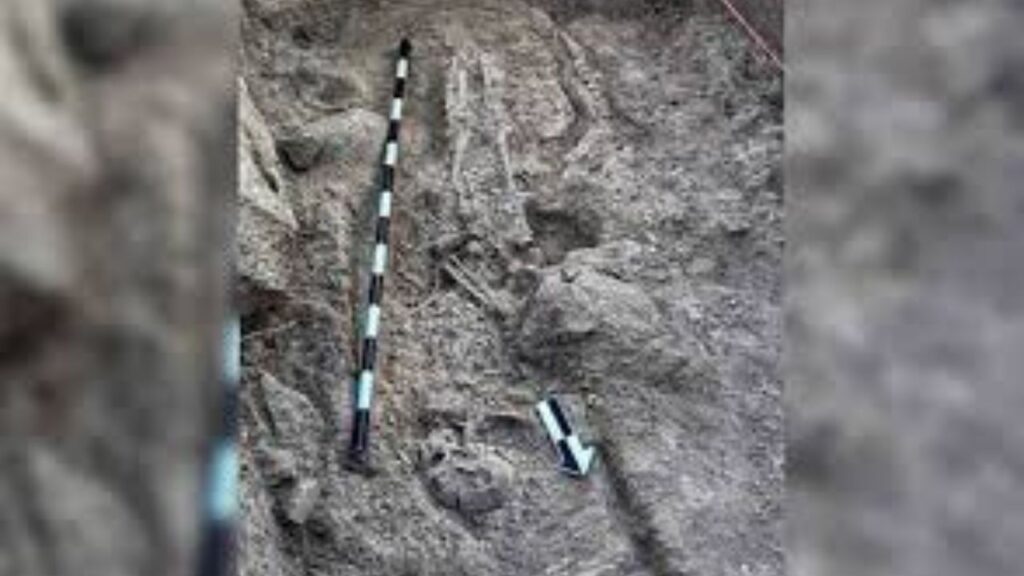
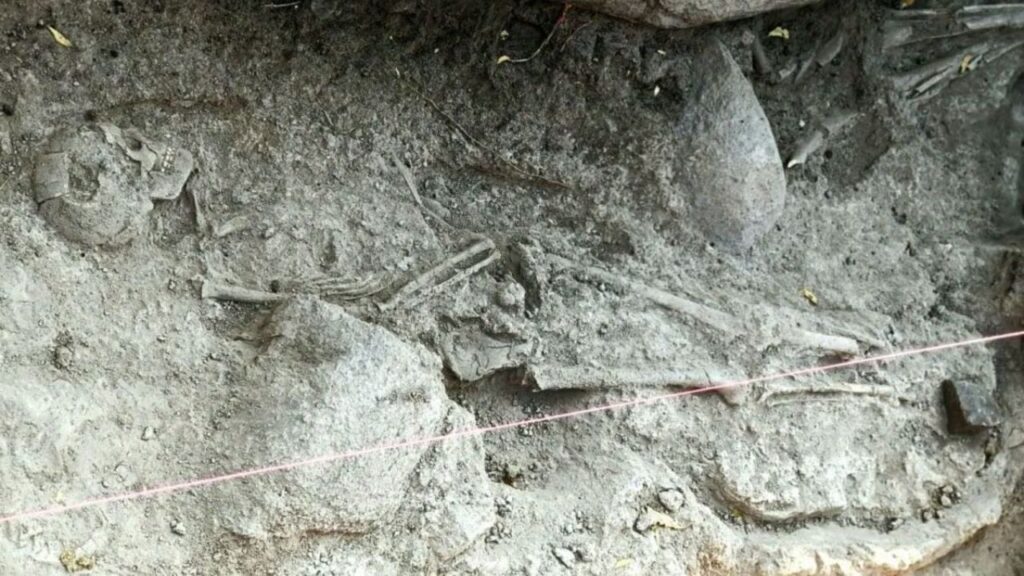
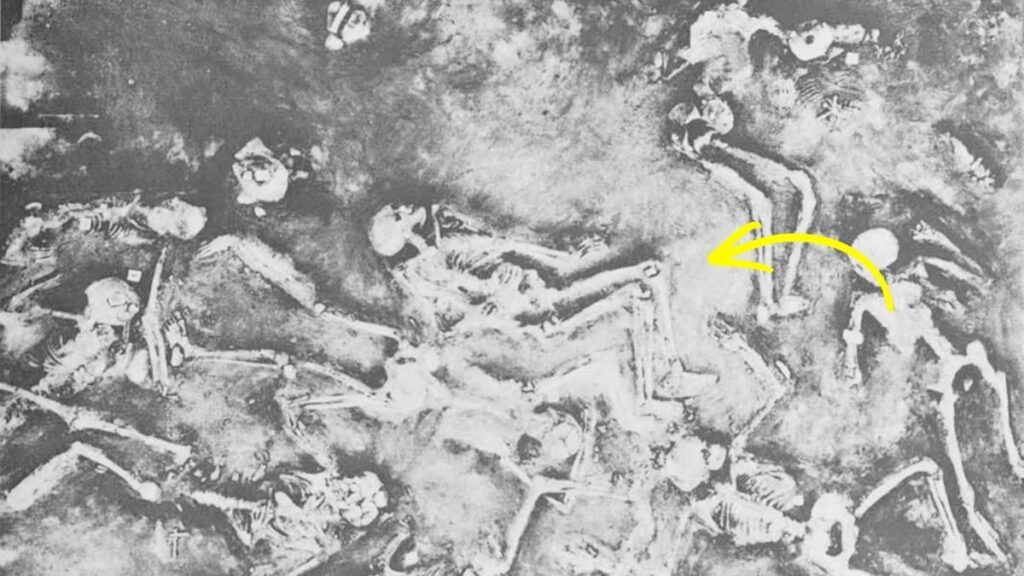
- The “Massacre” Skeletons: Approximately 37 human skeletons found in the city’s lower levels, some in contorted positions in streets and houses, are cited as proof of a sudden, violent end.
- The “Radioactive” Remains: A pervasive claim states that one skeleton was found to have radiation levels 50 times higher than normal.
- “Vitrified” Stone: Reports of areas where stone and brick appeared fused or melted, as if by extreme heat, are said to mirror the effects of a nuclear blast.
These elements, when woven together with poetic but ambiguous passages from ancient Indian texts like the Mahabharata—which describe weapons that sound eerily modern—create a seemingly plausible sci-fi mystery.
The Archaeological Reality: What Was Actually Found at Mohenjo-daro?
When we turn from speculation to the meticulous records of archaeologists who have excavated the site since the 1920s, a different picture emerges. The table below contrasts the popular claims with the documented evidence:
Skeletons prove a sudden, violent massacrenot from a single catastrophic eventcenturiesno signs of violenceA skeleton with 50x normal radiation was foundThis claim has no basis in any official excavation report or scientific paper from Mohenjo-daro.EgyptianVitrified bricks and stone prove intense heatlocalized, high-temperature firesno city-wide layer
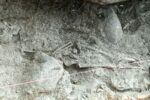
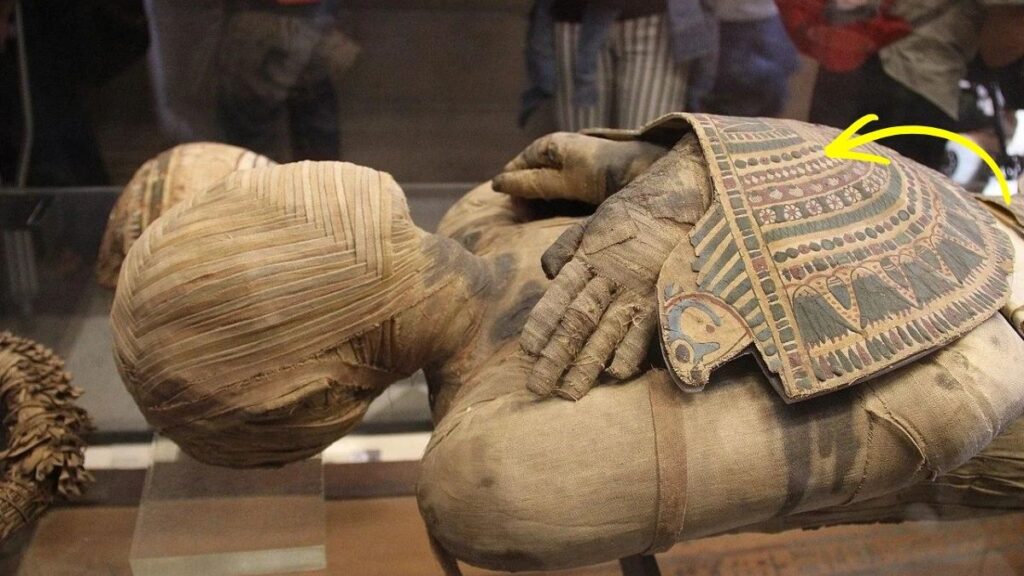
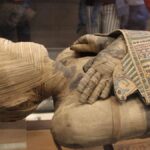
Claim from the “Ancient Nuclear Blast” TheoryWhat the Archaeological Evidence Actually Shows The skeletons were . They represent a small number of burials and final occupants scattered over the city’s late period and post-abandonment phase, spanning . Forensic analysis shows like weapon wounds. Their scattered state is more consistent with haphazard burial by a dwindling population or natural deposition after death. Scholars trace it to a chain of errors originating in a mid-20th century mistranslation or confusion with an unrelated study of an mummy. No credible archaeologist has ever reported detecting abnormal radioactivity at the site. Isolated finds of melted materials are easily explained by . Mohenjo-daro had pottery kilns, metalworking furnaces, and experienced ordinary structural fires. A concentrated kiln or house fire can vitrify clay bricks. There is of fused material that would indicate a cataclysmic thermal event.
The Verdict from the Ground: Renowned archaeologists like Dr. Michael Jansen, who has extensively studied Mohenjo-daro, have consistently dismissed the nuclear theory. The material evidence simply does not support a sudden, violent destruction. Instead, it points to a slow process of urban decay and eventual abandonment.
Origins of a Modern Myth: How the Story Was Fabricated
The radiation story is not an ancient mystery, but a modern one. Its creation can be mapped:
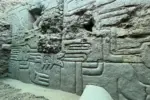
- The Seed (1960s): The idea appears to originate with Russian author Alexander Gorbovsky, who in his 1966 book mentioned an “ancient skeleton” in India with high radioactivity. He provided no source, and historians believe he likely conflated vague reports.
- Amplification (1970s-1990s): The theory was picked up and dramatically expanded by figures in the “ancient astronauts” and fringe history movements. Author David Childress placed the “radioactive skeleton” specifically at Mohenjo-daro, linking it to distorted interpretations of the Mahabharata. Erich von Däniken’s global reach gave the idea mass appeal.
- Media Sensationalism (2000s-Present): Television programs seeking dramatic content presented the theory as a legitimate “unsolved mystery,” often using selective evidence and presenting speculation as fact, without engaging with the overwhelming counter-evidence from mainstream archaeology.
The myth persists because it is a powerful story that captures the imagination, filling the silent gaps of a lost civilization with epic drama.
The Real Mystery: What Actually Happened to Mohenjo-daro?
While the atomic war theory is a dead end, the question of why this great city was abandoned remains a genuine and active area of scientific research. The consensus points not to a single cataclysm, but to a “perfect storm” of environmental and social pressures:
- Environmental Change: The most significant factor. Paleoclimate data shows a prolonged weakening of the monsoon system around 4,200 years ago. Simultaneously, the mighty Ghaggar-Hakra river system (potentially the Sarasvati of legend) began drying up or shifting course. This double blow crippled the agricultural base that sustained the urban population.
- Geological Shifts: Evidence suggests tectonic activity may have altered river paths, sometimes causing catastrophic flooding before leading to drought. Mohenjo-daro itself was rebuilt several times on rising mud-brick platforms, likely in response to floods.
- Social and Economic Collapse: As resources dwindled, the meticulously planned urban order broke down. People began building partitions in large public halls and living in abandoned structures. The complex trade networks with Mesopotamia faltered. The social contract that held the city together likely unraveled.
- A Gradual “De-Urbanization”: The end was not a massacre. It was a strategic dispersal. Faced with an unsustainable city, people gradually migrated eastward and southward to smaller, more manageable villages. The civilization didn’t vanish; its people adapted by abandoning a complex urban model that the changing environment could no longer support.
Conclusion: A Truth More Profound Than Fiction
The story of Mohenjo-daro is not one of a flashy, fictional apocalypse. It is a sobering and profoundly relevant case study in human resilience and vulnerability. It reveals how even the most advanced civilizations are intimately tied to their environment and can be undone by gradual climate change and resource depletion.

The real history—of a people who built a marvel of urban planning, thrived for centuries, and then made the collective, difficult decision to leave their grand city behind—is ultimately more meaningful than any science-fiction fantasy. It reminds us that the most enduring mysteries of the past are often solved not by invoking the extraordinary, but by carefully piecing together the ordinary, yet powerful, forces of nature and human society. The silence of Mohenjo-daro’s streets speaks not of a sudden bang, but of a long, slow, and deliberate farewell.